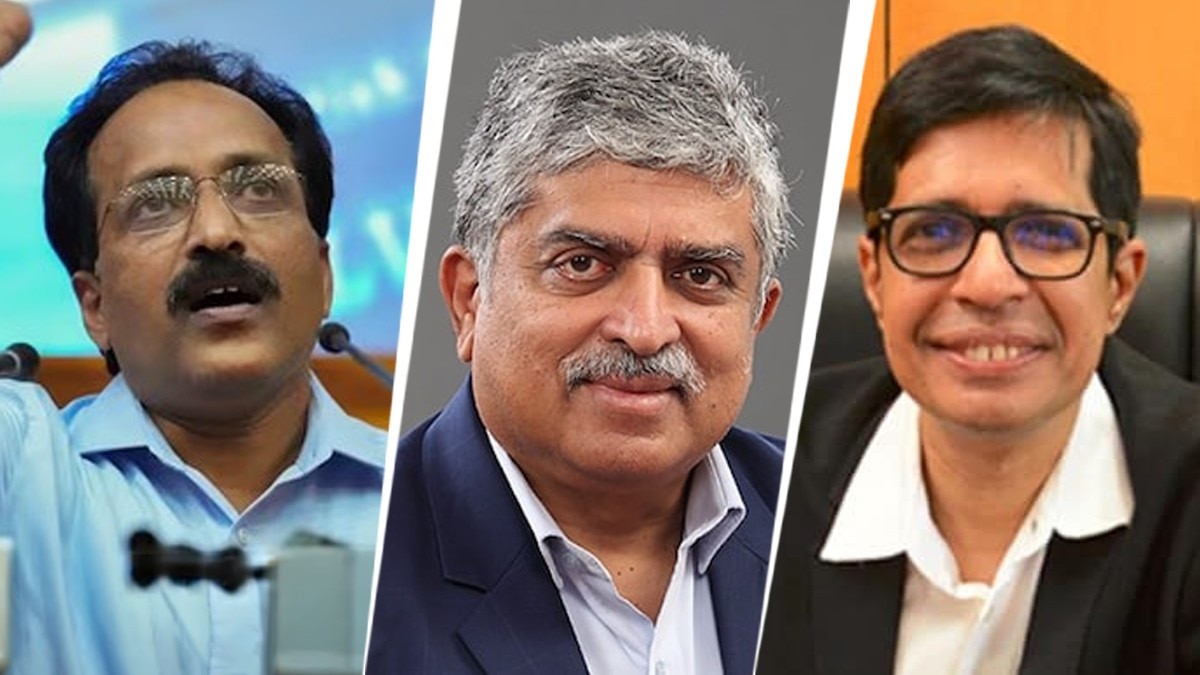
Prime Minister Narendra Modi has appointed a rocket scientist, the architect of Aadhaar and an IIT director to a new task force. Their combined expertise aims to revamp India's exam ecosystem through technology, security and governance reforms.
Key Takeaways
- Rocket scientist, Aadhaar architect and IIT director join the exam‑reform task force
- Strategy targets technology, security and administrative vulnerabilities simultaneously
- Experience in digital identity and mission reliability will be applied to exam processes
Composition of the Panel
Former ISRO chief S. Somanath, Aadhaar mastermind Nandan Nilekani and IIT Madras director V. Kamakoti form a trio that reflects a shift from treating paper leaks as isolated scandals to viewing them as systemic challenges.
The Digital Trust Deficit
Nilekani’s work on UIDAI has secured authentication for over a billion citizens. That same scalability and data‑integrity expertise is now being leveraged to authenticate millions of exam candidates and deliver transparent results.
Mission‑Critical Reliability
Somanath’s tenure at ISRO involved flawless coordination of thousands of subsystems—an exact parallel to coordinating exam centres, logistics and timing across the nation.
Redesigning Assessment
Kamakoti, a computer‑science veteran, has already advised the Ministry on CBSE’s On‑Screen Marking glitches. He argues that technology must go beyond leak‑proofing to make scoring transparent and accountable.
"Treating exam administration as an engineering problem, not just an administrative task, is the key to lasting reform," says a senior education analyst.
Why This Matters
BozokMedia analysis shows that bringing together space, digital‑identity and premier academic expertise signals a paradigm shift—from reactive policing to proactive system design—ensuring long‑term credibility of India’s competitive exams.
Frequently Asked Questions
- What is the primary goal of the task force? To eliminate paper leaks, strengthen logistics, and embed transparency through technology and clear accountability.
- Will the reforms affect all competitive exams? Initially the focus is on major national exams such as NEET, JEE and UPSC, but the framework could expand to other assessments.