Prime Minister Andy Burnham has announced major educational reforms in England, allowing secondary students to study technical subjects like AI and manufacturing alongside core academics to boost employability.
Key Takeaways
- Technical subjects including AI and manufacturing will be available from Year 10.
- The reform aims to bridge the gap between education and local industry needs.
- The initiative targets the rising number of 'NEET' youth (Not in Education, Employment, or Training).
- Implementation in specific regions is expected by 2028.
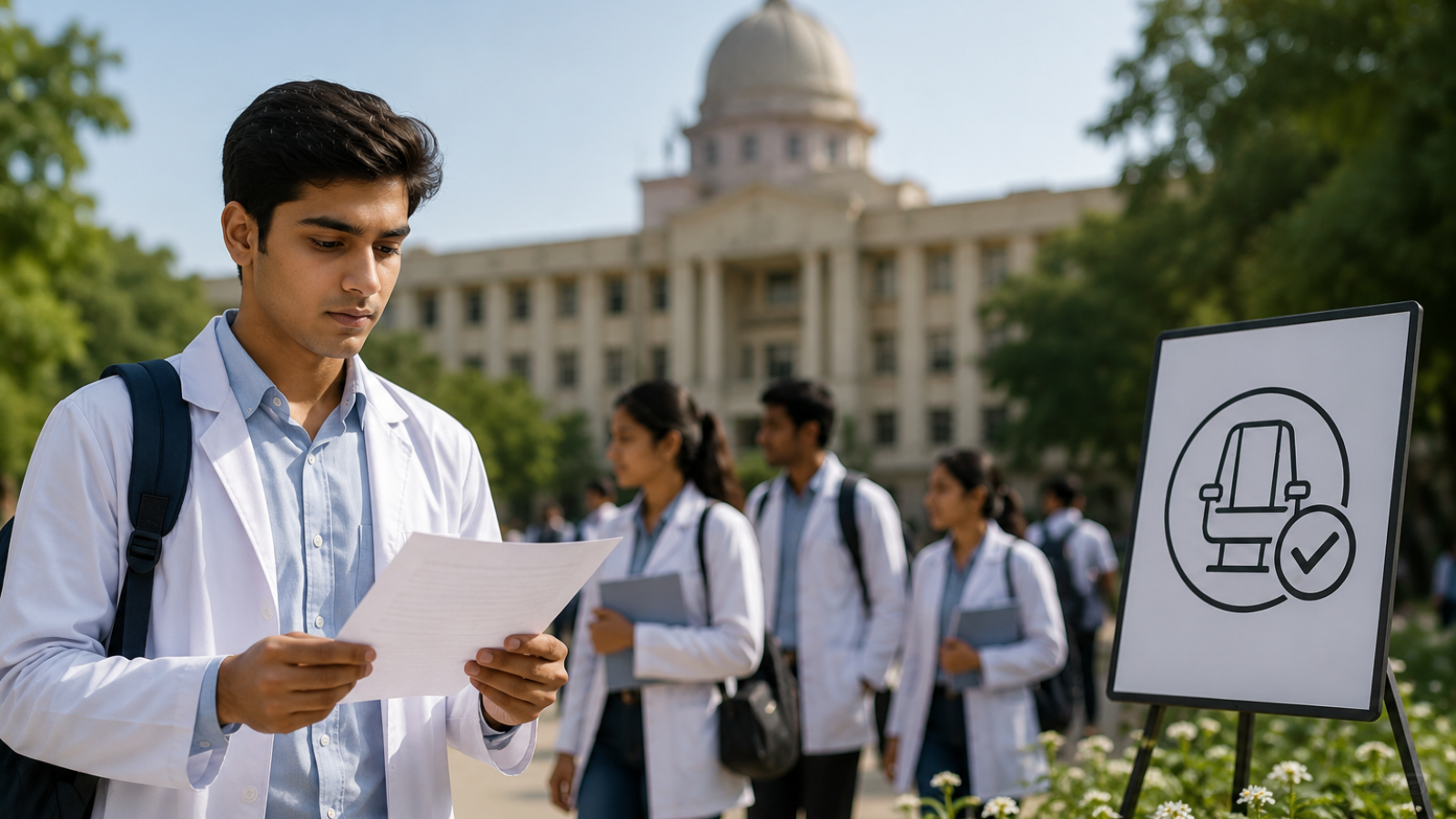
In a landmark move to overhaul the secondary education system, Prime Minister Andy Burnham has announced that students in England will soon have the opportunity to study technical subjects such as Artificial Intelligence (AI) and manufacturing. Starting from Year 10, these courses will be integrated with core academic learning to provide a more diverse educational pathway.
Why This Matters
BozokMedia analysis shows that this policy is a direct response to a critical socio-economic challenge: the rising number of young people in the UK who are not in education, employment, or training (NEET). With over one million young people currently falling into this category—the highest in over a decade—the government is shifting focus from a purely university-centric model to a more balanced vocational approach.
"We've had a system built for too long around the university route... they need an education system that offers a path to all young people." - Andy Burnham
The proposed curriculum will allow students to maintain their studies in essential subjects like Maths, English, and Science while gaining specialized technical skills. These courses are intended to be linked directly to local industries, ensuring that students gain practical work experience and connections with employers before they even graduate.
Historical Background
The move toward vocational parity has been gaining momentum in the UK. In 2020, T-levels were introduced as a technical alternative to traditional A-Levels, covering sectors like construction and health. The government is now expanding this vision with the potential introduction of V-levels, which would offer even more flexibility for students to mix and match academic and vocational subjects.
Frequently Asked Questions
1. Will this replace traditional academic subjects?
No, students will continue to study core subjects like English and Maths; technical subjects will be offered as additional options.
2. When will these changes take effect?
The government expects these new pathways to be operational in certain areas by 2028.