Experts propose a radical overhaul of the NEET examination system using advanced psychometric modeling and a two-tier testing architecture to prevent leaks.
Key Takeaways
- Implementation of the Radhakrishnan Committee's governance model.
- Integration of Item Response Theory (IRT) for dynamic question generation.
- Shift to an on-demand, two-tier testing architecture.
- Phased rollout with free digital simulators for equitable access.
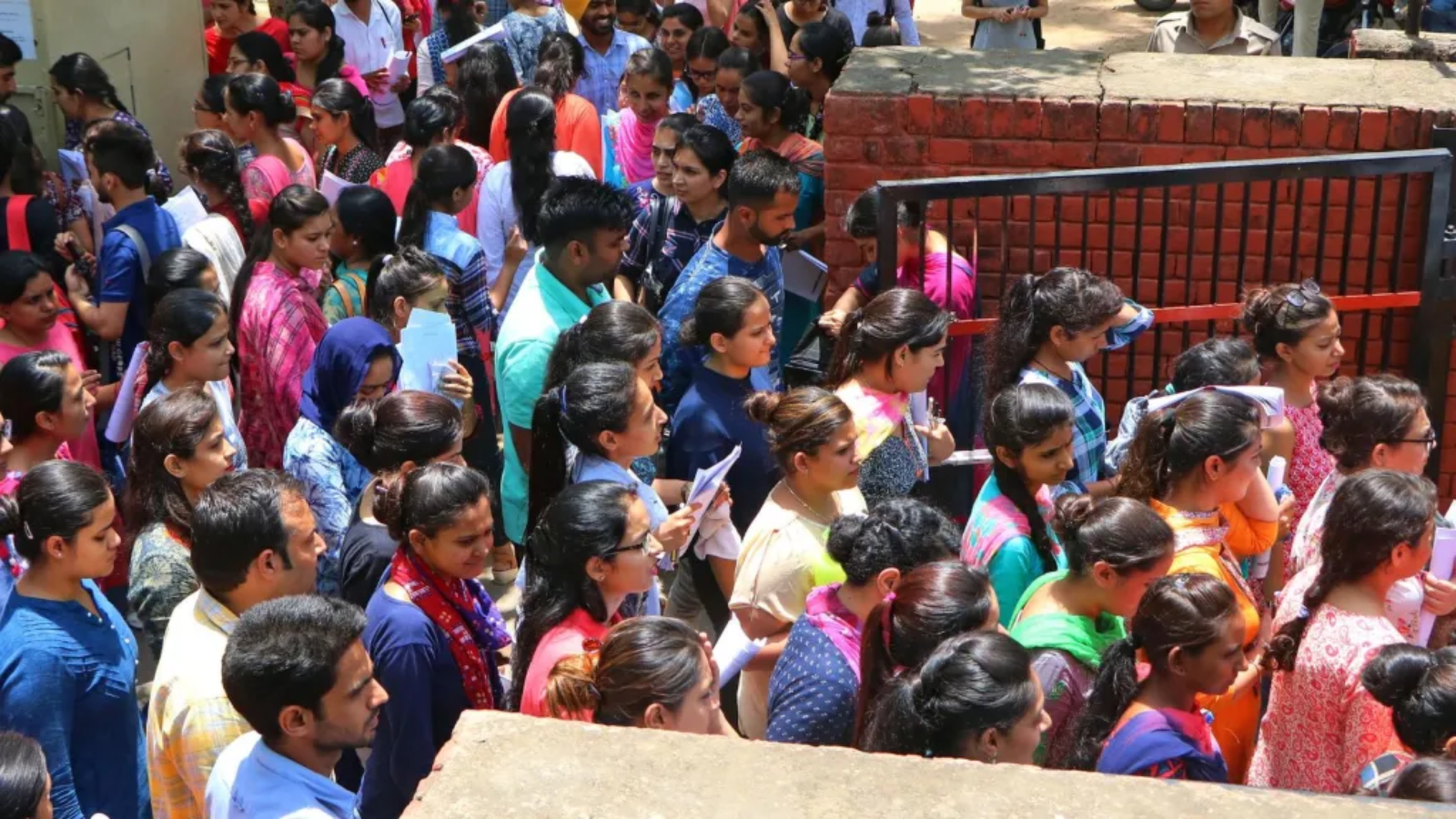
Every year, India conducts the National Eligibility-cum-Entrance Test (NEET-UG), one of the world's most high-stakes administrative challenges. With over 2.4 million candidates vying for approximately 120,000 medical seats, the candidate-to-seat ratio exceeds 20:1. This immense pressure has created a multi-billion-dollar coaching industry and a vulnerable, hyper-centralized paper supply chain prone to catastrophic leaks.
The Path to Reform: Governance and Infrastructure
The blueprint for systemic change was laid out by the high-level committee led by former ISRO chief K. Radhakrishnan. The committee emphasized a structural overhaul of the National Testing Agency (NTA), suggesting encrypted digital transmission and biometric 'DigiExam' authentication. However, structural changes alone are insufficient without addressing the core vulnerability: the reliance on static, physical question papers.
Why This Matters
BozokMedia analysis shows that the current centralized model suffers from a 'single point of failure.' When a single physical paper is distributed, the risk of interception is high. Transitioning to a dynamic, computer-based model is no longer an option but a necessity to restore public confidence in medical admissions.
By moving from static papers to an on-demand, statistically calibrated question bank, the very concept of a 'leaked paper' becomes obsolete.
The proposed solution involves creating a decentralized network of vetted subject-matter experts to populate a secure repository. Using Item Response Theory (IRT)—the same gold standard used by the GRE and GMAT—the system can generate unique, randomized exam forms for every single candidate. This ensures that no two students sit for the exact same paper, making physical leaks practically impossible.
A Two-Tiered, On-Demand Approach
To alleviate the psychological and administrative burden, experts suggest a two-tier architecture. Candidates could take a preliminary screening exam at certified centers throughout the year. Only those meeting a specific performance benchmark would advance to the final selection phase. This distributes the infrastructure load and reduces the artificial scarcity that fuels predatory coaching hubs.
Frequently Asked Questions
1. How will rural students cope with a digital exam?
The plan includes providing free, unlimited access to official computer-based simulators through public schools and community kiosks to bridge the digital divide.
2. Will this make the exam more difficult?
The difficulty distribution remains the same; only the delivery mechanism changes to ensure fairness and security.