The resignation of the Education Minister marks a victory for student activists, but the underlying crisis of skill gaps, coaching monopolies, and job scarcity remains unaddressed.
Key Takeaways
- Union Education Minister Dharmendra Pradhan resigned following student-led protests.
- The movement highlighted critical failures like the 2026 NEET-UG paper leak.
- While enrollment is up, the quality of higher education and job readiness remains low.
- A massive $17 billion coaching industry thrives on systemic inadequacies.
The resignation of Union Education Minister Dharmendra Pradhan on July 25, 2026, marks a rare victory for a generation of students who felt unheard. Driven by the satirical yet potent Cockroach Janta Party (CJP) movement at Jantar Mantar, the protest successfully compelled a sitting Cabinet minister to step down. However, while the resignation addresses immediate triggers like the NEET-UG paper leak and CBSE irregularities, it fails to touch the deep-seated structural pressures that make the system so volatile.
The Degree vs. Skill Paradox
On paper, India’s higher education is thriving. According to the AISHE survey, enrollment has surged by over 31% since 2014. However, there is a massive disconnect between obtaining a credential and acquiring a skill. The system has become highly efficient at issuing certificates but remains profoundly poor at producing the actual expertise those certificates are supposed to represent. Families are mortgaging their futures for degrees that often fail to translate into stable employment.
Why This Matters: BozokMedia Analysis
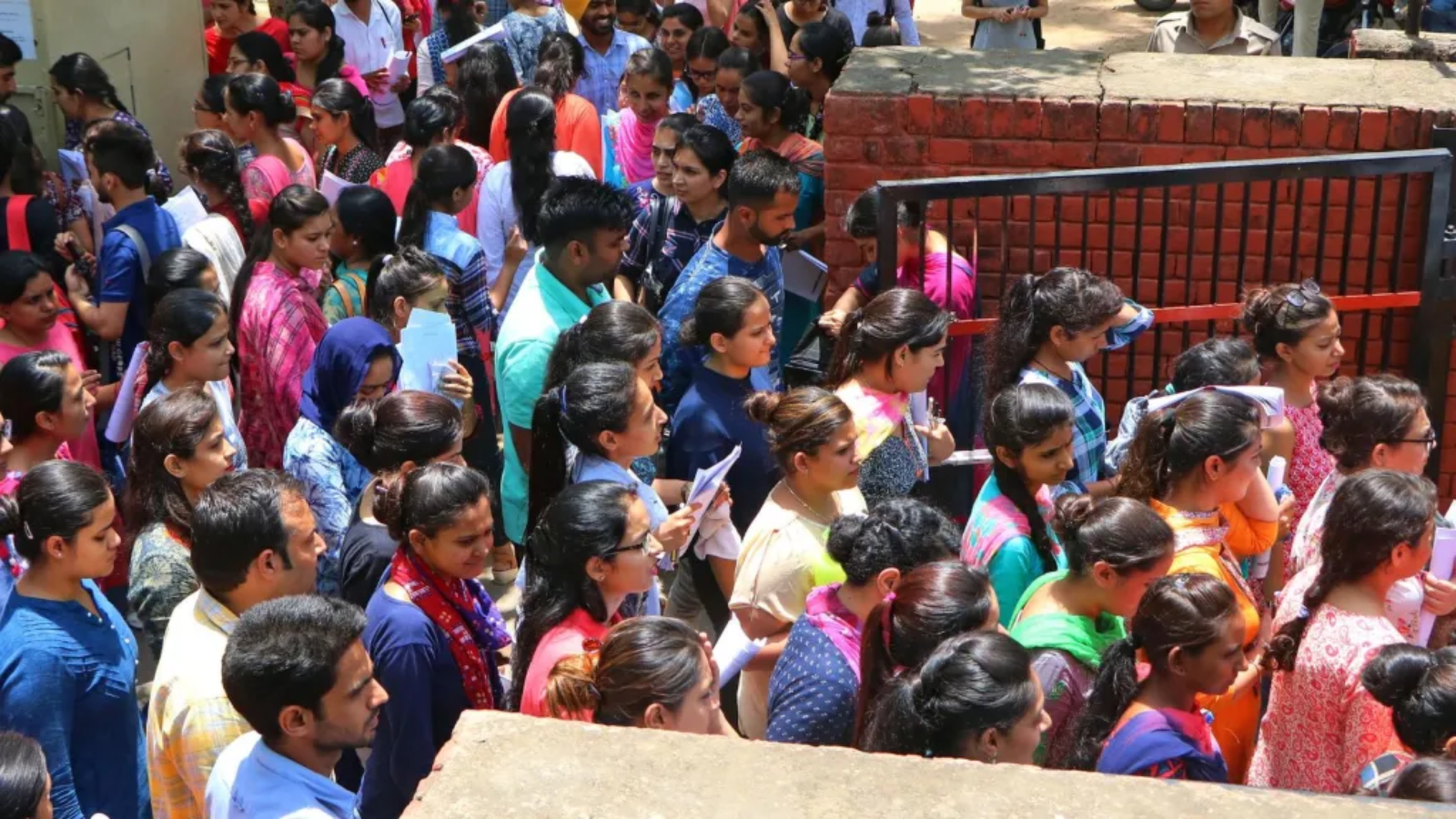
BozokMedia analysis shows that the crisis is not merely about a lack of jobs, but an extreme imbalance in the supply-demand funnel. While millions apply for low-level government roles, the supply of high-quality seats in institutions like IITs and IIMs has not kept pace with the exploding population. This has created a 'rationing by queue' economy, where success is often determined by one's ability to afford the migration to educational hubs rather than raw talent.
The Indian education system is currently functioning more as a credential-generating machine than a skill-building institution.
This imbalance has birthed a massive, predatory coaching industry. Cities like Kota and hubs like Mukherjee Nagar have turned student anxiety into a multi-billion dollar business. This is essentially the state 'outsourcing' its responsibility to the private sector, which is projected to triple in size by the 2030s.
Frequently Asked Questions
1. What triggered the recent student protests at Jantar Mantar?
The protests were triggered by the 2026 NEET-UG paper leak and irregularities in CBSE marking processes.
2. Why is there a regional gap in education access?
Due to the concentration of quality institutions in specific cities, students from states like Bihar face higher costs and hurdles to access quality education.