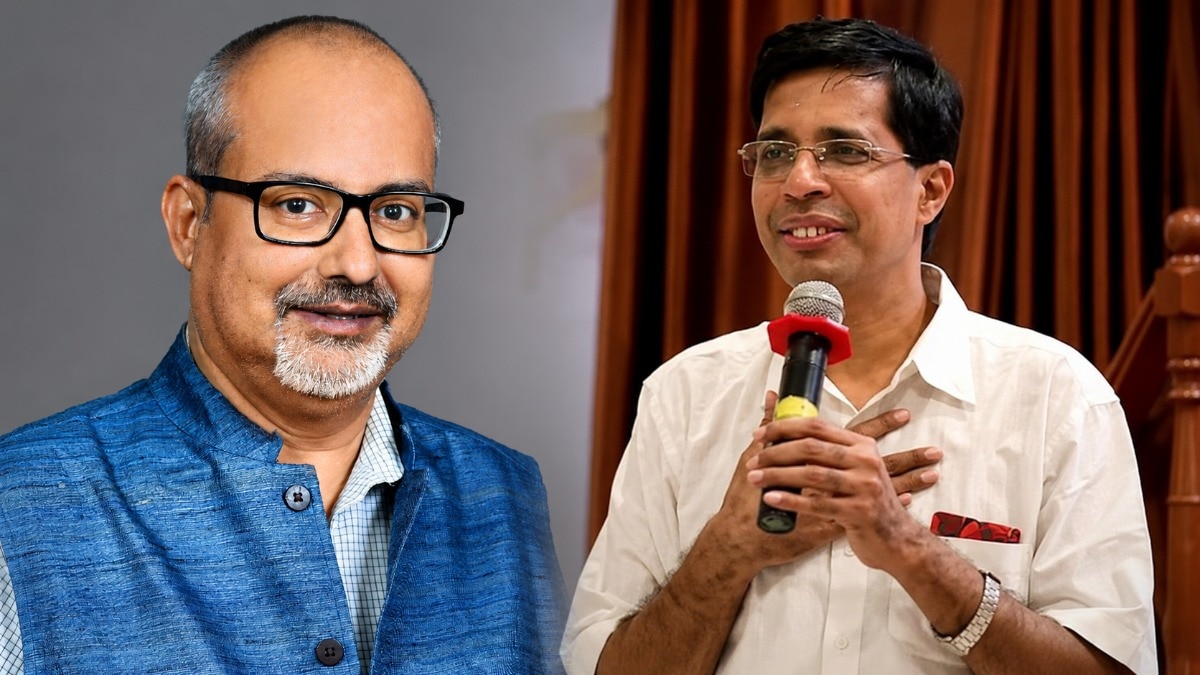
IIIT Hyderabad’s director Prof. Sandeep Shukla hailed IIT Madras Director Prof. V. Kamakoti’s Shakti processor as a prime example of long‑term academic research reaching real‑world deployment. The project marks a decisive step toward India’s semiconductor self‑reliance.
Key Takeaways
- Shakti processor development began in the early 2000s
- Open‑source model spurred startup ecosystem
- Institution‑building created a new generation of Indian chip designers
Introduction
IIIT Hyderabad director Prof. Sandeep K. Shukla recently described the work of IIT Madras director Prof. V. Kamakoti as a "case study in deployment." The Shakti chip, built on a RISC‑V architecture, embodies India’s push for home‑grown processors.
Historical Background
The Shakti project traces its roots to the early 2000s when Prof. Kamakoti partnered with Bluespec Inc. to draft the micro‑architectural specifications in Bluespec language. The first tape‑out, fabricated at 180 nm, was modest by today’s standards but vital for establishing an indigenous silicon base.
Development of the Shakti Chip
According to Prof. Shukla, Shakti is more than a successful processor; it is an open‑source platform that enabled startups like Mindgrove Technologies—founded by Shakti alumni—to commercialize derivative designs. This openness transformed a single‑lab effort into a national ecosystem.
Why This Matters
BozokMedia analysis shows that initiatives like Shakti not only advance technology but also reinforce national security, inform policy, and bridge industry‑academia gaps, making them cornerstone projects for India’s digital future.
"The Shakti project exemplifies how academic persistence can reshape a nation's semiconductor landscape," says Dr. Ananya Rao, senior analyst at BozokMedia.
Frequently Asked Questions
What is the primary goal of the Shakti chip?
It aims to accelerate indigenous processor development in India and foster an open‑source hardware ecosystem.
Is there commercial adoption of Shakti designs?
Yes, several startups and research labs are building products based on Shakti’s open‑source IP.

