The 13th BRICS Education Ministers' meeting in Bhubaneswar highlighted five priority areas—from early childhood education to mutual qualification recognition—aimed at building inclusive, future‑ready education systems across member nations.
Key Takeaways
- Early Childhood Care and Education (ECCE) receives major focus
- Skill development and TVET are central agenda items
- Mutual recognition of qualifications to boost academic mobility
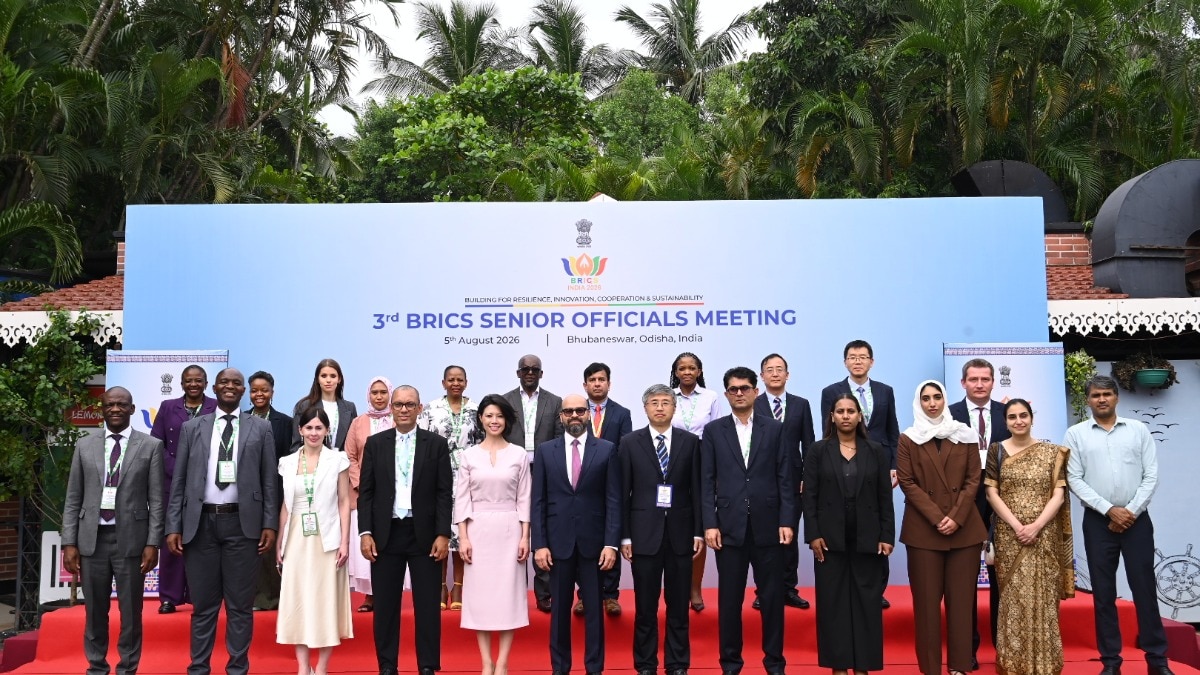
The Ministry of Education convened the 3rd BRICS Education Senior Officials’ Meeting in Bhubaneswar on August 7, bringing together senior officials and delegates from all BRICS nations. The session preceded the ministerial summit, finalising the draft BRICS Education Ministers’ Declaration.
First on the agenda was Early Childhood Care and Education (ECCE). Member states pledged stronger cooperation and sharing of best practices to improve early‑year learning and care, recognizing its long‑term impact on human development.
Skill development and Technical and Vocational Education and Training (TVET) formed the second pillar. Countries agreed to expand capacity‑building programmes and align curricula with evolving labour‑market needs.
The third priority emphasized deeper research and innovation collaboration, encouraging institutional partnerships, knowledge exchange, and joint research initiatives across the BRICS bloc.
Fourth, mutual recognition of qualifications was discussed as a means to simplify academic mobility, allowing degrees earned in one BRICS nation to be readily accepted in another.
Why This Matters
BozokMedia analysis shows that these priorities not only raise educational standards among BRICS members but also create a new cooperative framework that can empower students and professionals worldwide.
"The BRICS education agenda can spark a transformative leap in quality for developing nations," says education expert Dr. Ananya Patel.
Frequently Asked Questions
Q1: Does the new declaration prioritize any specific education sector?
A1: Yes, early childhood education, skill development, and qualification recognition are highlighted as top priorities.
Q2: How will student exchange be affected by the outcomes of this meeting?
A2: Mutual recognition will ease credential validation, facilitating greater student mobility and cross‑border academic cooperation.