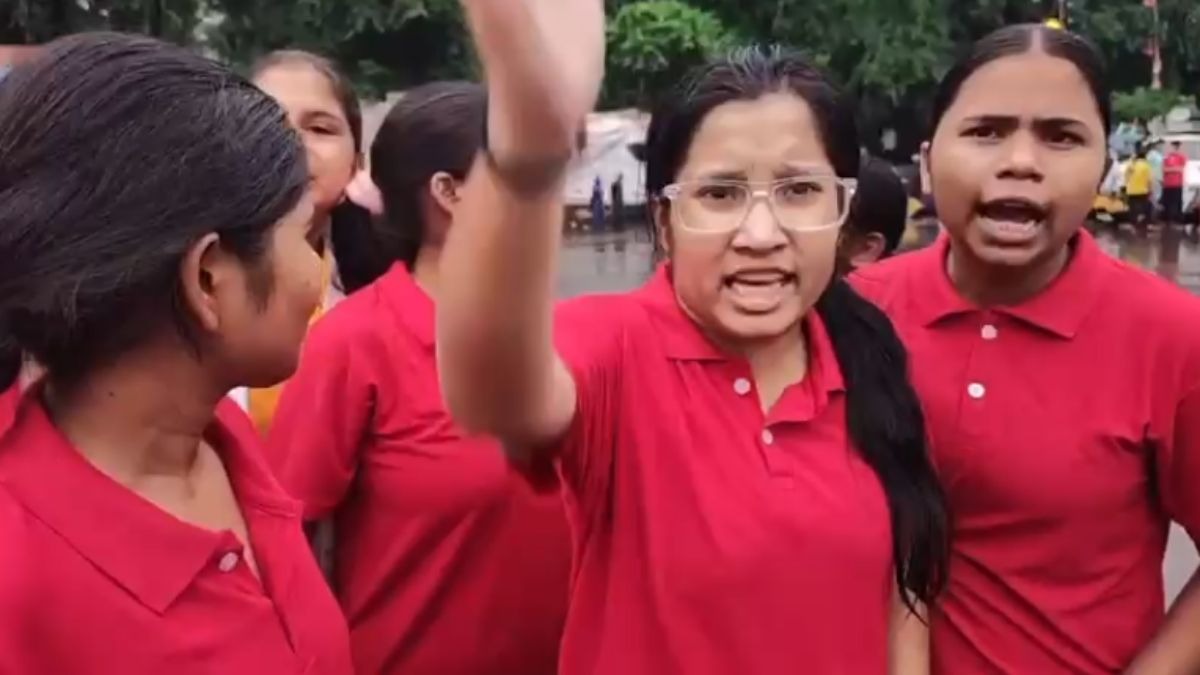
Student protests over alleged exam irregularities in Jharkhand have entered their 19th day, with demonstrators refusing to back down despite government promises. The movement demands transparency, cancellations, and an independent probe.
Key Takeaways
- Protests have reached day 19
- Students demand transparency and independent investigation
- Government pledged to cancel the 14th JPSC exam
The agitation by job aspirants over alleged irregularities in Jharkhand's recruitment examinations entered its 19th day on Wednesday, with protesters vowing to intensify their stir until their demands are met. Under the banner of the JPSC‑JSSC Reforms Manch, students have refused to call off the agitation despite assurances from the Hemant Soren government.
Key demands include greater transparency in examinations conducted by the Jharkhand Public Service Commission (JPSC) and Jharkhand Staff Selection Commission (JSSC), cancellation of several tests, and an independent probe by the CBI or a panel of retired high‑court judges from outside the state.
Chief Minister Hemant Soren has pledged to cancel the 14th JPSC examination, yet opposition parties argue that this is a superficial concession. The BJP called a statewide bandh, while the ABVP organized a separate march to the assembly. Police responded with water cannons and tear‑gas, injuring both protesters and officers.Health impacts are mounting: six demonstrators are on an indefinite hunger strike, two of whom have been admitted to Ranchi Sadar Hospital. Veteran protest leader Devendra Nath Mahto, fasting for about ten days, remains in the emergency ward, while another striker, Rahul Kranti, was hospitalized after his condition deteriorated.
The sixth round of talks between the government and student representatives ended without a breakthrough, and the movement announced plans for a fresh, more aggressive programme in the coming days.
Historical Background
Jharkhand has witnessed similar exam‑related unrest in recent years, notably the 2022 protests that followed the cancellation of a JPSC examination. Those events highlighted systemic flaws and spurred calls for comprehensive reforms in the state's recruitment processes.
Why This Matters
BozokMedia analysis shows that large‑scale student movements not only challenge the credibility of recruitment systems but also pose risks to the state’s socio‑economic stability. Without transparent reforms, the likelihood of recurring unrest remains high.
"Lack of transparency in exam processes fuels frustration among youth, leading to broader social instability," says Dr. Anjali Singh, political analyst.
Frequently Asked Questions
Question 1: Has the government cancelled all existing exams?
Answer: No, only the 14th JPSC exam has been cancelled; the status of other examinations remains pending.
Question 2: Have the students proposed any alternative solutions?
Answer: Yes, they are seeking an independent investigation and the introduction of online monitoring for future examinations.