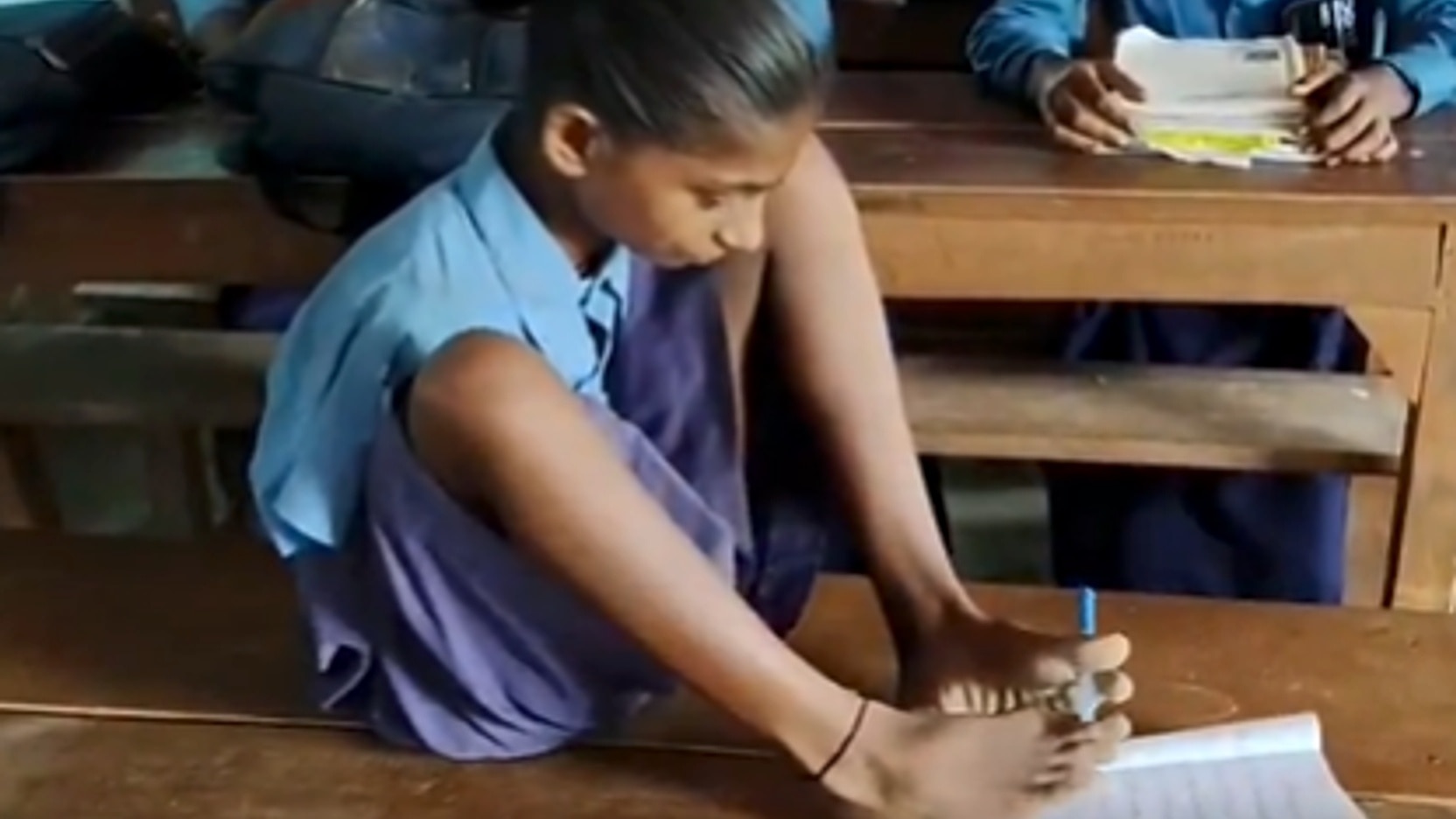
A parliamentary committee has warned that almost 73 % of students leave school before finishing higher secondary. The steep decline is linked to the scarcity of secondary and higher secondary institutions compared to primary schools.
Key Takeaways
- Around 73% of students drop out before completing higher secondary.
- Secondary and higher secondary schools are vastly fewer than primary schools.
- Infrastructure for children with special needs is severely lacking.
Parliamentary Panel’s Alarm
The Committee on Estimates (2026‑27) highlighted a “drastic decline” in both schools and student enrollment as education levels rise. Of the 10,92,671 government‑run or aided schools, only 90,866 operate at the higher secondary level.
Imbalance Across Education Levels
According to UDISE 2024‑25, there are 9,11,032 primary schools, 4,12,805 upper‑primary schools, 1,61,808 secondary schools, and merely 90,866 higher secondary schools nationwide. Enrollment drops from 6,18,45,033 students in primary grades to 1,64,17,949 in higher secondary.
Why This Matters
BozokMedia analysis shows that the declining availability of secondary and higher secondary schools directly fuels the massive dropout rate, jeopardizing India’s human capital and long‑term economic growth.
“Without expanding secondary and higher secondary infrastructure, this dropout trend will only accelerate,” says Dr. Ajay Singh, education policy expert.
Historical Background
India has made impressive strides in primary education over the past two decades, yet investment at secondary levels remains uneven. The National Education Policy 2020 emphasizes a “Zero Rejection” and inclusive education, but gaps in physical infrastructure persist.
Frequently Asked Questions
Question 1: Will increasing the number of secondary and higher secondary schools reduce dropout rates?
Answer: Experts believe that proximity and accessible infrastructure are critical for retaining students.
Question 2: What initiatives exist for children with special needs?
Answer: The Samagra Shiksha scheme allocates funds for ramps, handrails, and dedicated toilets, though utilization remains low.