Sree Muthukumaraswamy College in Kodungaiyur has permitted students to attend classes following allegations of barring them due to unpaid fees, while also extending the payment deadline.
Key Takeaways
- SMKC has allowed students to resume attending classes.
- The deadline for fee payment has been extended to accommodate students.
- Fees have increased by ₹1,500 for 2nd-year and ₹2,000 for 3rd-year students per semester.
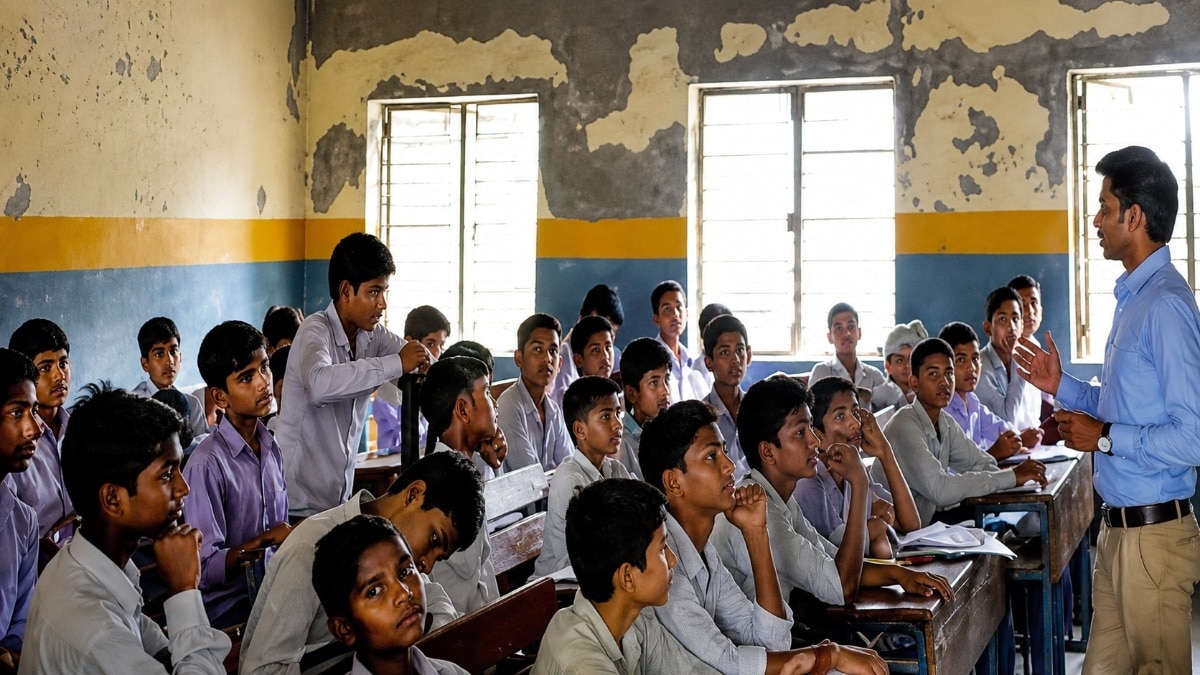
In a significant development, Sree Muthukumaraswamy College (SMKC) in Kodungaiyur has permitted students to attend their regular classes. This move comes after widespread reports that students were allegedly being barred from entering classrooms due to the non-payment of academic fees.
According to a press release issued by the college management on Thursday, August 13, 2026, the institution has granted students additional time to clear their dues. The college also clarified the new fee structure, noting an increase of ₹1,500 for second-year students and ₹2,000 for third-year students per semester compared to the previous academic year.
Why This Matters
BozokMedia analysis shows that sudden fee hikes coupled with restrictive attendance policies can create significant friction between educational institutions and their student bodies. Such incidents often highlight the struggle for affordable education in the private sector and the pressure placed on middle-class families.
Educational institutions must prioritize student welfare and academic continuity over immediate financial recovery.
The controversy surfaced following reports on August 12, which alleged that students were being denied access to lectures unless they paid fees upfront—a departure from previous institutional practices. The management responded by stating that notices regarding the fee hike had been issued as early as April 2026.
Historical Background
The tension between private college management and students over fee hikes is a recurring theme in Indian higher education. Often, these disputes lead to legal interventions or regulatory oversight to ensure that students' right to education is not compromised by administrative or financial exigencies.
Frequently Asked Questions
Question 1: Why were students initially barred from classes?
Answer: Students were allegedly prevented from attending classes due to delays in paying the newly increased semester fees.
Question 2: How much has the fee increased?
Answer: The increase is ₹1,500 for second-year students and ₹2,000 for third-year students per semester.