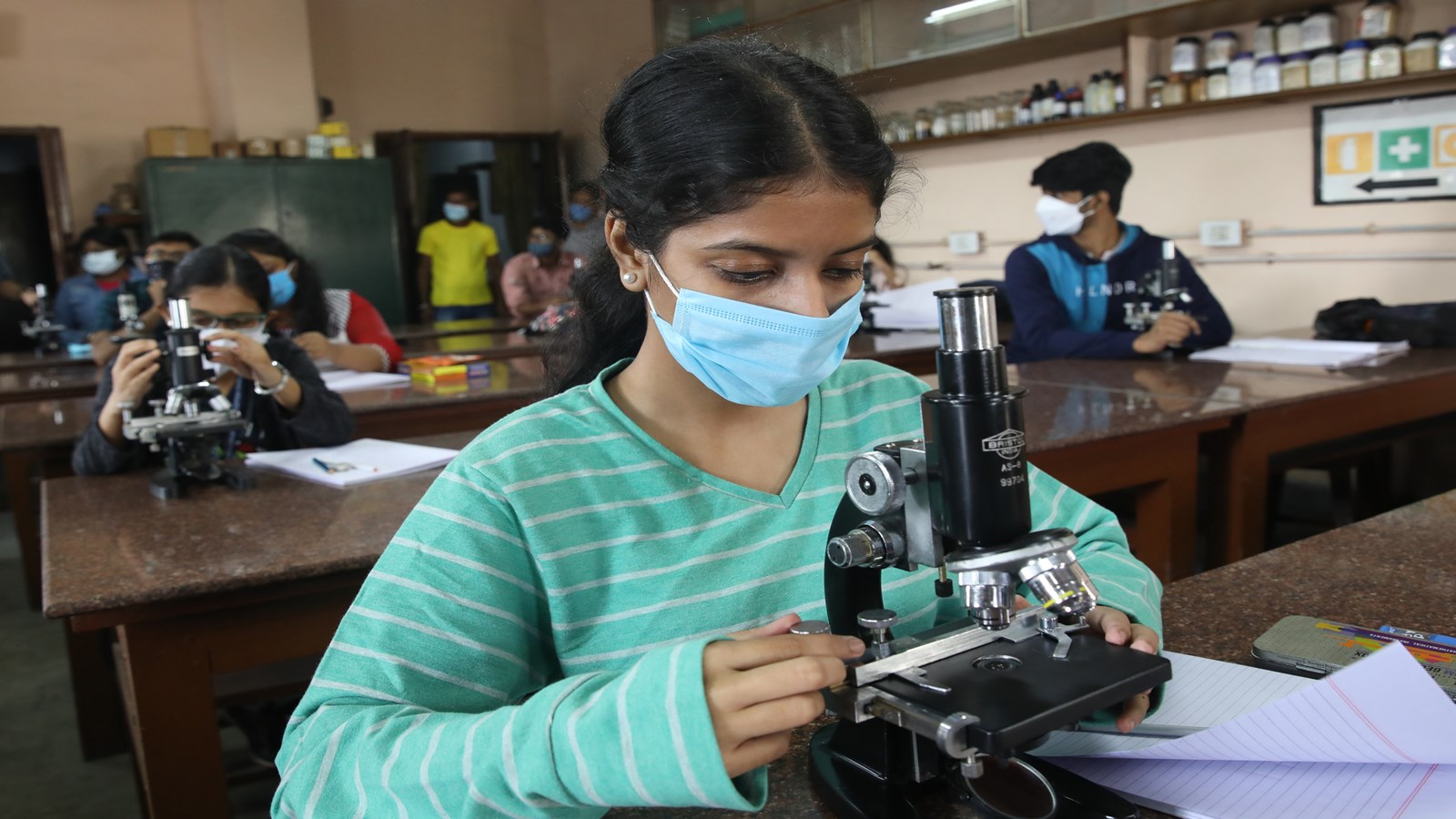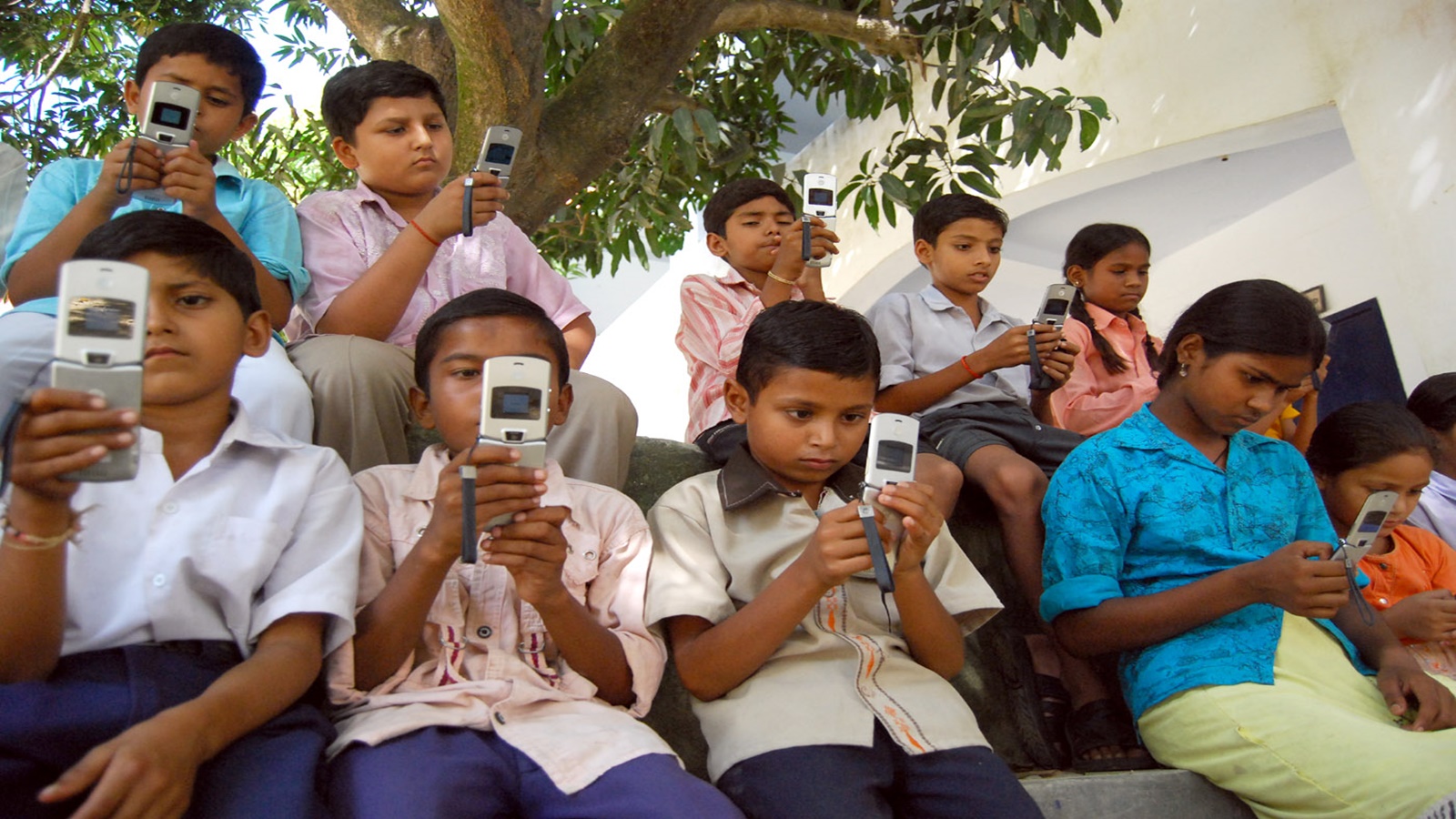
The Gautam Buddh Nagar administration has issued strict guidelines for schools in Noida and Greater Noida, limiting daily screen time to prevent health issues in students.
Key Takeaways
- Primary students capped at 30 mins; Upper-primary at 60 mins of screen time.
- Smart boards to be used for conceptual teaching, not continuous textbook display.
- Mandatory quarterly eye examinations for all students.
- Emphasis on 'Digital Detox' and traditional writing methods.
In a decisive move to protect student health, the Gautam Buddh Nagar administration has directed all schools in Noida and Greater Noida to strictly limit the use of digital and smart boards. This directive follows numerous complaints from parent associations regarding children spending up to five hours daily staring at digital screens during school hours.
New Guidelines for Digital Usage
The administration has stipulated that smart boards should serve as a supplementary tool rather than a primary replacement for traditional teaching. Under the new rules, primary students are allowed a maximum of 30 minutes of screen time, while upper-primary students are capped at 60 minutes. For writing exercises and interactive sessions, schools are mandated to use traditional blackboards, whiteboards, or greenboards.
Addressing Health Risks
Prolonged exposure to digital screens is linked to serious issues including eye strain, myopia (short-sightedness), headaches, and poor concentration. To mitigate these risks, the administration has recommended the 20-20-20 rule: every 20 minutes, students should look at an object 20 feet away for at least 20 seconds. Furthermore, schools must ensure appropriate classroom lighting and maintain a safe distance between students and screens.
Why This Matters
BozokMedia analysis shows that while digitalization is inevitable in modern pedagogy, the lack of regulation can lead to long-term physiological and behavioral setbacks in developing children. This administrative intervention seeks to rebalance technology with physical and cognitive development.
The integration of technology in classrooms must be purposeful and balanced to ensure it enhances learning without compromising physical well-being.
Frequently Asked Questions
1. Which types of schools must follow these new guidelines?
The directives apply to all government, aided, and private schools within the Gautam Buddh Nagar district.
2. How will the administration monitor compliance?
Designated magistrates and nodal officers will oversee the implementation and submit reports through the District Inspector of Schools.