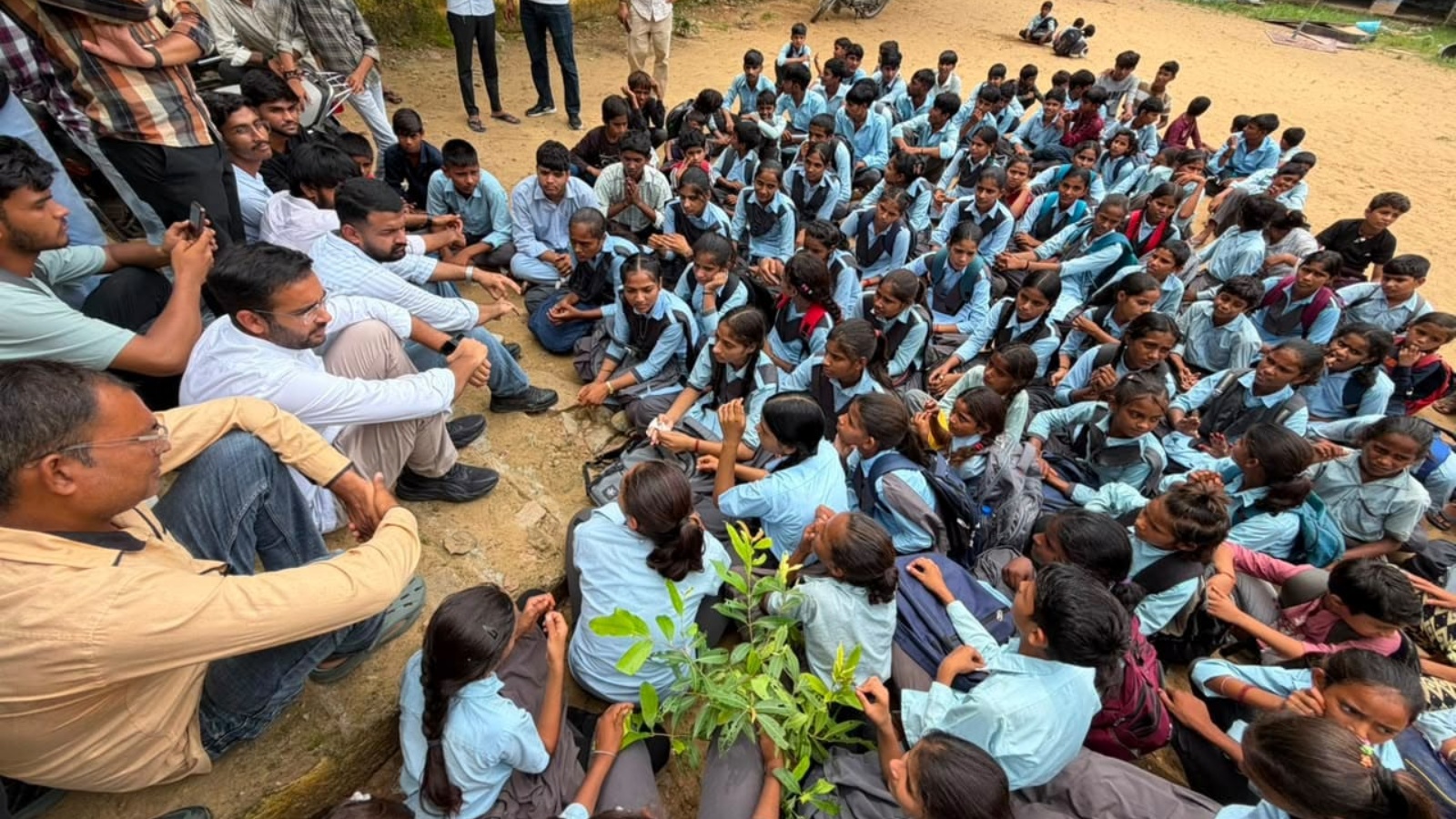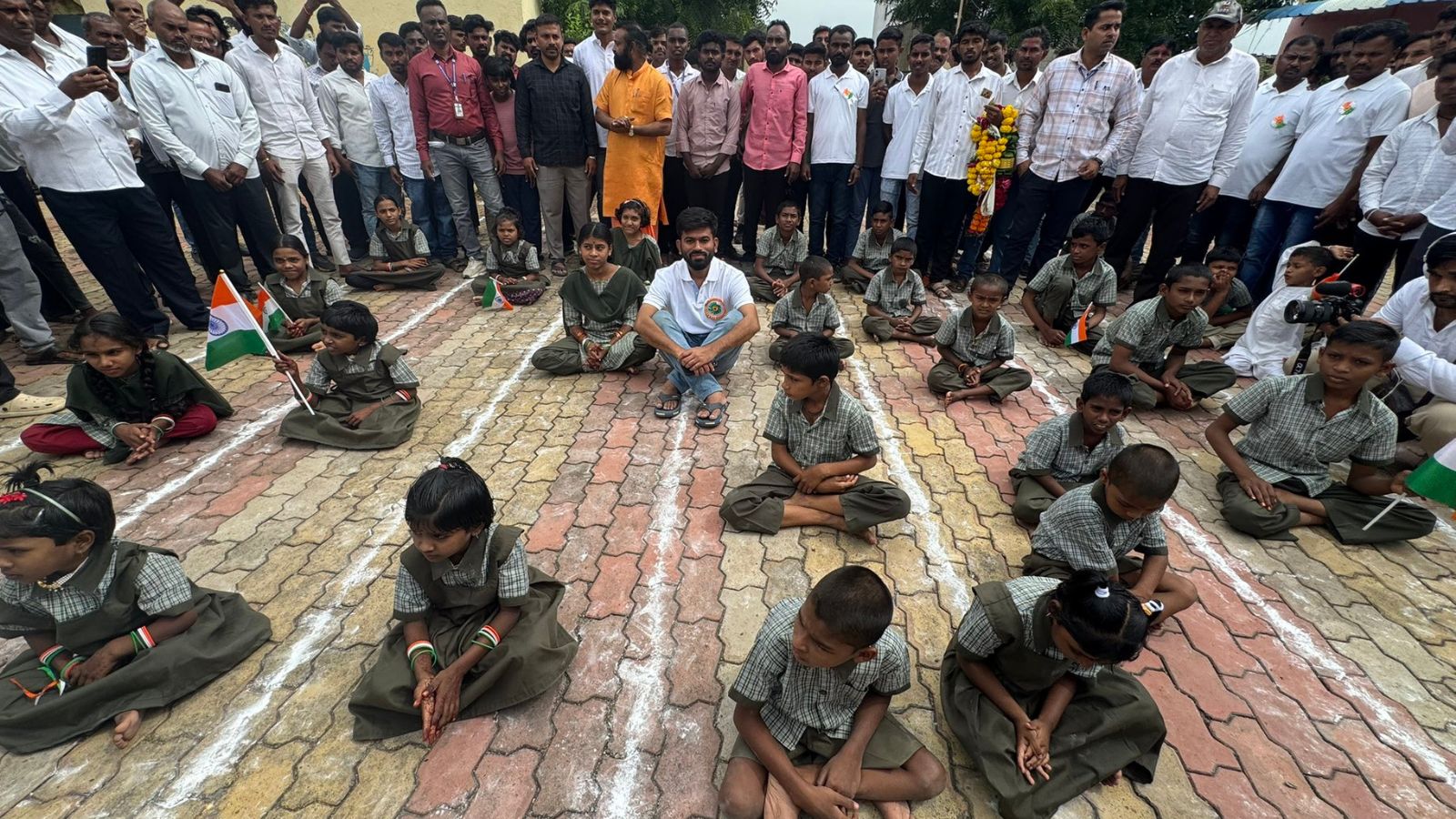
Cockroach Janata Party founder Abhijeet Dipke launched the 'School Thik Karo' campaign on Independence Day, uncovering severe infrastructure failures at a government school in Hingoli. The audit highlighted broken windows, unsafe water, and filthy toilets, underscoring systemic neglect.
Key Takeaways
- Broken windows and dilapidated toilets in a government school
- Lack of safe drinking water and insufficient seating
- 'School Thik Karo' campaign demands basic facility upgrades
Key Findings of the Audit
Abhijeet Dipke, founder and national coordinator of the Cockroach Janata Party (CJP), inaugurated the ‘School Thik Karo’ campaign on Independence Day. The first action was a systematic infrastructure audit of the Santuk Pimpri government school in Hingoli district, Maharashtra.
The audit uncovered critical deficiencies: no safe drinking water, insufficient benches for students, broken windows, and unclean, dilapidated toilets. Dipke remarked, “It is deeply regrettable that even after 80 years of independence, children in our villages are denied the basic facilities required to learn, progress, and dream of a better future.”
Why This Matters
BozokMedia analysis shows that infrastructural neglect in rural schools perpetuates educational inequality and forces children into child labor, undermining India's constitutional promise of equal opportunity.
“The right to education is meaningless without basic facilities; immediate remedial action is essential,” says Dr. Rekha Sharma, education policy expert.
Historical Background
Since independence, India has launched several schemes to improve rural education, such as the Sarva Shiksha Abhiyan and the National Education Mission. However, chronic under‑funding and weak monitoring have left many schools lagging behind.
Frequently Asked Questions
Question 1: What is the primary objective of the ‘School Thik Karo’ campaign?
Answer: To establish a systematic framework for inspecting, repairing, and upgrading rural government schools, ensuring equal learning opportunities for all children.
Question 2: How will local communities participate?
Answer: Communities, youth, and local stakeholders will collaborate to identify gaps, conduct audits, and implement practical solutions.