India's rapid expansion of engineering colleges has led to a quantitative surge but a qualitative decline. In the era of GenAI, the focus must shift from awarding degrees to fostering actual competence.
- Engineering expansion in India prioritized seat numbers over instructional quality.
- A structural gap has emerged between academic certification and industry employability.
- GenAI is rendering rote-learning models obsolete, demanding a total pedagogical reset.
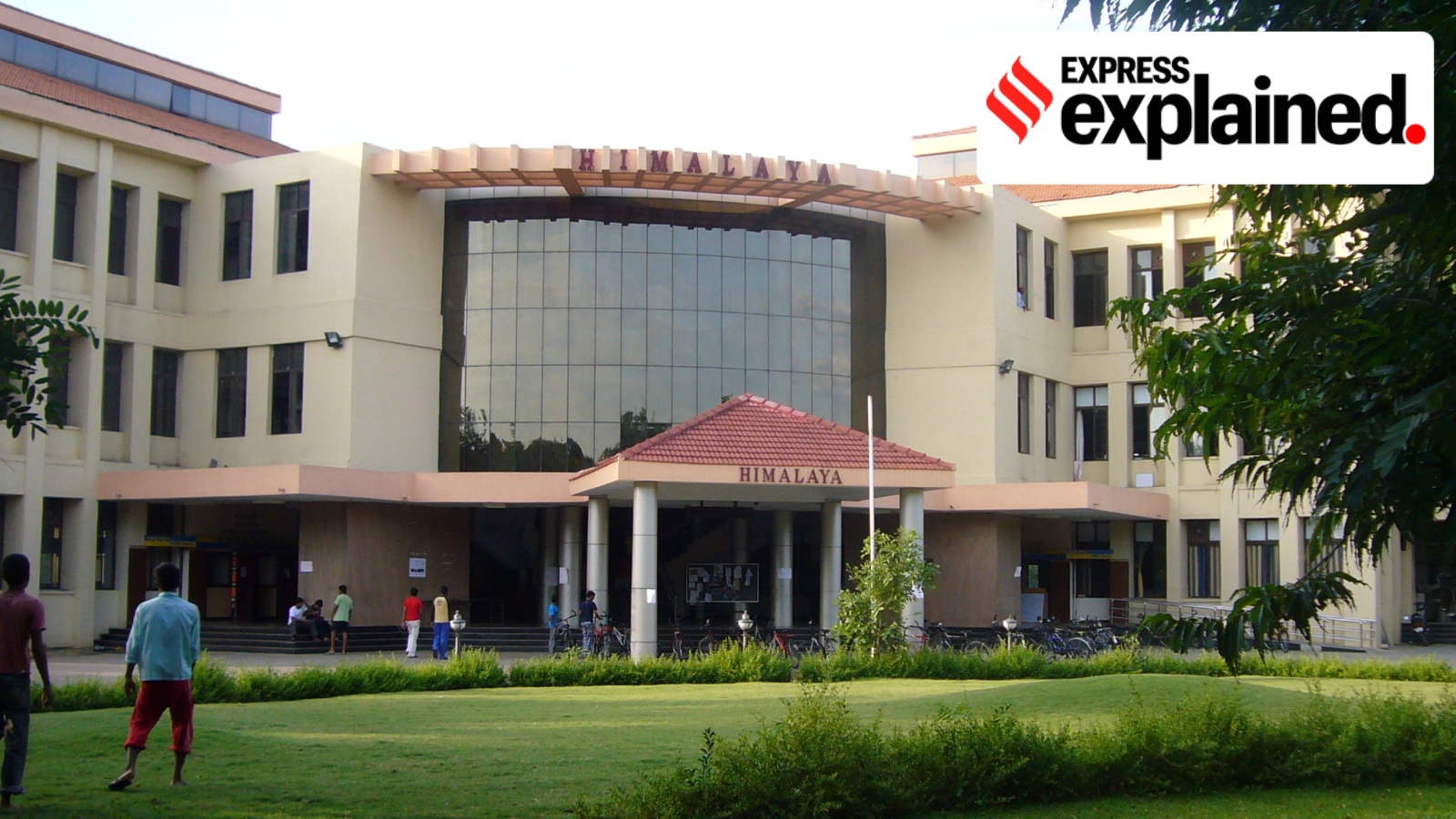
India has witnessed an unprecedented explosion in engineering education over the last two decades. Driven by the Y2K-era demand for software professionals, the nation rapidly expanded its network of Institutes of National Importance (INIs) like IITs, NITs, and IIITs, alongside thousands of private colleges. While this succeeded in democratizing access, it failed in maintaining a standard of excellence across the board.
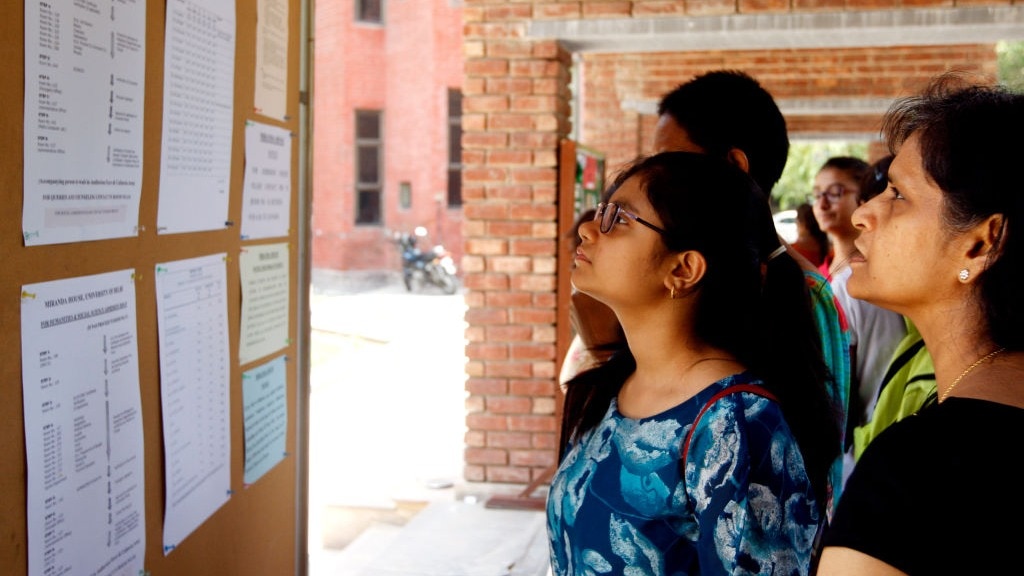
Recent observations by Union Finance Minister Nirmala Sitharaman and Telangana CM A Revanth Reddy underscore a grim reality: a degree no longer guarantees a job. The gap between what is taught in classrooms and what the industry requires has become a chasm, leaving millions of graduates underemployed or unemployable.
Why This Matters
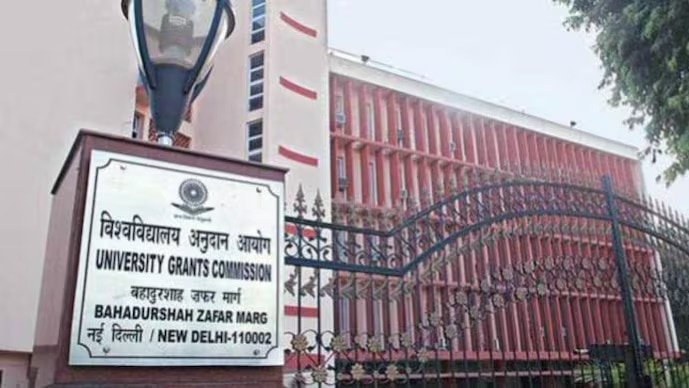
BozokMedia analysis shows that the current regulatory framework has inadvertently created a 'culture of compliance.' Institutions spend more energy on preparing reports for AICTE and NAAC than on actual pedagogical innovation. When compliance becomes the goal, genuine learning becomes a secondary byproduct. This systemic failure is now being amplified by the arrival of Generative AI, which can perform the basic tasks that mediocre engineers are trained to do.
"The shift must move from documented compliance to demonstrated learning; otherwise, the human engineer will become a redundant asset in the AI economy."
The imbalance is further evident in student preferences. There is an overwhelming rush toward Computer Science and AI, while traditional core engineering branches struggle for viability. This trend suggests that students are chasing immediate market trends rather than foundational engineering principles, creating a fragile talent pool.
The advent of GenAI has changed the teaching equation entirely. When AI can write code and solve complex equations in seconds, the value of a student is no longer in their ability to provide the 'right answer,' but in their ability to ask the 'right question' and architect complex solutions. The current rote-learning system is fundamentally incapable of producing such critical thinkers.
Comparison: Traditional Model vs. AI-Era Model
| Feature | Traditional Model | AI-Era Model (Required) |
|---|---|---|
| Learning Method | Rote-learning & Exam-driven | Problem-solving & Project-based |
| Assessment | Written exams & Degrees | Skill demonstration & Portfolios |
| Focus | Theoretical knowledge | Critical thinking & AI Integration |
Frequently Asked Questions
Q1: Is an engineering degree from India still valuable?
Yes, the core value of engineering remains. However, the degree is now a baseline requirement; the actual value lies in specialized skills, certifications, and the ability to apply knowledge to real-world problems.
Q2: How should students adapt to the GenAI era?
Students must move beyond textbooks and focus on 'learning how to learn.' Mastering AI tools to enhance productivity and focusing on high-level system design is the only way to remain competitive.