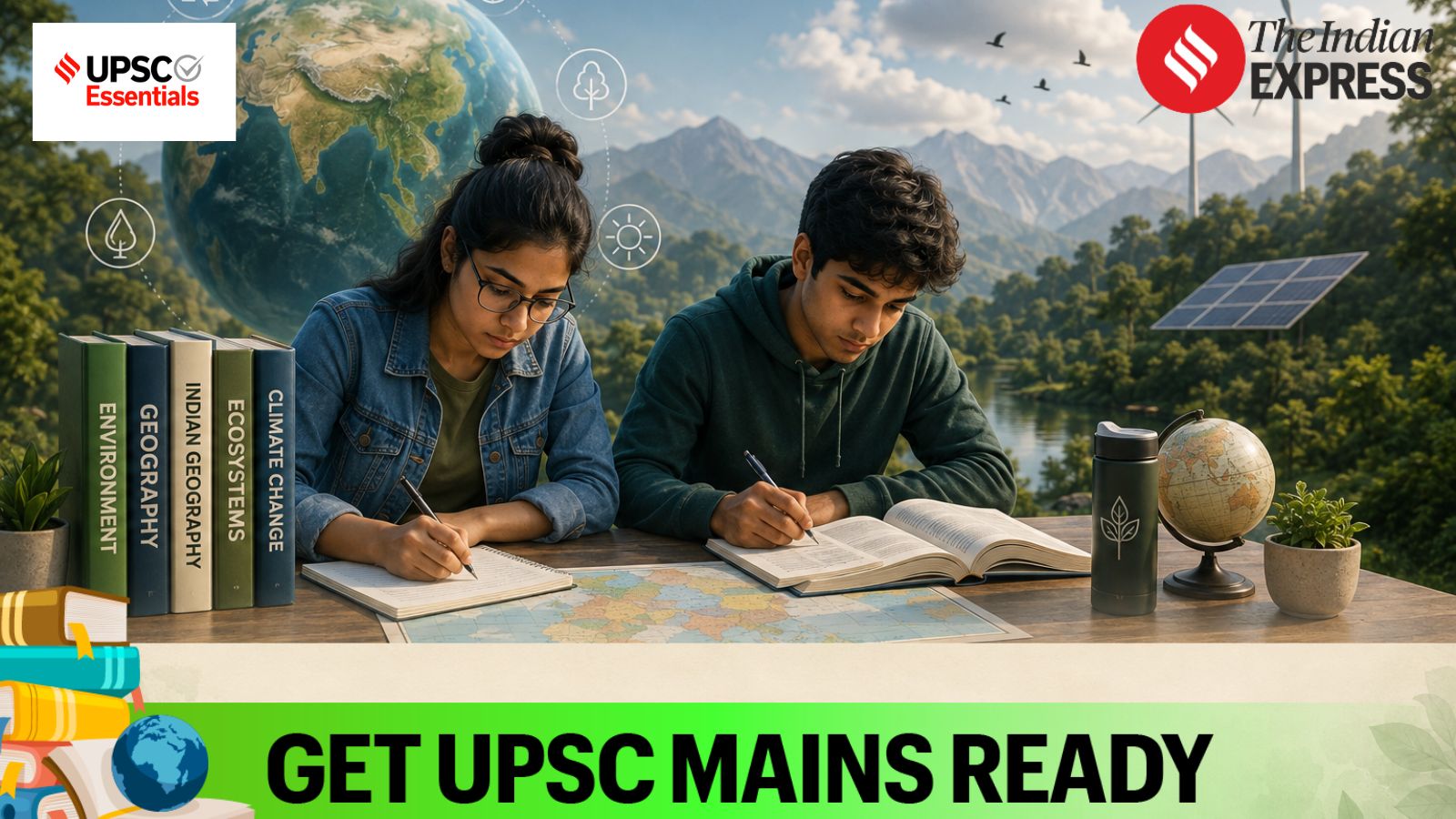
As the UPSC CSE Mains 2026 approaches on August 21, aspirants must focus on high-yield, interdisciplinary themes. This comprehensive guide highlights the top 15 critical topics in Environment and Geography to ensure conceptual depth and analytical precision in GS Paper I and III.
- Focus on interdisciplinary links between GS-I (Geography) and GS-III (Environment & Disaster Management).
- Prioritize dynamic themes like Climate Change and Water Scarcity over static memorization.
- Integrate current affairs, government policies, and case studies into Mains answers for higher scoring.
With the UPSC Civil Services Mains Examination 2026 scheduled to commence on August 21, the pressure on aspirants to synthesize vast amounts of data into coherent, analytical answers is at its peak. While no subject is entirely predictable, the domains of Environment and Geography remain the most dynamic components of the General Studies (GS) syllabus, requiring a blend of static conceptual clarity and real-time awareness of global trends.
The Strategic Approach to GS Paper I and III
Success in the Mains is not about predicting specific questions but about mastering broader themes. For instance, a question on the Himalayan region is rarely just about geography; it often intersects with climate change (Environment), border security (Internal Security), and disaster management. Aspirants are encouraged to 'connect the dots' across different papers to add a layer of sophistication to their responses.
Deep Dive: Climate Change and National Resilience
Climate change has evolved from a peripheral environmental concern into a central challenge affecting India's national security, health, and economic stability. BozokMedia analysis shows that the UPSC is increasingly shifting from asking 'what is climate change' to 'how does climate change impact specific sectors' such as food security in tropical countries or the vulnerability of the Himalayan ecosystem.
Key dimensions for revision include the increasing frequency of extreme weather events, the paradox of simultaneous floods and droughts, and the role of nature-based solutions in strengthening India's adaptive capacity. The integration of the Indus River system's changing precipitation patterns serves as a prime example of how geography and climate intersect.
"The ability to link static geographical processes with contemporary environmental crises is what separates a mediocre answer from an award-winning one in the UPSC Mains."
The Crisis of Water Scarcity and Urbanization
Water scarcity in India is a multifaceted crisis. It is no longer just about the lack of rainfall but about groundwater depletion, inefficient management, and the ecological cost of urban expansion. From the groundwater crisis in Punjab caused by spring maize to the urban water failures in Bengaluru and Chennai, the examples are plenty and critical for GS-II (Governance) and GS-III (Agriculture).
| Theme | GS-I Focus (Static) | GS-III Focus (Dynamic) |
|---|---|---|
| Climate Change | Atmospheric circulation, Jet streams | Carbon credits, COP summits, Heatwaves |
| Water Resources | River systems, Drainage patterns | Interlinking of rivers, Jal Jeevan Mission |
| Energy | Mineral distribution, Coal belts | Green Hydrogen, Solar Alliance, Net Zero |
Why This Matters
BozokMedia analysis shows that the UPSC is rewarding candidates who can provide evidence-based answers. Using specific case studies—such as the shrinking Himalayan glaciers or the reclamation of urban water bodies—demonstrates a candidate's ability to apply theoretical knowledge to real-world problems. This analytical depth is crucial for securing a rank in the final merit list.
Frequently Asked Questions
Q1: How should I integrate current affairs into Geography answers?
Always link static concepts (like Monsoons) with recent anomalies (like unexpected October rainfall) and mention government initiatives or international reports (like IPCC) to validate your points.
Q2: Which is more important for Mains: static concepts or dynamic updates?
Both are indispensable. Static concepts provide the foundation, while dynamic updates provide the 'edge' and relevance required for high-scoring analytical answers.