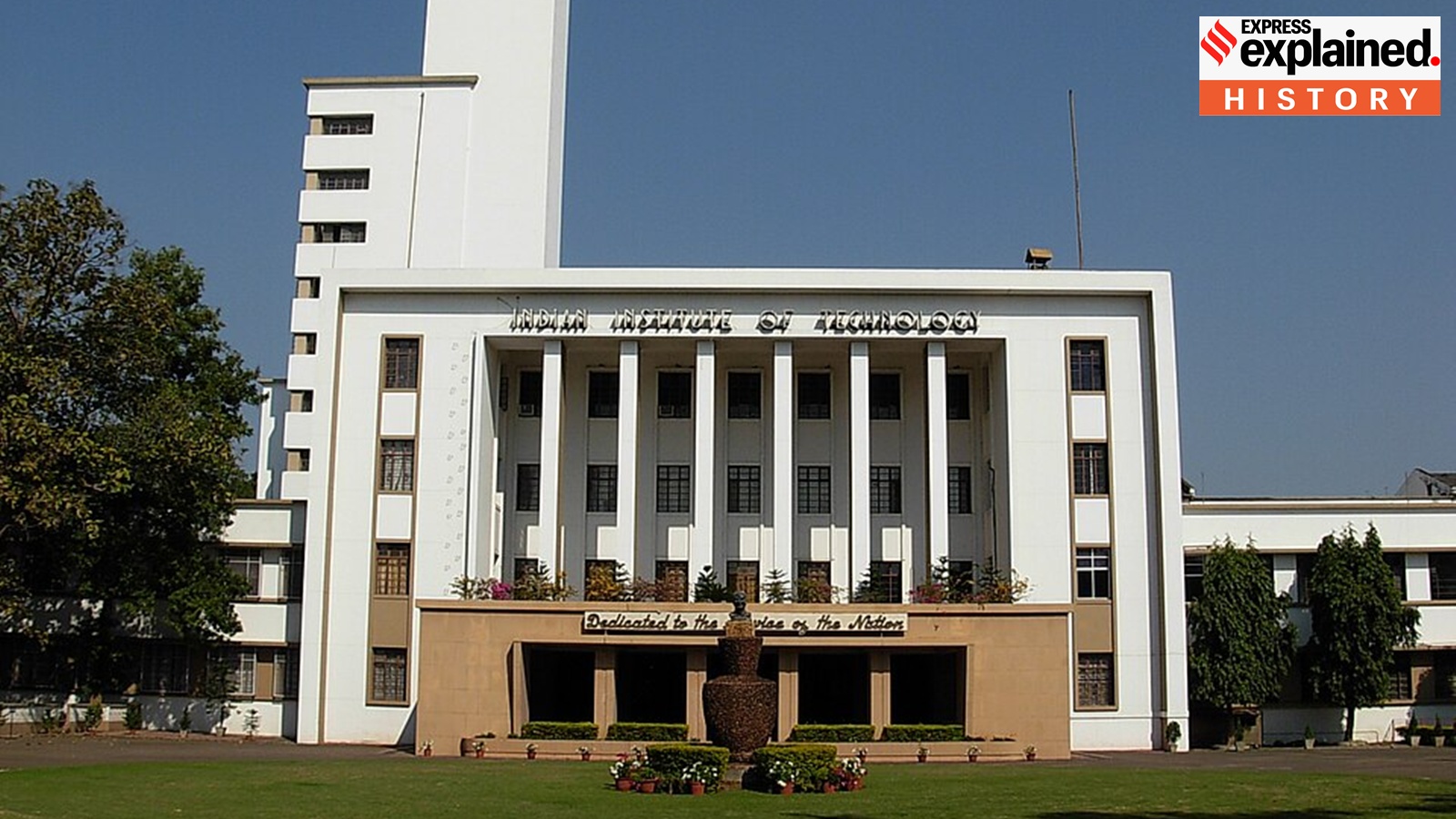
Celebrating 75 years of excellence, IIT Kharagpur traces its remarkable journey from the confines of the Hijli Detention Camp to becoming the cornerstone of India's technical revolution.
- IIT Kharagpur was formally inaugurated on August 18, 1951, by Maulana Abul Kalam Azad.
- The institute was established on the site of the former Hijli Detention Camp.
- The Sarkar Committee's vision for post-war industrialization laid the groundwork for the IIT system.
- Jawaharlal Nehru viewed the IITs as essential pillars for building a modern, industrial India.
Today marks a monumental milestone as IIT Kharagpur celebrates its 75th anniversary. Founded on August 18, 1951, this institution stands as the progenitor of the entire Indian Institute of Technology ecosystem. What began as a visionary project under the leadership of Maulana Abul Kalam Azad has evolved into a global powerhouse of engineering and research excellence.
The genesis of the IITs was rooted in the geopolitical shifts following World War II. In 1946, a committee led by industrialist Nalini Ranjan Sarkar recognized that a newly independent India would struggle to secure technical expertise from abroad. The committee recommended creating high-level technical institutions modeled after the Massachusetts Institute of Technology (MIT) to fuel India's post-war industrial ambitions.
Why This Matters
BozokMedia analysis shows that the establishment of IIT Kharagpur was not merely an educational expansion but a strategic move for national sovereignty. By creating indigenous technical manpower, India ensured that its developmental trajectory would be driven by its own scientists and engineers rather than being dependent on colonial-era expertise.
The transition from a site of political imprisonment to a sanctuary of scientific inquiry defines the spirit of modern India.
The historical irony of IIT Kharagpur's location is profound. The campus sits on the grounds of the Hijli Detention Camp, a facility used by the British to incarcerate Indian freedom fighters. This site witnessed the tragic martyrdom of Santosh Kumar Mitra and Tarakeswar Sengupta in 1931, an event that even drew the attention of Netaji Subhash Chandra Bose. Today, the very classrooms where students master complex algorithms stand where revolutionaries once faced oppression.
Prime Minister Jawaharlal Nehru played a pivotal role in nurturing this vision. He personally laid the foundation stone of the new building in 1952 and viewed the institute as a symbol of 'bigness'—an institution that would challenge students to grow alongside the nation. From its humble beginnings with 224 students and 42 teachers, the institute has grown into a massive national asset.
Frequently Asked Questions
1. When was IIT Kharagpur established?
It was formally inaugurated on August 18, 1951.
2. What was the significance of the Hijli site?
The site was formerly a British detention camp used to hold Indian independence activists.

