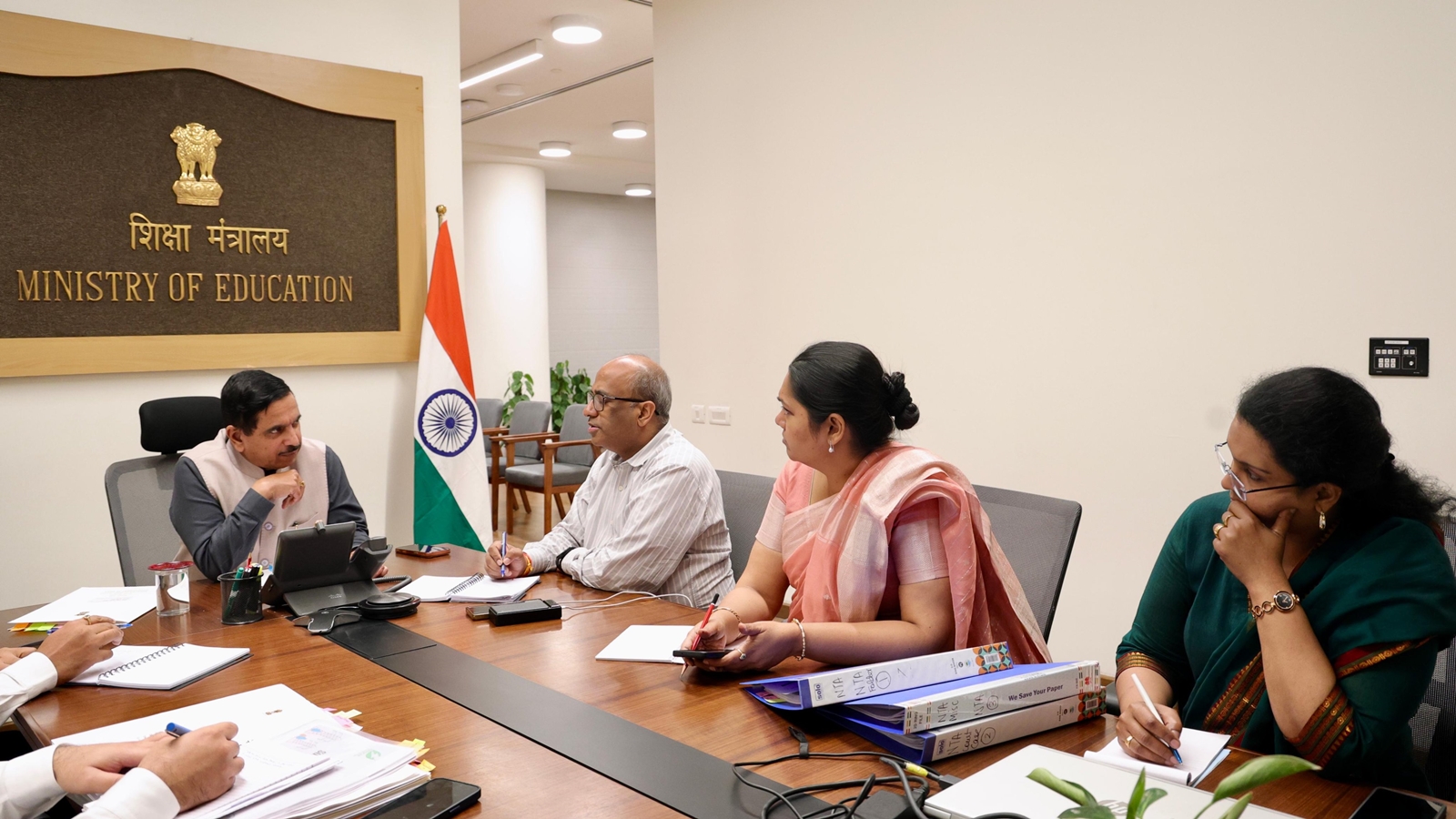
Following the NEET-UG and UGC-NET controversies, the Education Ministry has announced a massive revamp of the NTA, including a 4-tier scrutiny process and CISF security deployment.
- A massive overhaul of the NTA examination structure has been announced.
- 600 experts have been removed and replaced with new specialists.
- A new 4-tier question paper verification system will be implemented.
- NTA offices will now be secured by CISF personnel.
In a decisive move to restore public confidence, the Union Education Ministry has announced a comprehensive restructuring of the National Testing Agency (NTA). This overhaul follows intense scrutiny and widespread protests regarding the NEET-UG paper leak and recent lapses in the UGC-NET examinations, which highlighted significant vulnerabilities in the agency's processes.
Major Structural Changes
NTA Director General Abhishek Singh has briefed the ministry on the immediate corrective measures. A significant component of this revamp involves the complete overhaul of the examination team; 600 experts have been removed from their positions, and a fresh cohort of experts is being onboarded to ensure high-quality academic standards. To prevent the typographical and factual errors that plagued recent exams, a four-tier question paper checking system is being introduced to strengthen scrutiny.
Furthermore, the ministry has outlined plans to induct 20-25 additional officials within the next few weeks. On the infrastructural front, NTA offices are being shifted to new premises on a 'war footing,' where security will be significantly bolstered by teams from the Central Industrial Security Force (CISF).
Why This Matters
BozokMedia analysis shows that these drastic measures are a direct response to the systemic failures that led to the resignation of former Education Minister Dharmendra Pradhan. The government is attempting to move from a reactive to a proactive stance by fortifying both the human and physical security of the examination process.
The integration of paramilitary security and multi-layered academic scrutiny is a necessary evolution to protect the sanctity of India's competitive examination ecosystem.
This crackdown comes on the heels of the Parliament passing the Public Examinations (Prevention of Unfair Means) Amendment Bill, 2026. This landmark legislation provides for tougher penalties, the establishment of fast-track courts, and time-bound trials to combat the menace of paper leaks effectively.
Historical Background
The NTA was established to centralize and standardize national-level entrance exams. However, recent years have seen a series of high-profile controversies involving paper leaks and administrative mismanagement, leading to a massive loss of credibility among millions of aspirants and necessitating this unprecedented level of reform.
Frequently Asked Questions
Question 1: What is the purpose of the new 4-tier checking system?
Answer: It is designed to minimize factual, typographical, and translation errors in question papers to ensure a fair examination environment.
Question 2: Why is the CISF being deployed at NTA offices?
Answer: To reinforce security and protect sensitive examination-related infrastructure and data from unauthorized access.