New UDISE+ data reveals a steady rise in digital infrastructure in Indian schools, yet nearly one-third of institutions remain offline. While computer availability is growing faster, the internet connectivity gap persists as a critical hurdle.
- Internet connectivity in schools rose to 67.4% in 2025-26 from 63.5% previously.
- Computer availability grew more rapidly, reaching 69.9% of schools.
- Approximately 32.6% of schools still operate without any internet access.
- Basic amenities like drinking water (99.5%) and electricity (95%) show near-universal coverage.
The latest data from the Unified District Information System for Education Plus (UDISE+), released by the Ministry of Education, highlights a paradoxical trend in India's educational landscape. While there is a clear upward trajectory in the adoption of digital tools, a significant portion of the student population remains digitally marginalized. In the 2025-26 academic year, internet connectivity reached 67.4% of schools, marking a 3.9 percentage point increase over the previous year.
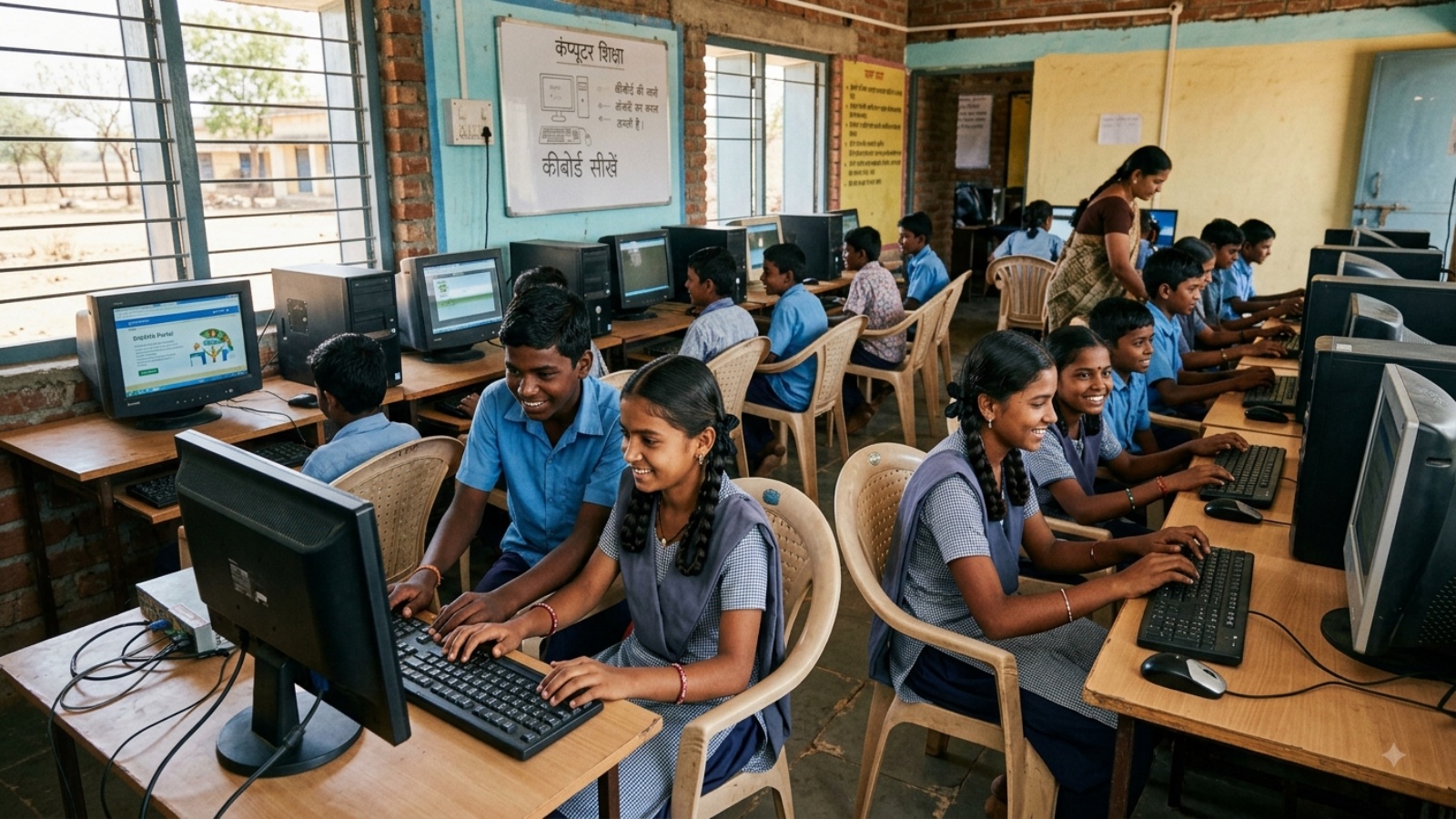
Interestingly, the hardware rollout is outpacing the network infrastructure. The proportion of schools equipped with computers rose from 64.7% in 2024-25 to 69.9% in 2025-26. This 5.2 percentage point jump indicates that while the government and private entities are successfully placing machines in classrooms, the 'last-mile connectivity'—the actual internet access required to make those machines useful—is lagging behind.
Why This Matters
BozokMedia analysis shows that the gap between hardware (computers) and connectivity (internet) creates a 'hollow digitalization.' Without the web, computers are limited to offline software, severely restricting students' access to global research, real-time educational platforms, and administrative efficiency. In an era where AI and cloud-based learning are becoming standard, a 32.6% connectivity gap represents a systemic risk to educational equity.
The transition from 'computer literacy' to 'digital fluency' is impossible without ubiquitous high-speed internet access across all rural and urban tiers.
Beyond digital metrics, the report provides a comprehensive look at school infrastructure. The Indian government has made stellar progress in basic sanitation and utilities. Drinking water facilities are now available in 99.5% of schools, and girls' toilets are present in 98.5%, reflecting a strong commitment to hygiene and female student retention.
The report also touches upon the critical issue of staffing. There has been a slight decline in single-teacher schools, dropping from 1,04,125 to 1,00,843. However, this national average is misleading. While five specific states aggressively reduced their number of single-teacher schools by over 11,000, other states actually saw an increase, suggesting a deepening regional disparity in teacher allocation.
| Facility | 2024-25 (%) | 2025-26 (%) | Growth |
|---|---|---|---|
| Internet Connectivity | 63.5% | 67.4% | +3.9% |
| Computer Availability | 64.7% | 69.9% | +5.2% |
| Electricity Access | - | 95.0% | Stable |
Frequently Asked Questions
Q1: What is UDISE+?
UDISE+ is the Unified District Information System for Education Plus, a comprehensive database managed by the Ministry of Education to monitor school infrastructure and performance.
Q2: Why is the gap between computers and internet access concerning?
Because most modern educational resources are cloud-based; having a computer without internet limits the device to basic offline tasks, hindering true digital learning.