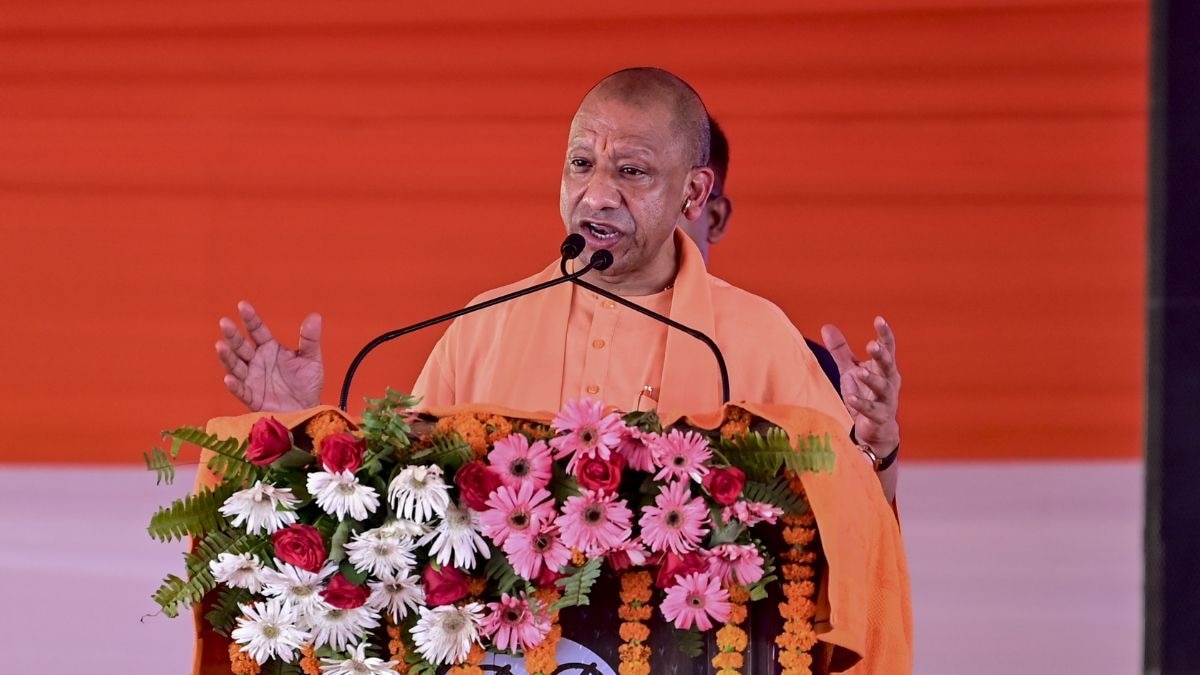
Speaking at the 10th Annual IC3 Conference, former CJI D.Y. Chandrachud emphasized the need for critical thinking, educational equity, and bridging the gap between information and insight.
- Youth must develop the courage to pose 'truth to power' and ask difficult questions.
- In the AI era, the challenge has shifted from finding information to discerning true knowledge.
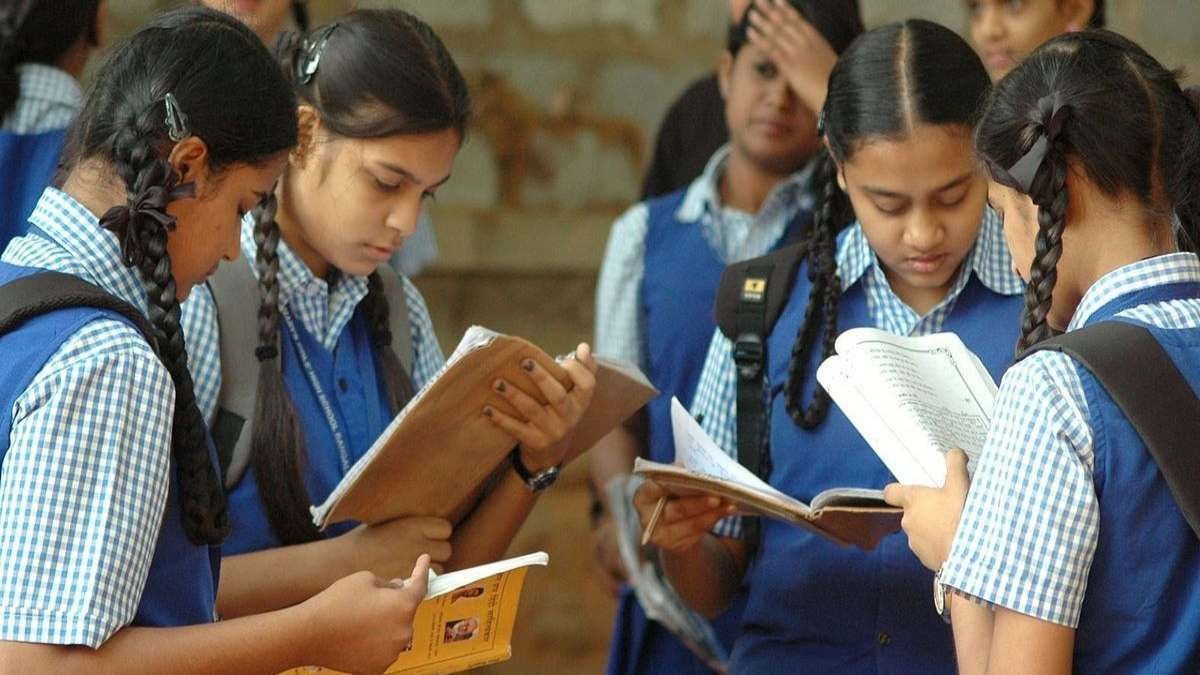
- Lack of sanitation facilities in schools remains a major barrier to girls' education.
- India needs an inclusive education system to truly leverage its demographic dividend.
At the plenary session of the 10th Annual IC3 Conference held in Mumbai, former Chief Justice of India D.Y. Chandrachud delivered a profound message regarding the role of the youth in a technological age. He asserted that children must evolve into patient listeners and willing observers, possessing the intellectual fortitude to ask difficult questions, even when challenging those in power.
The conference, themed 'Looking Deeply — From Information to Insight', brought together policymakers, diplomats, and industry leaders from over 60 countries. Addressing the complexities of the modern era, Justice Chandrachud noted that while technology has made information ubiquitous, it has created a new crisis: the inability to distinguish between mere data and genuine knowledge.
Why This Matters
BozokMedia analysis shows that Chandrachud’s remarks strike at the heart of democratic resilience. As artificial intelligence reshapes how we consume facts, the capacity for critical inquiry becomes the primary defense against misinformation and the erosion of institutional integrity.
Our young still need guidance to distinguish evidence from assertion, significance from novelty, and judgment from opinion.
A significant portion of his address focused on the systemic inequalities within the Indian education sector. He highlighted a distressing reality: despite progress, approximately 1,05,000 schools in 2025-26 lacked adequate toilet facilities for girls. He pointed out that the lack of basic sanitation leads to a high dropout rate among menstruating girls, hindering gender parity in education.
Furthermore, the former CJI called for a redefinition of 'merit.' He argued that for India to realize its potential as a global leader, the educational system must be inclusive, accommodating children who learn differently and ensuring that the most marginalized students are brought into the mainstream.
The Balance of Tradition and Technology
While championing technological literacy, Justice Chandrachud cautioned against the abandonment of traditional wisdom. Drawing parallels with countries like Japan, he explained how passing down traditional knowledge helps maintain a 'national memory.' He urged the younger generation not to let the rapid influx of modern information overshadow the profound lessons learned by previous generations.
Frequently Asked Questions
1. What was the main theme of the 10th Annual IC3 Conference?
The theme was 'Looking Deeply — From Information to Insight,' focusing on moving beyond data to true understanding.
2. What specific infrastructure issue did Justice Chandrachud highlight?
He highlighted the critical lack of proper toilet facilities in thousands of schools, which directly affects the education of young girls.