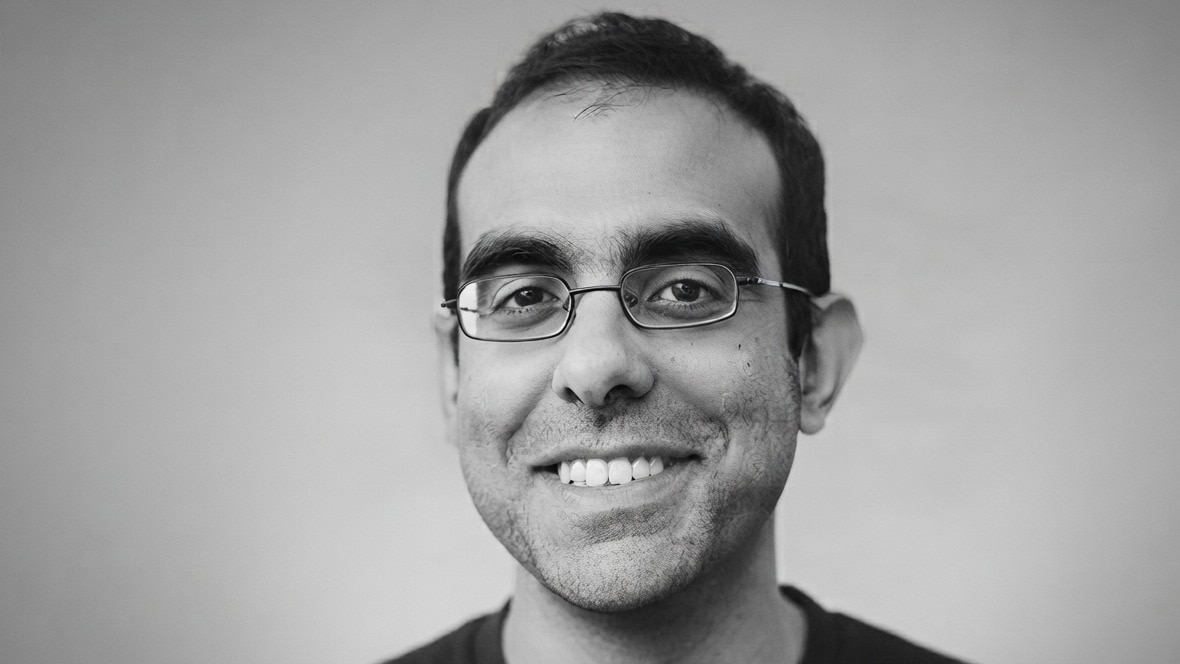
Lyft co-founder Rajat Suri has sparked debate by suggesting his children should forgo traditional college education. This perspective reflects a growing emphasis on skill-based learning and entrepreneurship in a rapidly changing economy. It challenges the relevance and cost of modern higher education.
- Lyft co-founder Rajat Suri advocates for his children to skip traditional college education.
- This stance highlights the increasing importance of skill-based learning and practical experience in a rapidly evolving job market.
- It contributes to a broader debate about the cost, debt, and relevance of conventional degrees.
A prominent figure in the tech world and co-founder of the ride-sharing giant Lyft, Rajat Suri, has made a bold statement regarding the future of traditional higher education. Suri believes that his children should consider skipping college, a perspective that ignites a significant debate on the changing landscape of education and the demands of the modern workforce. This statement comes at a time when many tech entrepreneurs and visionaries are questioning the efficacy of conventional degrees, prioritizing instead practical skills, entrepreneurship, and real-world experience.
Suri's argument, though not yet fully detailed, echoes a wider sentiment within Silicon Valley where innovation and adaptability are often valued above formal credentials. The escalating cost of traditional university education, the burden of student debt, and the slow pace of curriculum adaptation to often rapidly changing industry requirements are some of the key points that individuals like Suri are contemplating. He believes that the ability to solve real-world problems and cultivate an entrepreneurial mindset might be more valuable than academic titles.
Historical Background
The notion that a traditional college education is not always the best path to success is not new. Tech luminaries like Peter Thiel have championed this concept through initiatives like the 'Thiel Fellowship,' which provides $100,000 to young people to drop out of college and work on their own ideas instead. Many successful entrepreneurs, including Bill Gates, Steve Jobs, and Mark Zuckerberg, have also been college dropouts, reinforcing the idea that formal degrees are not always prerequisites for innovation and business success. The rise of online learning platforms, coding bootcamps, and apprenticeship programs has also provided viable alternatives to traditional higher education, enabling individuals to acquire specific, market-relevant skills in less time and at a lower cost.
Why This Matters
BozokMedia analysis shows that Rajat Suri's statement is not merely a personal preference but indicative of a broader societal shift concerning the future of education and employment. As automation and artificial intelligence reshape the global workforce, skills like critical thinking, problem-solving, and adaptability are becoming more crucial than rote knowledge. This debate compels policymakers, educators, and parents to re-evaluate the true value of traditional degrees and the need to develop educational models that better prepare students for 21st-century challenges.
Suri's perspective also highlights how entrepreneurship and creativity can be fostered from a younger age, allowing young individuals to pursue their passions without the constraints of traditional educational frameworks. It envisions a future where the learning process is more personalized, flexible, and directly connected to the needs of the job market.
"In today's rapidly evolving tech landscape, the 'ability to learn' is often more valuable than any specific degree. Entrepreneurs like Rajat Suri are highlighting that continuous adaptation and practical skill development are paramount for future success," commented an education expert.
However, proponents of traditional college education counter that it offers more than just skill acquisition. They argue that universities foster critical thinking, research skills, social development, and exposure to diverse perspectives essential for creating a well-rounded individual. Critics also maintain that a degree is still a gateway in many industries and can provide individuals with long-term career stability and higher earning potential.
Rajat Suri's statement fuels a crucial conversation about the future of education. It encourages individuals to consider their learning paths and decide whether traditional college aligns with their goals, or if alternative routes, such as skill-based training and entrepreneurship, might be more suitable for them. This debate underscores the need for continuous innovation and re-evaluation within the education system.
Frequently Asked Questions
- What are the alternatives to traditional college education?
- Is a college degree still valuable in the modern workforce?