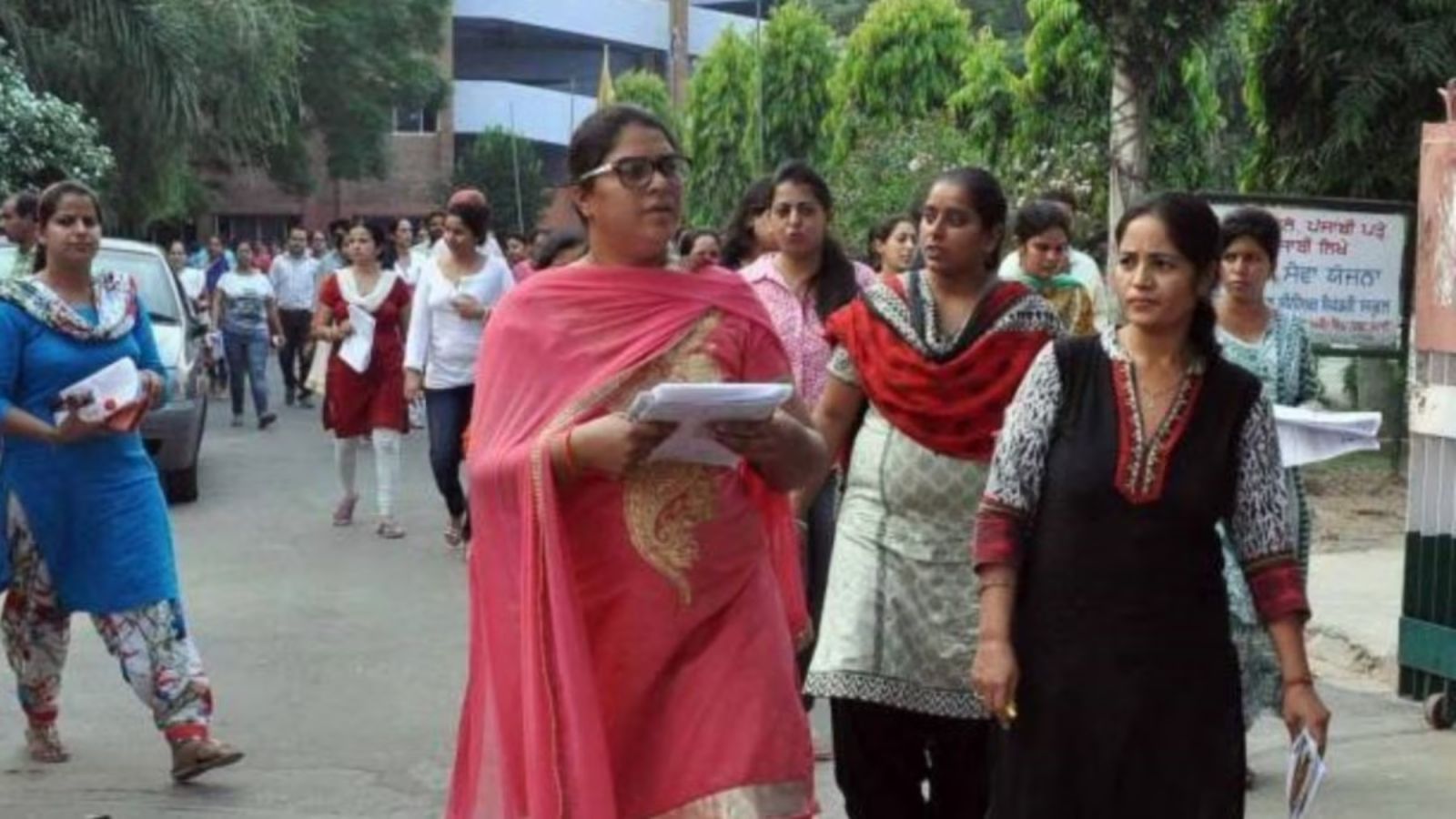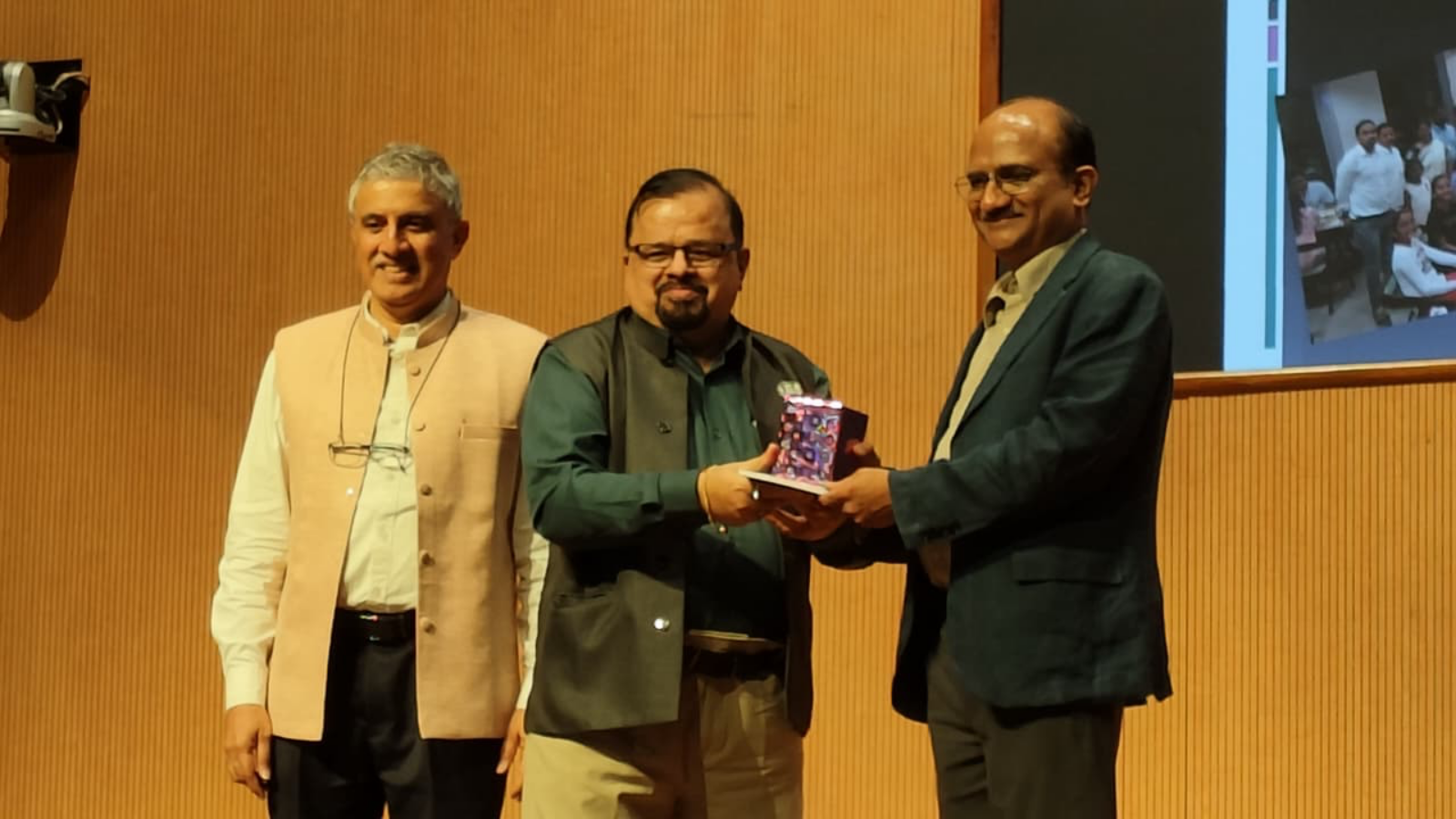
Professor V Ramgopal Rao, Group VC of BITS Pilani and former IIT Delhi Director, has warned that the dominance of CBSE and JEE is homogenizing student thought and stifling the diversity required for scientific innovation.
- CBSE schooling and JEE entrance exams are reducing intellectual diversity in higher education.
- Standardized testing leads to a 'one-size-fits-all' approach to problem-solving.
- Innovation requires the intersection of different disciplines, industries, and cultures.
- India needs to focus on research quality, R&D funding, and industry-academia collaboration.
In a striking critique of the Indian education system, Professor V Ramgopal Rao, Group Vice-Chancellor of BITS Pilani and former Director of IIT Delhi, stated that the current reliance on CBSE schooling and JEE entrance examinations is eroding the diversity of thought essential for academic excellence.
Speaking at a lecture titled “Unleashing India’s Scientific Potential: Breaking barriers and igniting Innovation,” organized by IISER Pune and the Maharashtra Academy of Sciences, Rao highlighted the growing uniformity among students entering premier institutions. He noted that while India is culturally diverse, its academic landscape is becoming increasingly monolithic.
Why This Matters
BozokMedia analysis shows that the intense focus on standardized testing through JEE creates a cohort of students who excel at pattern recognition but struggle with divergent thinking. When every student in an IIT has been trained through the same CBSE curriculum and tested via the same JEE methodology, the 'intellectual friction' required to spark groundbreaking innovation is lost. This homogenization poses a long-term risk to India's goal of becoming a global R&D powerhouse.
For innovation to happen, unlike minds must come together—whether through interdisciplinary training or the intersection of industry and academia.
Professor Rao emphasized that true innovation stems from the collision of different perspectives. This includes different academic disciplines talking to each other, industry professionals interacting with academics, and even cultural diversity within research environments. He argued that the current system produces students who solve problems in exactly the same way, which is the antithesis of creative scientific inquiry.
Beyond the critique of testing, Rao addressed the systemic needs of the Indian scientific community. He pointed out that while the number of institutes and publications is rising, there is an urgent need to increase the ratio of researchers to the population, improve the quality of research, and boost R&D investment within private companies.
A heavyweight in the scientific community, Rao holds over 50 patents, including 20 granted in the US. His work in nanoelectronics is globally significant, with his CMOS-SoC intellectual property utilized in hundreds of millions of integrated circuits. He is also a co-founder of deep-tech startups Nanosniff and Soilsens.
Historical Background
The shift toward a centralized curriculum in India has been a gradual process. The dominance of the CBSE board was intended to provide a level playing field for national-level exams, but critics argue it has inadvertently led to the decline of regional pedagogical nuances and diverse ways of approaching logic and science.
Frequently Asked Questions
Question 1: What is the main criticism against JEE and CBSE?
Answer: The criticism is that they normalize thinking patterns, making students solve problems identically and killing the cognitive diversity needed for innovation.
Question 2: What does Rao suggest for improving Indian science?
Answer: He suggests better science funding, higher quality research, more R&D in the private sector, and stronger industry-academia collaboration.