A specialized Science and Technology quiz designed for UPSC CSE 2027 aspirants, covering critical topics like ISRO's GISAT-1A mission, E. coli contamination, and cancer research.
- ISRO is set to resume launch services with the GISAT-1A satellite in September.
- E. coli contamination has been detected in water samples at several Indian railway stations.
- RK-251 is a breakthrough 'smart' drug designed for targeted cancer treatment.
For aspirants preparing for the UPSC Civil Services Preliminary Examination 2027, Science and Technology remains a high-yield subject. The 176th week of the UPSC Essentials subject-wise quiz focuses on critical advancements in space technology, microbiology, and pharmaceutical innovation.
Space Exploration: The Return of ISRO with GISAT-1A
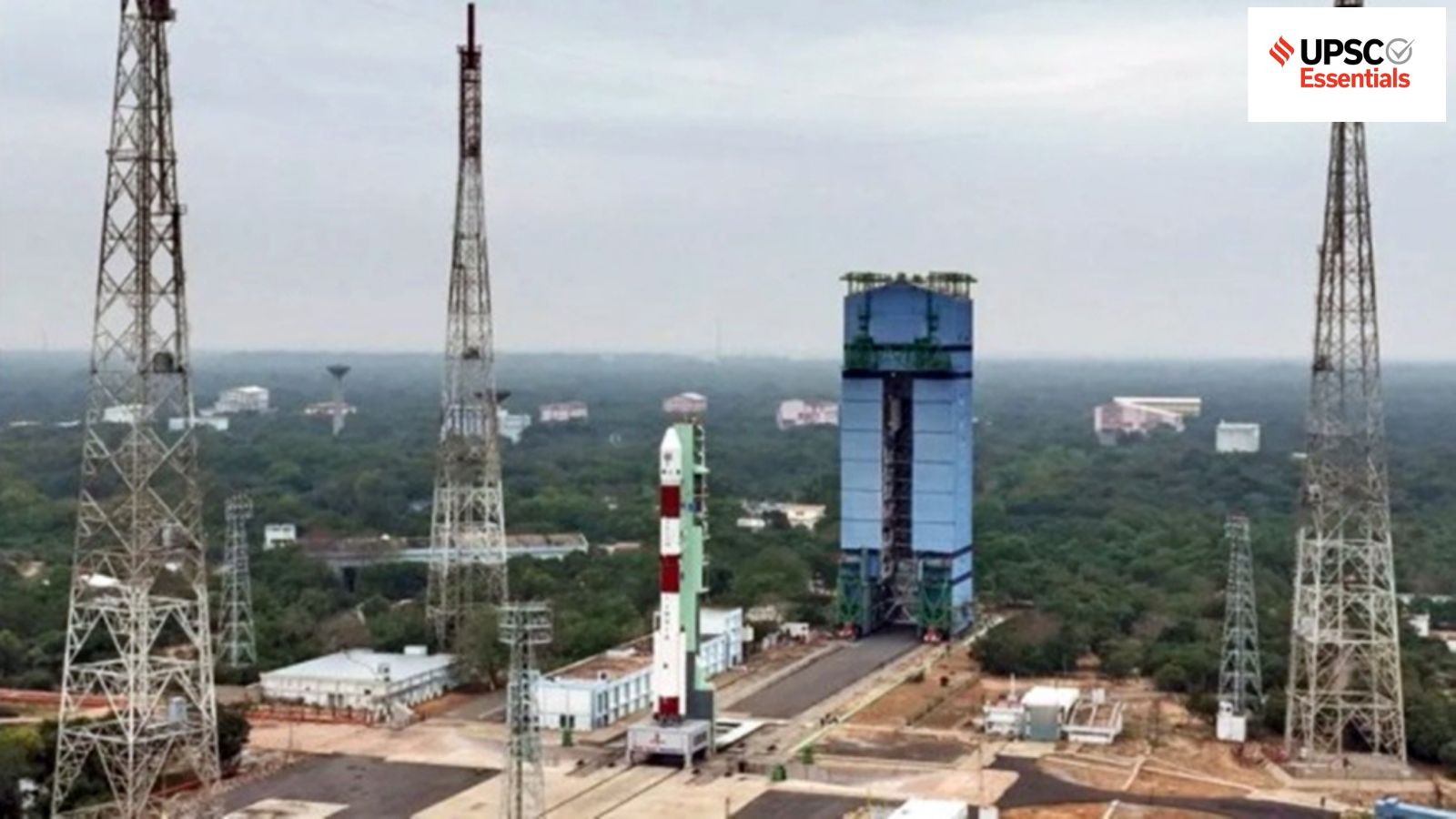
After a significant hiatus, the Indian Space Research Organisation (ISRO) is preparing to resume its launch activities. The upcoming launch of the GISAT-1A (also known as EOS-05) in early September marks a crucial step in restoring India's earth observation capabilities. This satellite serves as a replacement for the 2021 GISAT-1 mission, which failed to reach its intended orbit due to a propulsion failure.
GISAT-1A is engineered with a 10-year mission life, specifically designed to monitor natural disasters and provide high-frequency imaging for agricultural and forestry tracking. This mission is vital for maintaining continuity in India's remote sensing infrastructure.
Why This Matters
BozokMedia analysis shows that the success of replacement satellites like GISAT-1A is critical for national security and economic stability, as real-time data on weather patterns and crop health directly influences policy decisions and disaster mitigation strategies.
The ability to rapidly deploy replacement satellites ensures that India's strategic eye in space remains unblinking.
Public Health Alert: E. coli and Water Sanitation
Microbiology is a recurring theme in UPSC exams, particularly concerning public health. A recent report by the CAG highlighted the presence of E. coli bacteria in drinking water at various Indian railway stations, including those in Mumbai, Kerala, and Tamil Nadu. This contamination is often linked to sewage leaks in local infrastructure.
While E. coli is a common inhabitant of the intestines, certain strains pose severe risks of diarrhea and urinary tract infections. Contrary to common misconceptions, children are often more vulnerable to these infections than senior citizens, and the bacteria remain treatable through targeted antibiotic therapy.
| Feature | GISAT-1A Satellite | E. coli Bacteria |
|---|---|---|
| Domain | Space Technology | Microbiology |
| Primary Function/Impact | Earth Observation & Disaster Mgmt | Gut Flora / Waterborne Pathogen |
| Key Detail | 10-Year Mission Life | Treatable via Antibiotics |
Frequently Asked Questions
1. What is the significance of the GISAT-1A mission?
It is a replacement for the failed GISAT-1, aimed at long-term earth observation for agriculture and disaster management.
2. How is E. coli usually spread in water?
It is most commonly spread through fecal contamination, often caused by leaks in sewage pipelines.