The Cockroach Janta Party (CJP) has launched the #SchoolThikKaro campaign to protest the deplorable state of government schools in India, highlighting a massive funding gap.
- The Cockroach Janta Party (CJP) is spearheading the #SchoolThikKaro campaign to address poor school infrastructure.
- India allocates only 4.1% of its GDP to education, falling short of the recommended 6%.
- Approximately 94,000 government schools have closed over the last decade.
- Students are using social media to demand accountability from local authorities.
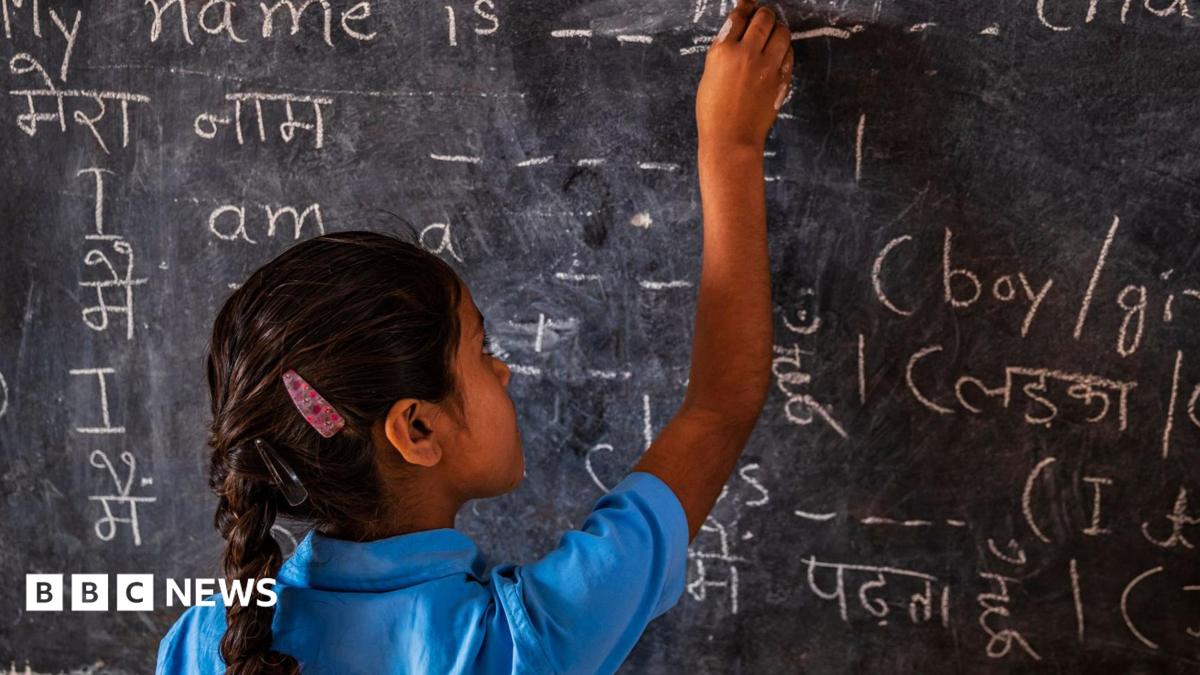
In the village of Khedi Kalan in Faridabad, a government primary school for girls stands as a grim testament to systemic neglect. While the exterior may appear freshly painted, the interior is decaying. Plaster falls from ceilings, half of the toilets are unusable, and several classrooms have been abandoned due to safety concerns and flooding during rains.
This reality is widespread across rural India. The Cockroach Janta Party (CJP), an online satirical movement that recently gained global prominence following the resignation of Education Minister Dharmendra Pradhan, has turned its attention to the education sector. Through their #SchoolThikKaro campaign, they aim to highlight the stark disparity between urban private schools and neglected rural government institutions.
Why This Matters
BozokMedia analysis shows that India's education spending is a critical bottleneck for national development. While India spends 4.1% of its GDP on education—meeting the bare minimum UNESCO threshold—it lags significantly behind nations like France, Germany, and Australia, which spend over 5%. Experts and the National Education Policy (NEP) have long advocated for a 6% investment to ensure equitable growth.
"Government schools, especially in rural India, have been neglected for many decades, depriving children of equal opportunities." - Abhijeet Dipke, CJP Founder
The scale of the crisis is underscored by official data revealing that 94,000 government schools have closed between 2014-15 and 2024-25. While some closures were part of streamlining efforts by Niti Aayog, the shift toward private education has left a massive void in the public schooling system, particularly for the most vulnerable populations.
| Country/Standard | GDP Spending on Education (%) |
|---|---|
| India | 4.1% |
| UNESCO Minimum | 4.0% |
| Global Leaders (e.g., US, Germany) | >5.0% |
| NEP Recommendation | 6.0% |
The movement has gained unprecedented momentum through social media. Students across India, from Maharashtra to Uttar Pradesh, are filming the dilapidated conditions of their schools and posting them online. In several instances, viral videos have forced local administrations to take immediate action, such as repairing roads and fixing school facilities.
Frequently Asked Questions
1. What is the main goal of the #SchoolThikKaro campaign?
The campaign seeks to pressure authorities to provide basic amenities like benches, clean water, functional toilets, and digital classrooms in government schools.
2. Why is the GDP spending on education so important?
Higher GDP allocation directly correlates with better infrastructure, higher teacher quality, and improved learning outcomes for students.