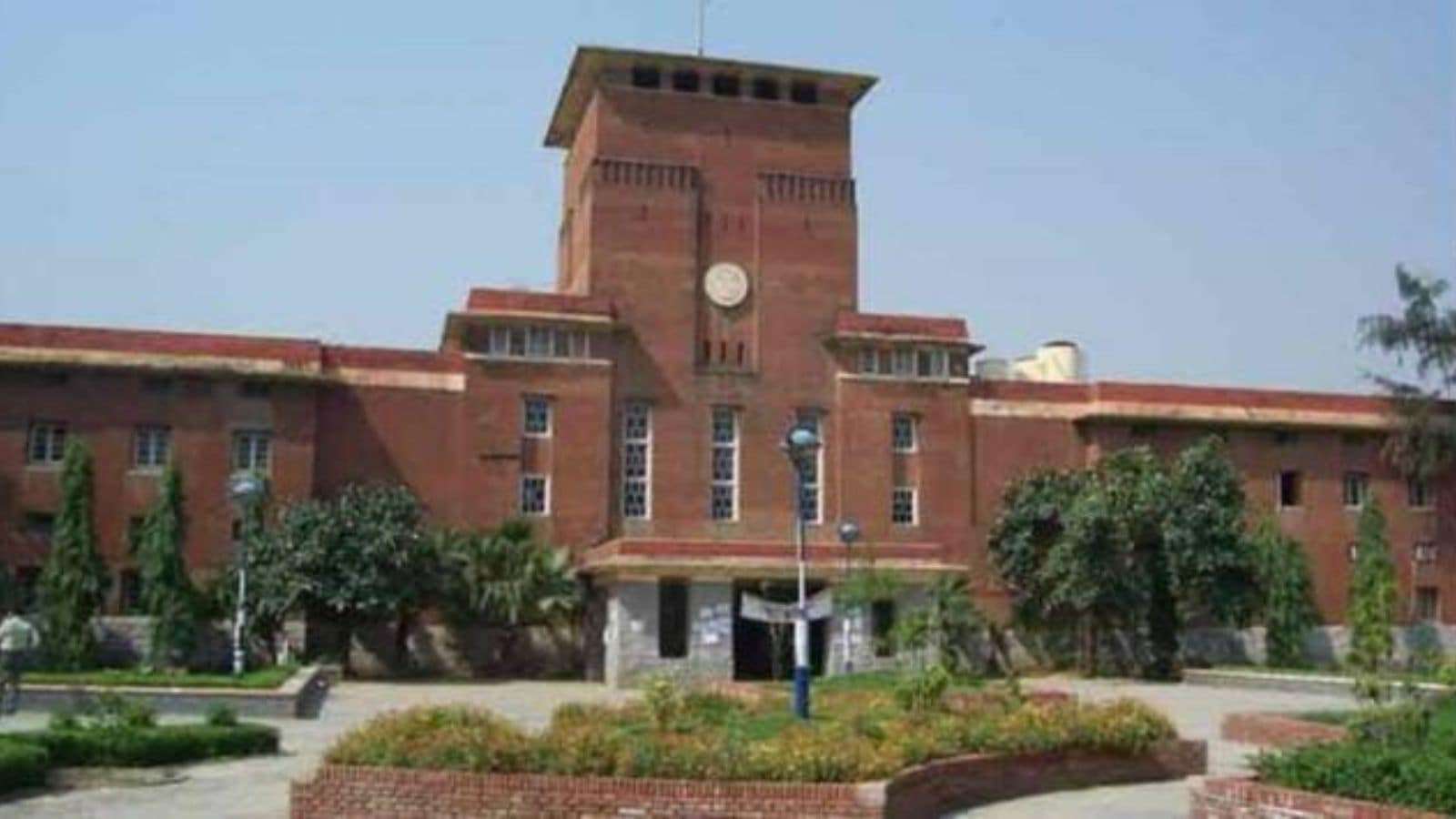
Under the PM-USHA scheme, students from four different nations explored India's rich heritage, traditional arts, and culinary diversity during a specialized course in Tirupati.
- Organized by Sri Padmavati Mahila Visvavidyalayam (SPMVV) under PM-USHA.
- Participants from Malaysia, Bangladesh, Taiwan, and Botswana.
- Focus on Indian heritage, yoga, Kalamkari art, and culinary traditions.
Sri Padmavati Mahila Visvavidyalayam (SPMVV) in Tirupati has launched a transformative initiative to bridge the cultural gap between overseas students and their Indian heritage. Through a specialized bridge course titled ‘Indian Heritage and Culture,’ organized under the Pradhan Mantri Uchchatar Shiksha Abhiyan (PM-USHA), the university has successfully brought global perspectives to local traditions.
The delegation comprised students from Malaysia, Bangladesh, Taiwan, and Botswana, including several of Indian origin living abroad. The curriculum was designed to offer a holistic understanding of India, moving beyond textbooks to provide a sensory and intellectual immersion into the nation's soul.
A Journey Through Art and Tradition
The students engaged in deep academic sessions covering topics such as 'The Discovery of India' and the role of languages and festivals in shaping culture. However, the true learning happened on the ground. The delegation visited Srikalahasti, a hub for the exquisite hand-painted Kalamkari art, and observed the intricate process of pattern creation.
At the TTD’s Shilpakalasala (sculpture school), students witnessed the mesmerizing transformation of raw granite into divine sculptures by master artisans. This practical exposure provided a profound understanding of India's architectural and sculptural legacy.
Why This Matters
BozokMedia analysis shows that such academic-cultural integration is vital for strengthening India's 'Soft Power.' By engaging the diaspora and international students through immersive experiences, India is effectively building a global network of cultural ambassadors who carry the essence of Indian values back to their respective nations.
The integration of traditional arts, yoga, and community engagement creates a multidimensional learning experience that transcends borders.
In addition to art, the students explored India's culinary landscape at the Indian Culinary Institute (ICI) in Yerpedu. They also participated in a community engagement program in Yerravaripalem village, where they interacted with local women, gaining firsthand insight into rural Indian life and social structures.
Frequently Asked Questions
1. What was the primary objective of the bridge course?
The objective was to connect international and diaspora students with Indian heritage, culture, and traditional arts.
2. Which government scheme supported this initiative?
The course was organized under the Pradhan Mantri Uchchatar Shiksha Abhiyan (PM-USHA).