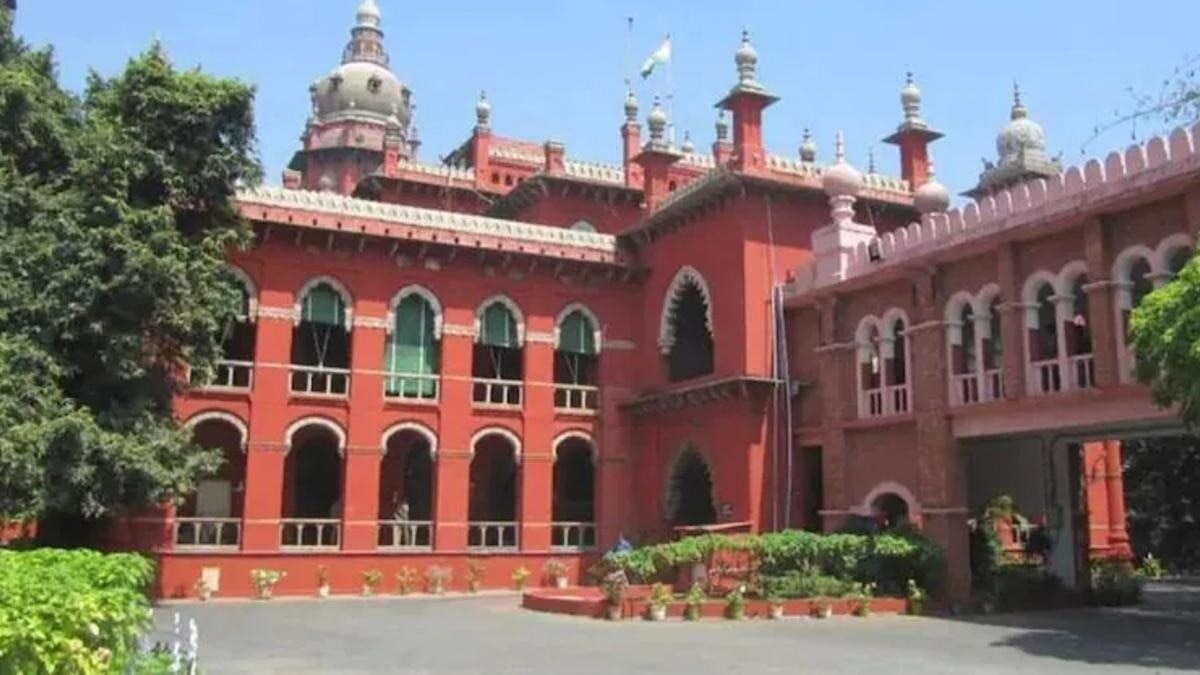
The Madras High Court has sought a detailed report from the Tamil Nadu government regarding the vacancy of Vice-Chancellors in 14 universities, raising concerns over institutional governance.
- 14 universities in Tamil Nadu are currently operating without regular Vice-Chancellors.
- Institutions are being managed by Registrars-in-charge and Convenor Committees.
- Justice B Pugalendhi has directed the Higher Education Department to explain the delays.
The Madras High Court has intervened in a matter of significant academic concern, demanding an explanation from the Tamil Nadu government as to why 14 universities across the state are functioning without regular Vice-Chancellors. The issue came to light during a legal challenge regarding the appointment of a temporary Registrar at Madurai Kamaraj University.
The Legal Spark
The controversy originated from a petition filed by A Velanganni Joseph, who sought a writ of quo warranto against the appointment of S Muthaiah as Registrar In-charge. While the court did not pursue the specific challenge against the individual, the proceedings revealed a much larger systemic crisis: the widespread absence of permanent Vice-Chancellors in the state's higher education landscape.
Governance Under Uncertainty
During the hearing, legal counsel informed the court that in the absence of regular VCs, these critical institutions are being steered by Registrars-in-charge and various Convenor Committees. This makeshift administrative structure has raised alarms regarding the legality and efficacy of major academic and financial decisions being taken at the university level.
The reliance on temporary committees to run premier educational institutions undermines the very foundation of academic leadership and institutional autonomy.
Why This Matters: BozokMedia Analysis
BozokMedia analysis shows that this administrative vacuum can lead to a paralysis of decision-making, affecting everything from faculty recruitment to student admissions and research funding. When universities function in a 'caretaker' mode, long-term academic vision is often sacrificed for short-term survival, potentially devaluing the degrees and research output of the state.
Historical Context of Academic Vacancies
In recent years, the appointment process for top academic officials in Tamil Nadu has faced scrutiny due to perceived political interference and procedural delays. This ongoing trend of vacancies in affiliating universities poses a direct threat to the thousands of colleges that depend on these central bodies for curriculum, exams, and certification.
Frequently Asked Questions
1. What is the main concern raised by the Madras High Court?
The court is concerned about how 14 universities are making critical decisions without the leadership of a regular Vice-Chancellor.
2. Who is currently managing these universities?
Most of these institutions are currently being managed by Registrars-in-charge and special Convenor Committees.