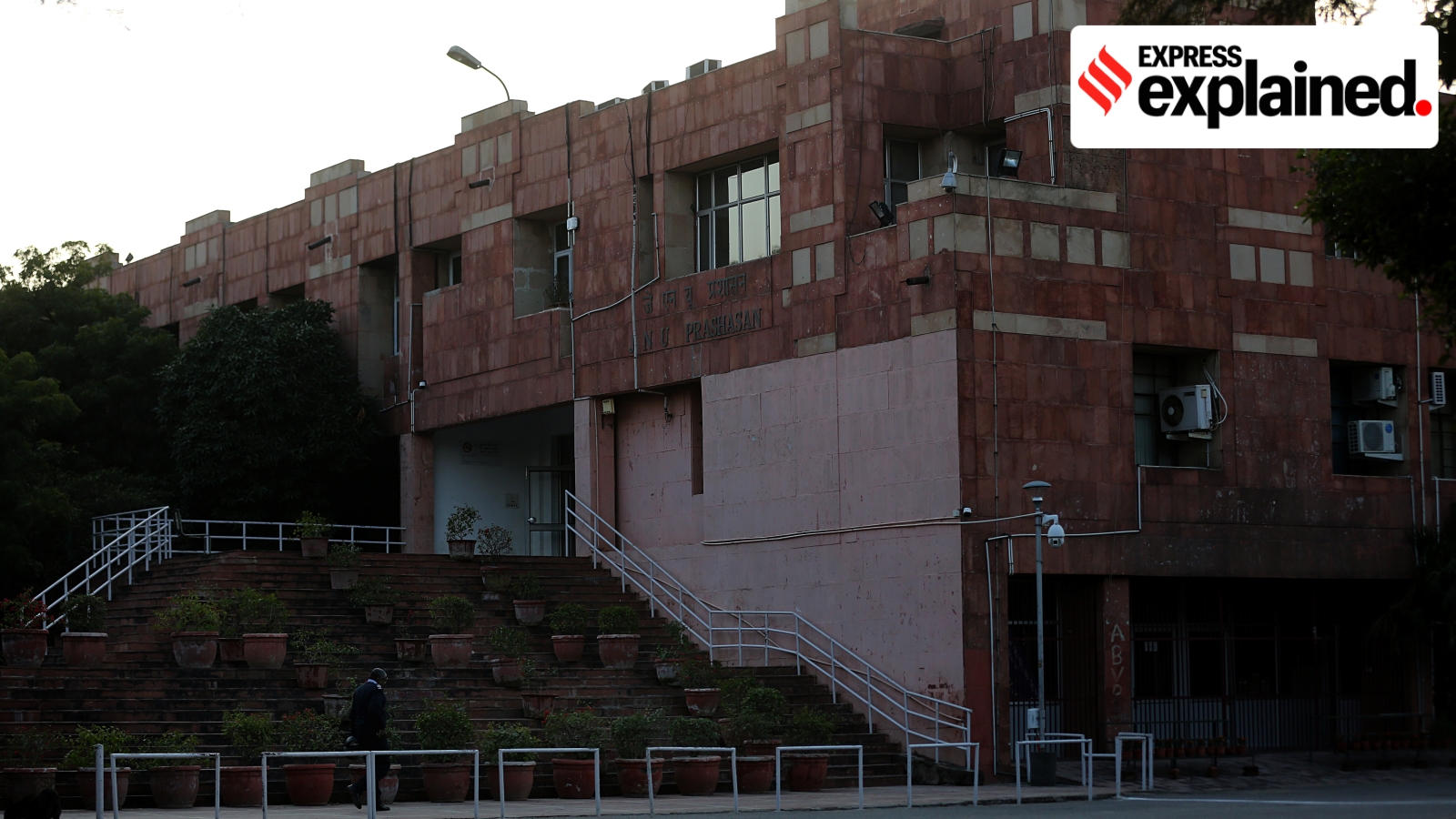
The Rajasthan government has admitted that 611 government schools in the state are operating without buildings, highlighting a massive infrastructure deficit in the education sector.
- 611 government schools in Rajasthan are operating without any dedicated building.
- A significant number of schools (2,047) lack toilets, while 1,049 lack drinking water facilities.
- The political tension escalated after a CJP team was reportedly attacked during a school inspection near Jaipur.
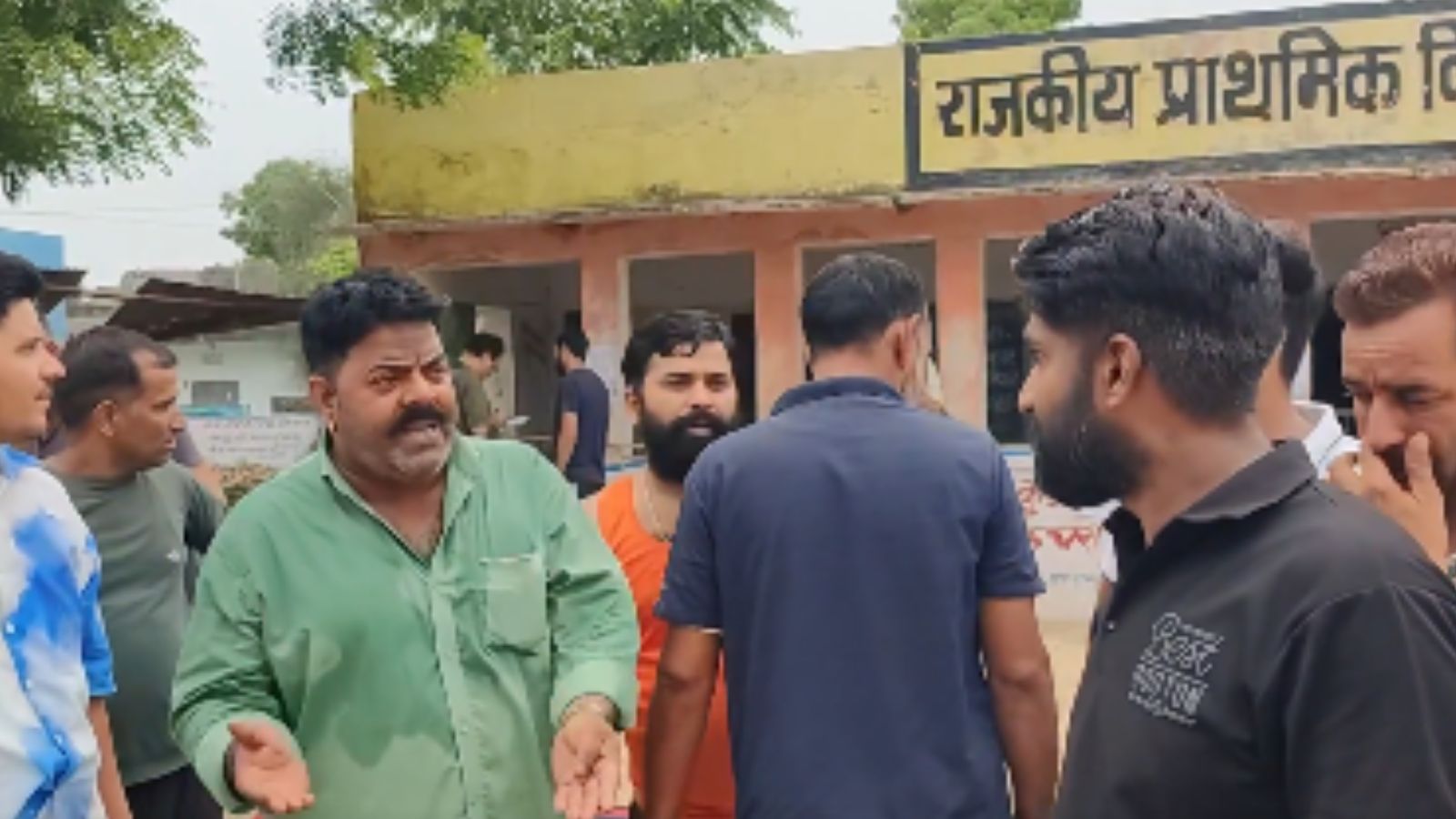
Jaipur: A massive infrastructure deficit in Rajasthan's education system has come to light following an admission by the state government. In a move that has triggered political unrest, the government confirmed that 611 government schools across the state are currently operating without their own buildings. This admission comes amidst a heated confrontation involving the Cockroach Janta Party (CJP) team, which was allegedly attacked while attempting to inspect a school in Bagru near Jaipur.
Education in Cowsheds
The crisis is not merely statistical; it is deeply human. In some areas, students are forced to study in makeshift enclosures. In Bagru, a school that was declared unsafe last year is reportedly being run from a temporary structure that also serves as a cowshed for buffaloes. This precarious situation poses significant health and safety risks to young learners and underscores the systemic failure in providing basic educational environments.
The Infrastructure Deficit by the Numbers
The scale of the problem extends beyond a lack of buildings. Even among the 64,484 government schools that possess buildings, the state of basic amenities is dire. According to official data, 2,047 schools lack toilet facilities, and 1,049 schools lack access to clean drinking water. The deficiency is most pronounced in tribal-dominated districts such as Banswara, Dungarpur, and Udaipur.
| Issue Category | Number of Schools Affected | Most Affected Districts |
|---|---|---|
| No Building | 611 | Jhalawar, Phalodi, Banswara |
| No Toilet Facilities | 2,047 | Banswara, Dungarpur, Udaipur |
| No Drinking Water | 1,049 | Dausa, Udaipur, Alwar |
Why This Matters
BozokMedia analysis shows that the lack of structural integrity and sanitation in schools directly correlates with higher dropout rates, particularly among female students. When schools are unsafe or lack hygiene, the fundamental right to education is compromised, hindering the state's long-term socio-economic development.
A school without a safe building is not an educational institution; it is a symbol of systemic neglect.
Government Response and Funding
Responding to the Leader of Opposition, Tika Ram Jully, the Rajasthan government stated that providing buildings and sanitation is a 'top priority.' The government has announced a budget of ₹550 crore for repairs and ₹450 crore for new constructions. Furthermore, a massive allocation of ₹12,500 crore is planned over the next five years to address dilapidated structures, sourced from various funds including the District Mineral Foundation Trust (DMFT).
Frequently Asked Questions
Question 1: Which district has the highest number of building-less schools?
Answer: Jhalawar district, specifically the Aklera block, has the highest number with 23 schools.
Question 2: Are girls' schools affected by this crisis?
Answer: Yes, out of the 611 schools without buildings, 10 are specifically girls' schools.