A comprehensive weekly current affairs quiz curated for UPSC Prelims 2027 aspirants. Covering vital topics like ethanol production trends, UN regional groupings, and judicial commissions with in-depth explanations.
- Understanding the shift from sugar to grain-based ethanol production in India.
- Mastering the regional group structures of the United Nations.
- Analyzing judicial reforms and the significance of the Shetty Commission.
For aspirants targeting the UPSC Civil Services Examination 2027, building a robust foundation through consistent current affairs analysis is non-negotiable. The UPSC Weekly Current Affairs Quiz for the period of August 16 to August 22 provides a structured approach to mastering complex topics through high-quality Multiple Choice Questions (MCQs).
The Shift in India's Biofuel Landscape
A critical highlight of this week's analysis involves the production of ethanol. Contrary to common misconceptions, the proportion of sugar used for ethanol production has seen a decline in the 2025-26 season compared to previous years. Instead, nearly three-fourths of India’s ethanol production is now derived from grains, particularly maize. This shift is a vital component of India's energy transition and agricultural economy.
Why This Matters
BozokMedia analysis shows that understanding the interplay between sugar prices, domestic output, and biofuel mandates is essential for the Indian Economy section of the UPSC syllabus. The government's move to diversify feedstock helps mitigate the impact of sugar supply fluctuations on energy goals.
The strategic pivot toward grain-based ethanol is a double-edged sword, balancing biofuel mandates with national food security imperatives.
Global Governance: The United Nations Structure
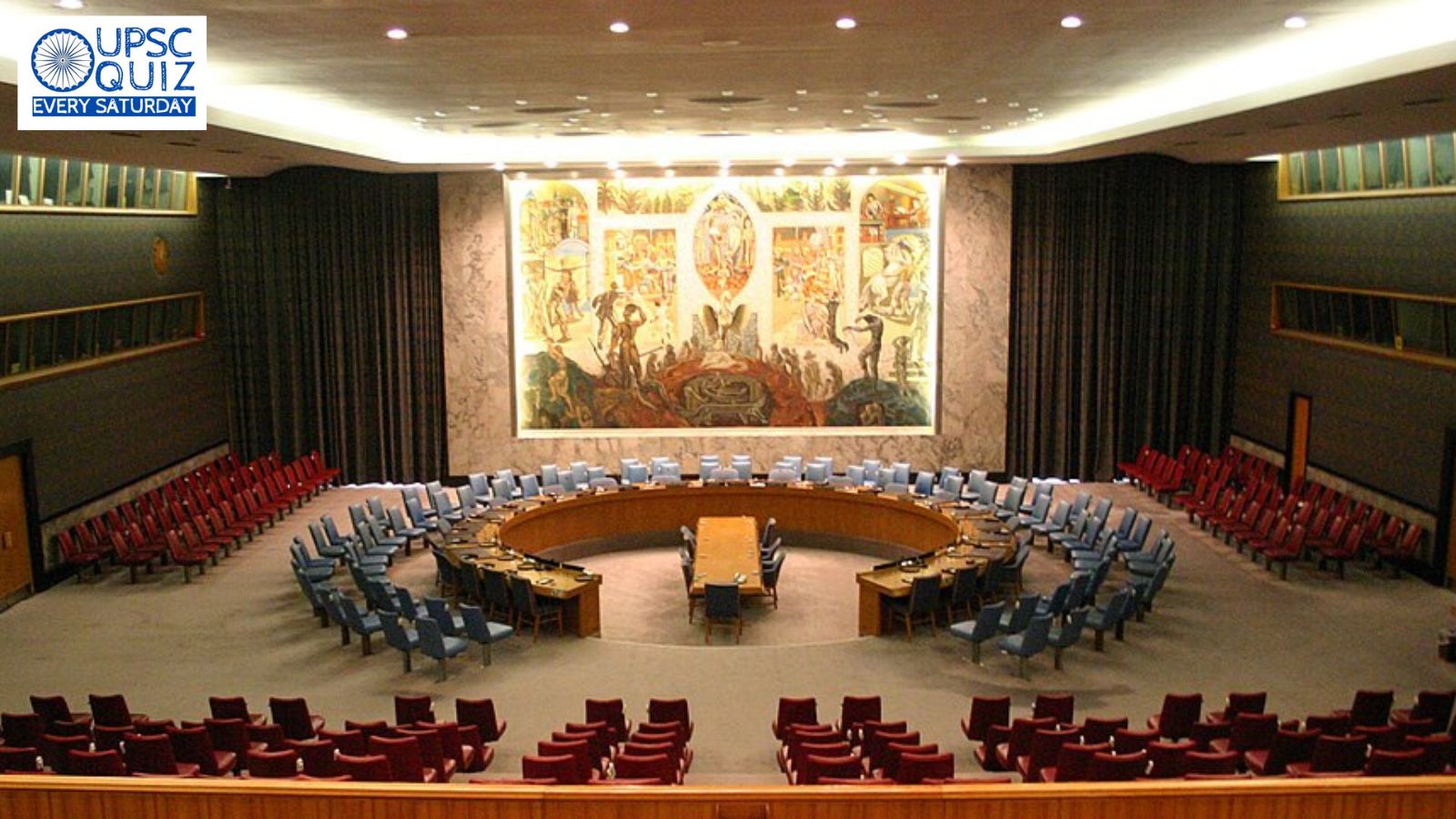
In the realm of International Relations, the institutional framework of the United Nations (UN) remains a recurring theme. As India campaigns for its seat on the United Nations Security Council (UNSC) for the 2028-29 term, candidates must be well-versed in the UN's regional distribution. The UN is organized into five distinct groups: Asia, Africa, Latin America, Eastern Europe, and Western Europe & Others (WEOG).
| UN Regional Group | Key Characteristics |
|---|---|
| Asia | Includes two non-permanent UNSC members |
| Africa | Holds three non-permanent UNSC seats |
| WEOG | Includes USA, Canada, Australia, and Israel |
Historical Background: The current structure of the UNSC, particularly the permanent membership (P5), is a direct legacy of the post-World War II geopolitical order, reflecting the power dynamics of the victorious Allied powers.
Frequently Asked Questions
1. What is the primary driver of ethanol production in India today?
While sugar was historically dominant, grains (especially maize) now account for nearly 75% of India's ethanol production.
2. How many regional groups exist within the United Nations?
The UN is divided into five main regional groups to ensure equitable representation.


