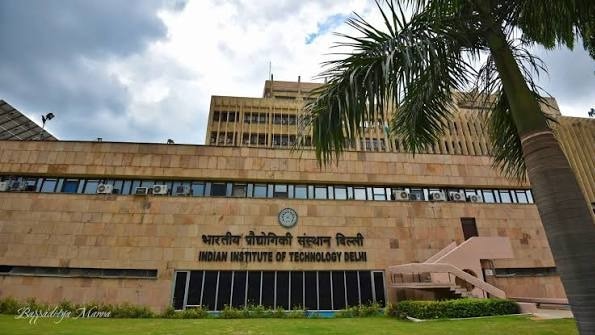
Following the death of 31‑year‑old MSc Physics student Rishikesh Kumar, IIT Delhi students staged a large‑scale protest demanding the resignation of senior officials, a Rs 1 crore compensation for the family, and an independent investigation. The movement highlights growing concerns over mental‑health support on Indian campuses.
- Rishikesh Kumar’s tragic death
- Students demand Rs 1 crore compensation
- Call for independent inquiry and senior resignations
Incident Overview
On the morning of August 22, 2026, 31‑year‑old MSc Physics student Rishikesh Kumar fell from the sixth floor of the Lecture Hall Complex at IIT Delhi. Delhi Police received a panic call at 8:33 a.m.; Kumar was rushed to the institute’s hospital where he was declared dead. No suicide note was found.
Students’ Demands
In a jointly‑circulated statement, students alleged that denial of hostel accommodation, lack of academic projects, and limited access to institutional resources left Kumar feeling isolated. They demand the resignation of the Head of the Physics Department, the Dean and Associate Deans of Student Welfare, a compensation of Rs 1 crore for Kumar’s family, and an independent inquiry covering housing allocation, project denial, and the role of the institute hospital.
The protesters also called for the cancellation of all classes in the Lecture Hall Complex on Monday, August 24, arguing that normal academic activities should not proceed after such a loss.
Historical Background
According to the students, eight IIT Delhi students have died by suicide in the last 30 months. Past investigations have repeatedly highlighted inadequate mental‑health counseling, opaque decision‑making in hostel and project allocations, and a perceived “moral profiling” by the Student Affairs Office.
Support from Wider Student Community
Members of the Jawaharlal Nehru University Students’ Union and the All India Students’ Association joined the protest, demanding transparency and institutional accountability. They stressed that Kumar’s death should be examined as a systemic failure rather than an isolated personal issue.
Why This Matters
BozokMedia analysis shows that the IIT Delhi episode underscores a systemic gap in Indian premier institutes’ mental‑health infrastructure, potentially affecting student enrollment, international reputation, and future policy reforms.
"If top institutions do not prioritize mental‑health support, tragedies like this are likely to recur," says psychologist Dr. Anju Sharma.
Frequently Asked Questions
Q1: Has an official investigation report been released?
A: No, students are still pressing for an independent probe and have not received a formal response from the administration.
Q2: Are protesters facing any disciplinary action?
A: The institute has not announced punitive measures against participants, but the situation remains closely monitored.