The National Testing Agency has announced the NEET UG 2026 results, with 11.21 lakh students qualifying for medical admissions. Punjab's Aryan Gupta and Haryana's Panshul Bansal have secured the top rank with a score of 715 out of 720, marking a significant milestone in this year's medical entrance examination.
Key Takeaways
- 11.21 lakh candidates qualify out of nearly 20 lakh applicants for NEET UG 2026.
- Aryan Gupta (Punjab) and Panshul Bansal (Haryana) share the top rank with 715/720 marks.
- Female candidates dominate the results, comprising over 58% of the total qualified students.
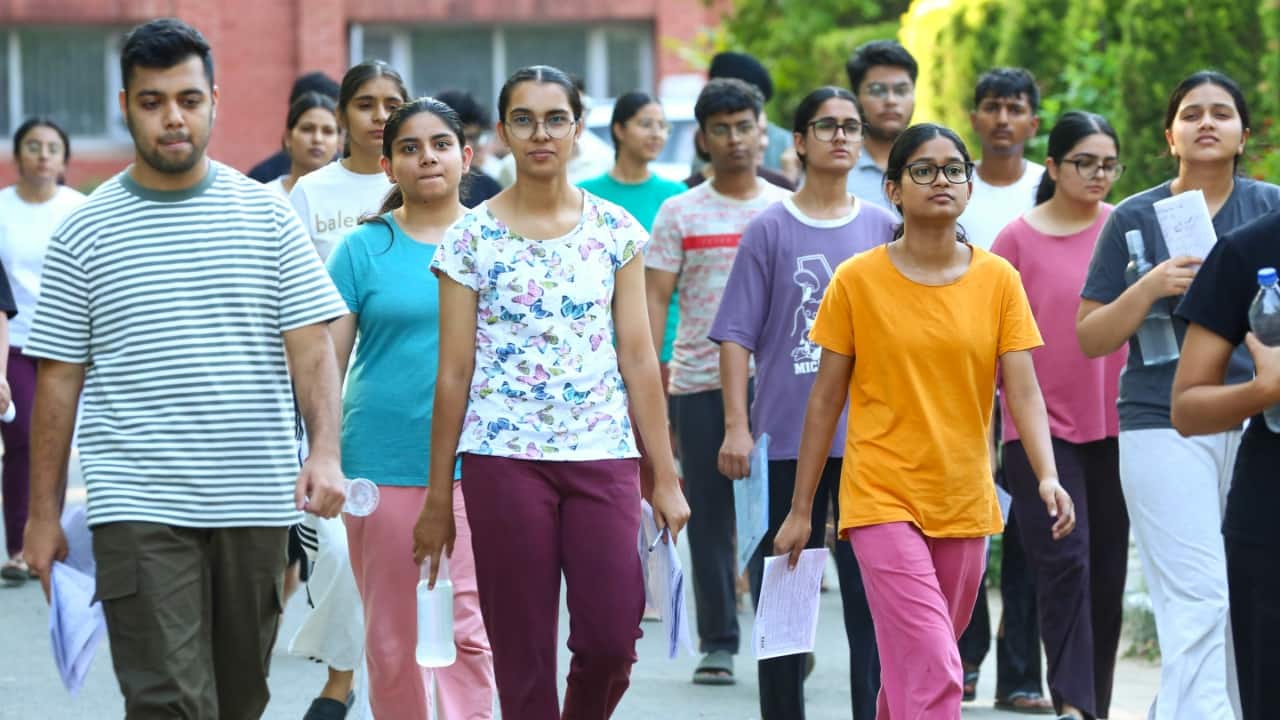
The National Testing Agency (NTA) officially declared the results for the NEET (UG) 2026 examination on Thursday, paving the way for admissions to undergraduate medical, dental, AYUSH, and allied courses across India. A staggering 11.21 lakh candidates have successfully qualified, having competed against nearly 20 lakh applicants who appeared for the test. The examination was conducted across a massive network of 5,440 centres spread over 551 cities within India and 14 international cities, showcasing the colossal scale of this academic assessment.
Top Performers and Academic Excellence
This year's results have witnessed a remarkable tie for the top spot. Aryan Gupta from Punjab and Panshul Bansal from Haryana have shared the national top honours, each securing an impressive score of 715 out of 720. The competition at the apex level was intense, with a total of 19 candidates crossing the prestigious 700-mark threshold. Furthermore, nearly 1,500 students scored 650 or above, indicating a high level of preparedness among the aspirants seeking entry into the country's premier medical institutions.
Demographic Shifts and Gender Parity
A deep dive into the data reveals a encouraging trend for gender parity in the medical field. Women constituted more than 58 per cent of all qualified candidates this year, clearing the exam at a slightly higher rate than their male counterparts—56.8 per cent compared to 55.1 per cent. The majority of high performers were first-time aspirants aged between 17 and 19. Notably, over 93 per cent of the 138 candidates who scored above 690 were attempting the exam for the very first time, underscoring the effectiveness of current preparation methodologies for fresh students.
Geographic Diversity and Inclusivity
Success stories have emerged from every corner of the nation, covering all 36 states and union territories. While Uttar Pradesh led with over 1.7 lakh qualifiers, remote regions like Lakshadweep and the Andaman & Nicobar Islands also produced notable toppers such as Fahmida Anees and Dhruv Tripathi. The examination's inclusivity was further highlighted by its conduct in 13 different languages, ensuring accessibility for students from diverse linguistic backgrounds. With the results now out, the counselling schedule is set to proceed, ensuring the academic calendar remains on track for the upcoming session.