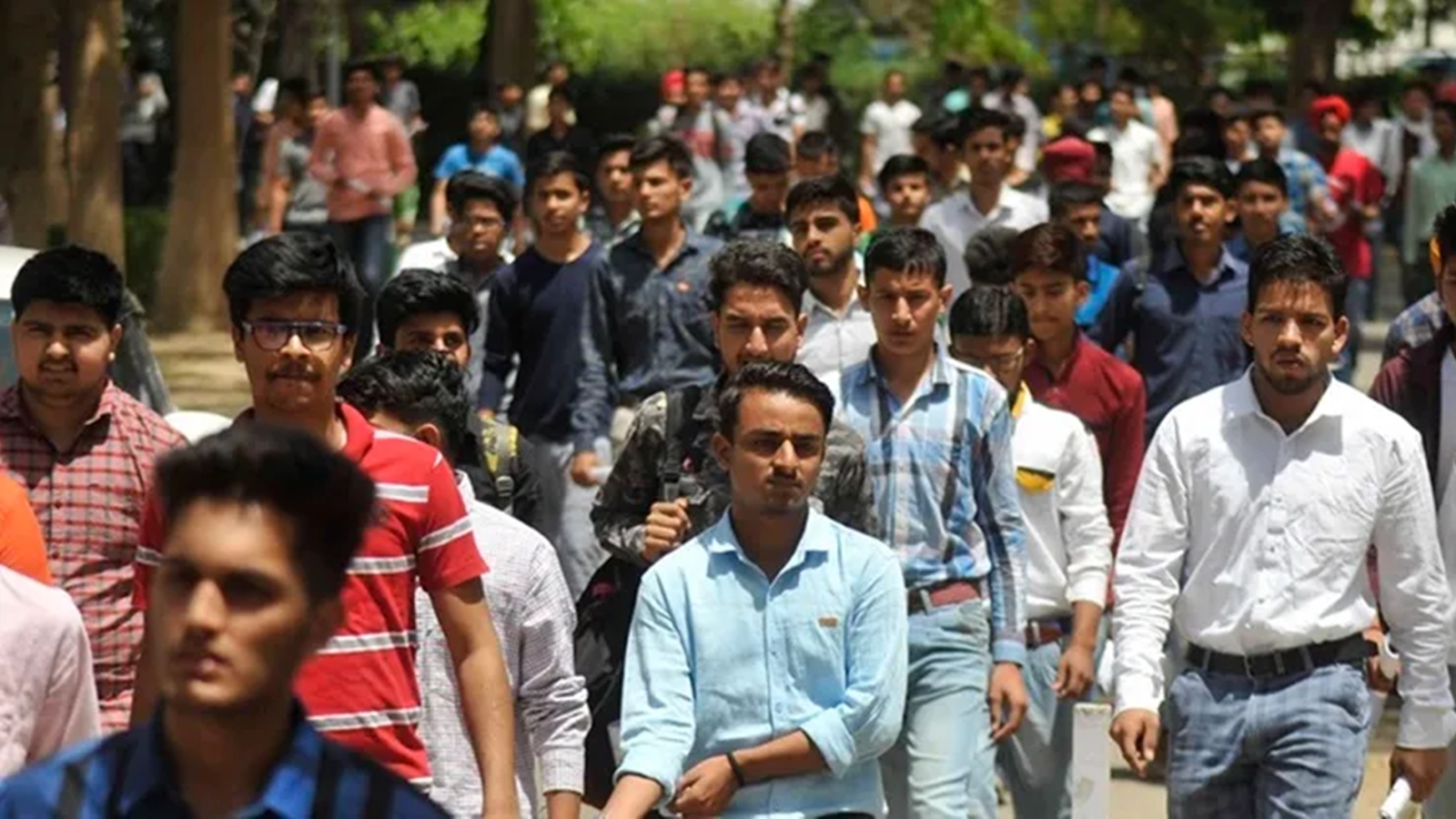
A new NITI Aayog report reveals that generic degrees such as BA, B.Sc and B.Com offer poor employment connections, with over 90% of graduates working in roles unrelated to their studies. Graduate unemployment stands at 13%, far above the national average, underscoring the urgency for skill‑focused reforms.
- Graduate unemployment hits 13%, with 20.4% among women.
- BA, B.Sc, B.Com degrees show weak direct job linkages.
- Urgent shift to specialised, skill‑aligned programmes is needed.
Key Findings of the Report
The NITI Aayog report “Reimagining Skilling for Viksit Bharat” states that only 8.25% of graduates are employed in roles that match their qualifications. Data from the Economic Survey 2024‑25 shows graduate unemployment at 13%, compared with a national rate of 3.2%.
Weak Job Linkages of Generic Degrees
Out of 34 million undergraduate enrolments, 11.3 million are in BA alone, and combined enrolment in BA, B.Sc and B.Com exceeds 20 million. These programmes rarely translate into direct employment, exacerbating youth unemployment.
Historical Background
The education‑employment gap has persisted for decades. Azim Premji University’s “State of Working India” report notes that unemployment among graduates aged 25‑29 rose from 12% in 1983 to 20% in 2023, highlighting a long‑term structural issue.
Why This Matters
BozokMedia analysis shows that without a swift shift toward sector‑specific curricula—such as green industries, electric vehicles, and apprenticeships—India’s young workforce will continue to under‑perform economically and lose ground in global competition.
Dr. Anil Kumar, labour economist: “Skill integration is the missing link; without it, graduates will remain trapped in under‑employment.”
Social Stigma Around Skilling
The report highlights deep‑seated stigma against vocational training. Families often prioritize exam scores over aptitude, viewing ITIs and diploma courses as “second‑tier” options, which discourages many from pursuing technical pathways.
Salary Gap and the Impact of Skilling
Boston Consulting Group’s survey indicates that generic degree holders without skilling earn an average starting salary of ₹22,000 per month, versus ₹29,000 for those with additional skill training. Over ten years, this gap can amount to a cumulative income difference of ₹9.7 lakh.
Frequently Asked Questions
Q1: Can students in generic degree programmes switch to specialised, skill‑based courses?
A: Yes, many universities now offer integrated skill modules, allowing students to combine their core degree with practical training.
Q2: What initiatives has the government launched to address this issue?
A: The government is investing in skilling infrastructure, expanding apprenticeship programmes, and running awareness campaigns to promote alternative education pathways.