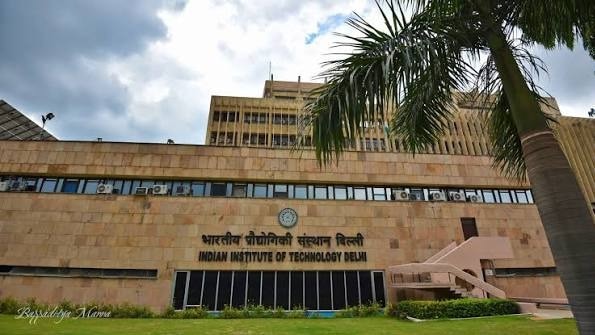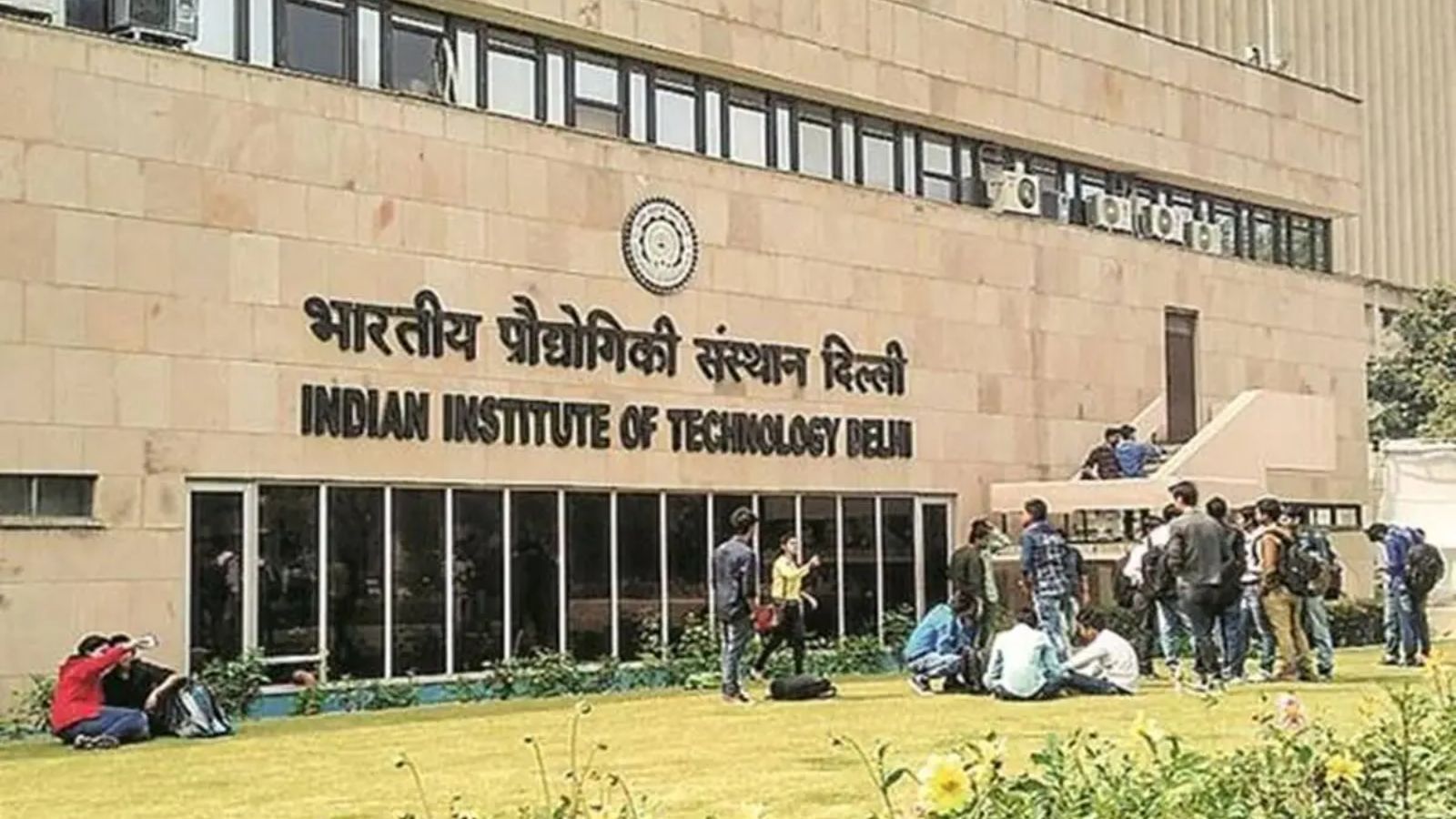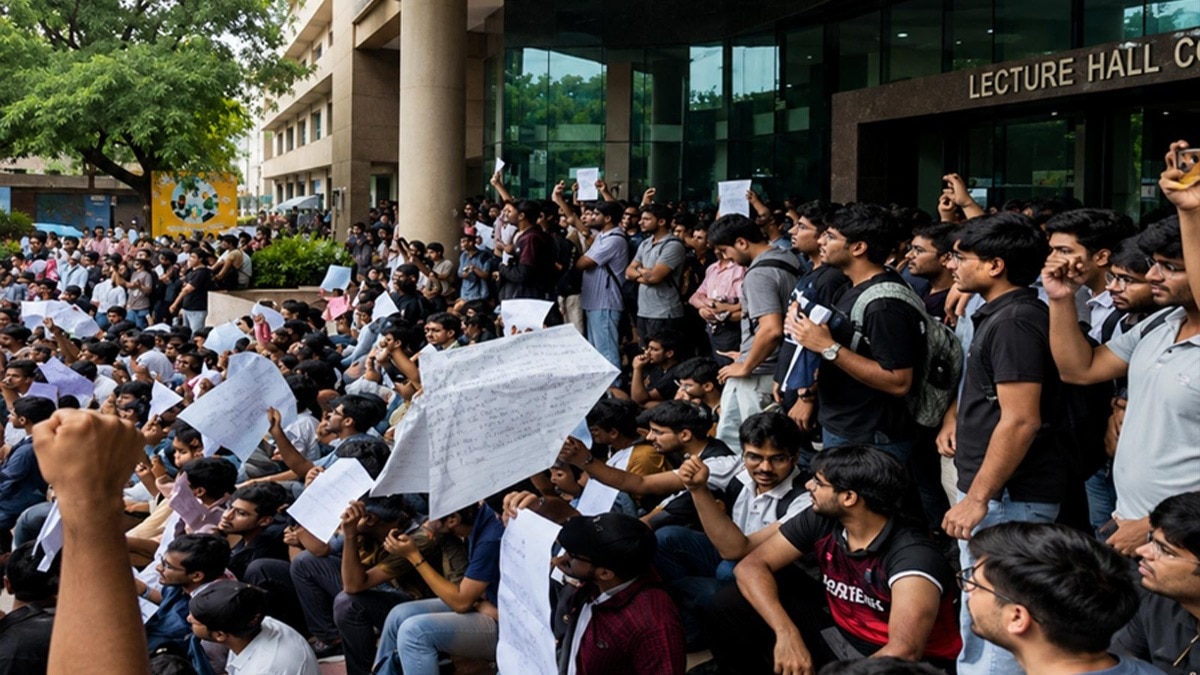
Following the tragic suicide of MSc Physics student Rishikesh Kumar, IIT Delhi has announced an external probe and new mental health measures amidst intense student protests demanding administrative accountability.
- MSc Physics student Rishikesh Kumar's death triggers massive unrest at IIT Delhi.
- An external probe committee featuring ex-DGP and AIIMS experts has been formed.
- Students demand the resignation of the Dean and HOD, plus ₹1 crore compensation.
- Institute announces a new 'Mentor System' and an 'Ombudsperson' post for student grievances.
New Delhi: The atmosphere at the prestigious IIT Delhi remains tense following the death of 31-year-old MSc Physics student Rishikesh Kumar. In response to widespread student protests demanding accountability and a transparent investigation, the institute's Director, Prof. Ranjan Banerjee, has announced the formation of an external inquiry committee. While the institute has moved to address several student demands, it has remained conspicuously silent on the high-profile demand for the resignation of the Dean of Student Affairs.
Composition of the External Inquiry Committee
To ensure credibility, the institute has appointed a high-level committee comprising distinguished experts. The panel includes former Uttarakhand DGP Ashok Kumar, Prof. Pratap Sharma (Head of Psychiatry at AIIMS Delhi), student representatives, and the Registrar of IIT Delhi. The committee is mandated to investigate all aspects surrounding Rishikesh Kumar's death and is expected to submit its findings within two weeks.
Institutional Reforms and Financial Aid
In an attempt to mitigate the unrest, the administration has promised significant reforms. This includes the establishment of a new 'Ombudsperson' position to handle student complaints and a dedicated 'Mentor System' to support students facing mental health challenges. Furthermore, the institute has committed to reimbursing medical expenses and providing financial assistance to the victim's family through its 'Benevolent Fund' and a newly proposed voluntary fund.
Why This Matters
BozokMedia analysis shows that this incident underscores a systemic crisis within India's elite technical institutions regarding student mental health and administrative responsiveness. The gap between institutional protocols and the actual lived experiences of students remains a critical vulnerability that requires more than just investigative committees to fix.
The refusal to address leadership accountability while offering administrative reforms suggests a strategy of containment rather than genuine systemic reform.
Historical Background: The Mental Health Crisis in Academia
The tragedy at IIT Delhi is not an isolated event. Over the last decade, premier Indian institutes like the IITs and medical colleges have witnessed a distressing trend of student suicides. Factors such as extreme academic pressure, the stigma surrounding mental health, and the inadequacy of on-campus support systems have been identified as primary drivers of this growing crisis.
Frequently Asked Questions
1. What are the students demanding?
Students are demanding the immediate resignation of the Dean of Student Affairs, Associate Deans, and the Physics HOD, along with ₹1 crore compensation for the family.
2. Who is investigating the case?
An external committee including former DGP Ashok Kumar and AIIMS expert Prof. Pratap Sharma is conducting the probe.