As loneliness among India's elderly reaches a breaking point, experts argue that the solution lies in reforming classrooms to teach empathy and community responsibility.
- Rising isolation among India's elderly highlights a deep-rooted social crisis.
- Current education models prioritize career skills over character and empathy.
- Implementing models like Japan's 'Tokkatsu' can foster social responsibility early.
- Mandatory community service and elderly interaction should be part of academic grading.
Two harrowing reports—the death of an elderly man in a Haryana old-age home whose family could only attend his funeral via video call, and the discovery of a woman's skeletal remains in Bengaluru—serve as a grim wake-up call. These are not isolated incidents of family neglect; they are symptoms of a systemic loneliness crisis in a nation that prides itself on ancient civilizational values.
The rot lies in the shifting cultural mood. Ageism is no longer just a personal bias but an ambient cultural trend among the younger generation, where aging is often equated with irrelevance rather than wisdom. This disconnect begins in the classroom, where the focus is almost exclusively on academic competition, leaving little room for the cultivation of empathy.
Why This Matters
BozokMedia analysis shows that as India undergoes rapid urbanization and demographic shifts, the traditional family support structures are eroding. Without a conscious effort to integrate emotional intelligence into the formal education system, the social fabric of the country faces a long-term threat of fragmentation and isolation.
Education must shape character long before it shapes careers, or we risk raising a generation that is technologically advanced but emotionally bankrupt.
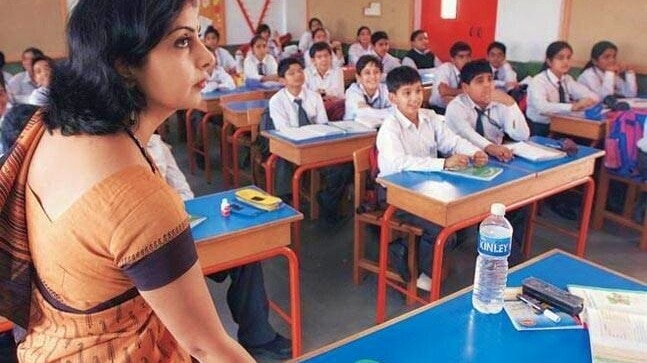
To reverse this trend, India must look toward structured pedagogical shifts. At the primary level, adopting Japan’s 'Tokkatsu' system—where children engage in collective tasks like cleaning and serving meals—could instill a sense of shared responsibility and service from an early age.
In higher education, the role of literature and narrative cannot be overstated. By engaging with stories that depict the struggles of the neglected, students can develop a 'borrowed empathy' that translates into real-world compassion. Literature provides a safe space to witness suffering, making it harder to ignore in reality.
Crucially, regulatory bodies like AICTE and UGC must move beyond mere suggestions. They should mandate structured, graded interactions with the elderly—such as documented visits or conversational exchanges—as measurable learning outcomes. Under the National Education Policy (NEP) 2020, community service is already a goal; making it a graded requirement would ensure it is practiced rather than just recited.
Frequently Asked Questions
1. Can empathy actually be taught in schools?
Yes, through repetitive practical activities, community service, and narrative-based learning, empathy can be developed as a measurable skill.
2. How does the NEP 2020 address social responsibility?
The NEP 2020 emphasizes holistic learning and community engagement, providing a framework that can be expanded to include structured elderly interaction.