A comprehensive guide for UPSC 2026 aspirants focusing on India's pragmatic engagement with Central Asia and the Supreme Court's judicial interpretation of 'industry' in labor laws.
- India must transition from historical/civilizational affinity to a pragmatic, interest-based approach with Central Asia.
- The Supreme Court's verdict on the definition of 'industry' seeks to balance worker protections with modern economic shifts.
- Strategic focus areas include digital public infrastructure, energy security, and connectivity through Chabahar.
As aspirants prepare for the UPSC Civil Services Mains Exam 2026, the current academic focus shifts toward the complexities of GS Paper 2. This week's practice highlights two critical pillars of governance: International Relations and the Judiciary's role in socio-economic regulation.
Geopolitics: Moving Beyond Civilizational Romance
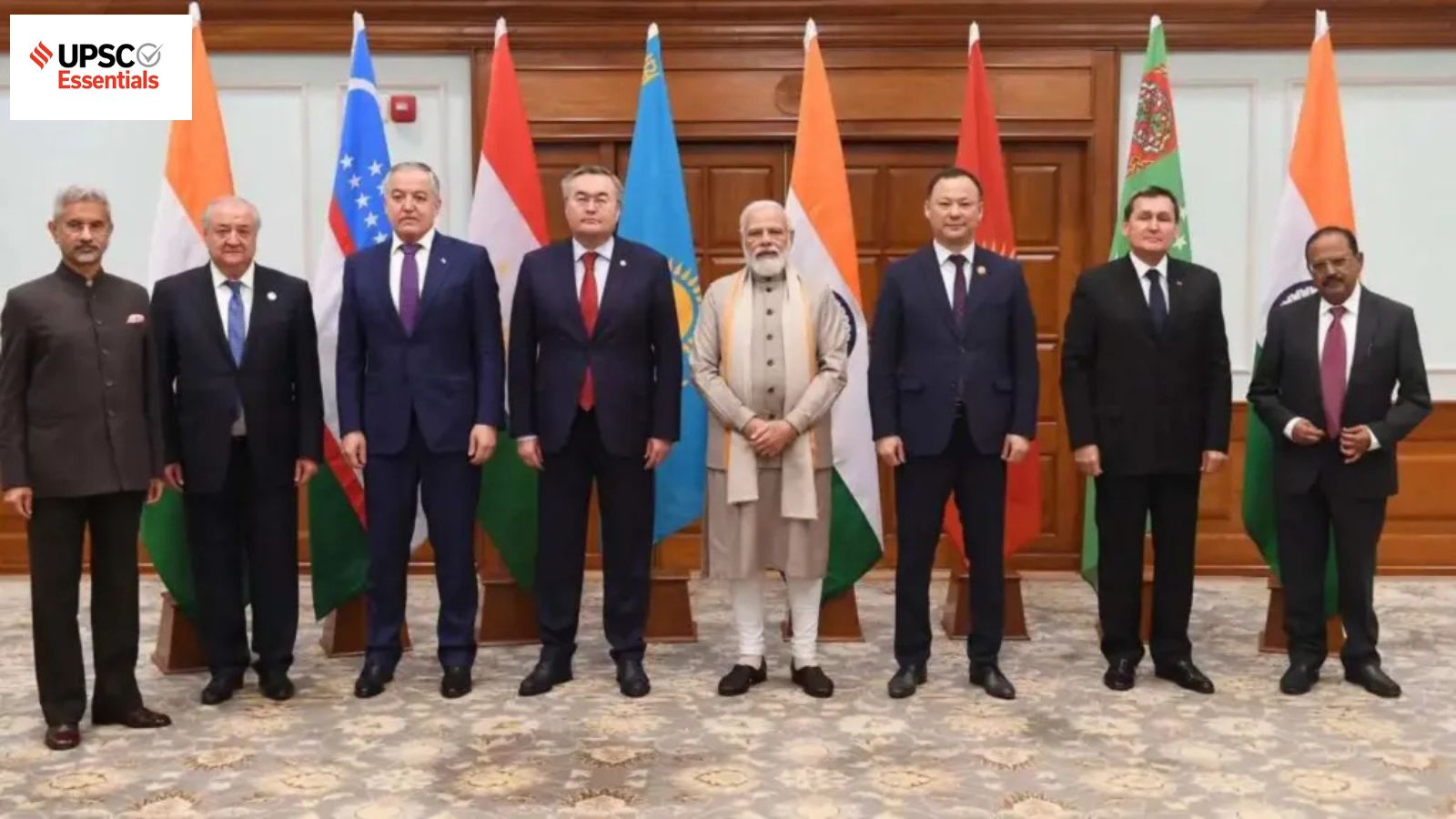
For decades, India's relationship with the Central Asian Republics (CARs) has been anchored in shared history and culture. However, in an era dominated by China's Belt and Road Initiative (BRI) and Russia's enduring security influence, historical affinity is no longer sufficient. BozokMedia analysis shows that India requires a more realist approach to secure its strategic and economic interests in Eurasia.
India cannot compete solely on massive infrastructure spending; it must leverage its strengths in digital public infrastructure, pharmaceuticals, and IT.
The lack of direct overland access via Pakistan necessitates a heavy reliance on the Chabahar Port and the International North-South Transport Corridor (INSTC). To bridge the gap between diplomatic warmth and actual commerce—which currently sits at a modest $2 billion—India must prioritize energy cooperation, specifically in uranium, oil, and gas.
The Judiciary and the Evolution of 'Industry'
The second critical area involves the Supreme Court of India's recent interpretation of the term 'industry' within labor legislation. As the global economy shifts toward digital platforms and decentralized work models, the legal definition of an industrial establishment must evolve. The Court's challenge is to protect labor rights without stifling the agility required by modern economic activities.
Why This Matters
These topics are central to understanding India's trajectory as a rising global power. A pragmatic Central Asia policy ensures energy and security stability, while a balanced judicial approach to labor laws ensures social justice in an increasingly complex market economy.
| Feature | Historical Approach | Pragmatic Approach (Recommended) |
|---|---|---|
| Primary Driver | Cultural/Civilizational Affinity | Economic & Strategic Interests |
| Focus Area | Diplomatic Ties | Digital Infra, Energy, & Connectivity |
| Economic Goal | Symbolic Engagement | Increased Trade Volume & Resource Access |
Frequently Asked Questions
1. Why is India's approach to Central Asia changing?
The rise of China's economic influence and the need for energy security require India to move from cultural ties to interest-based realism.
2. What is the core issue in the Supreme Court's 'industry' verdict?
The core issue is defining 'industry' in a way that covers modern economic activities while upholding the rights of workers.