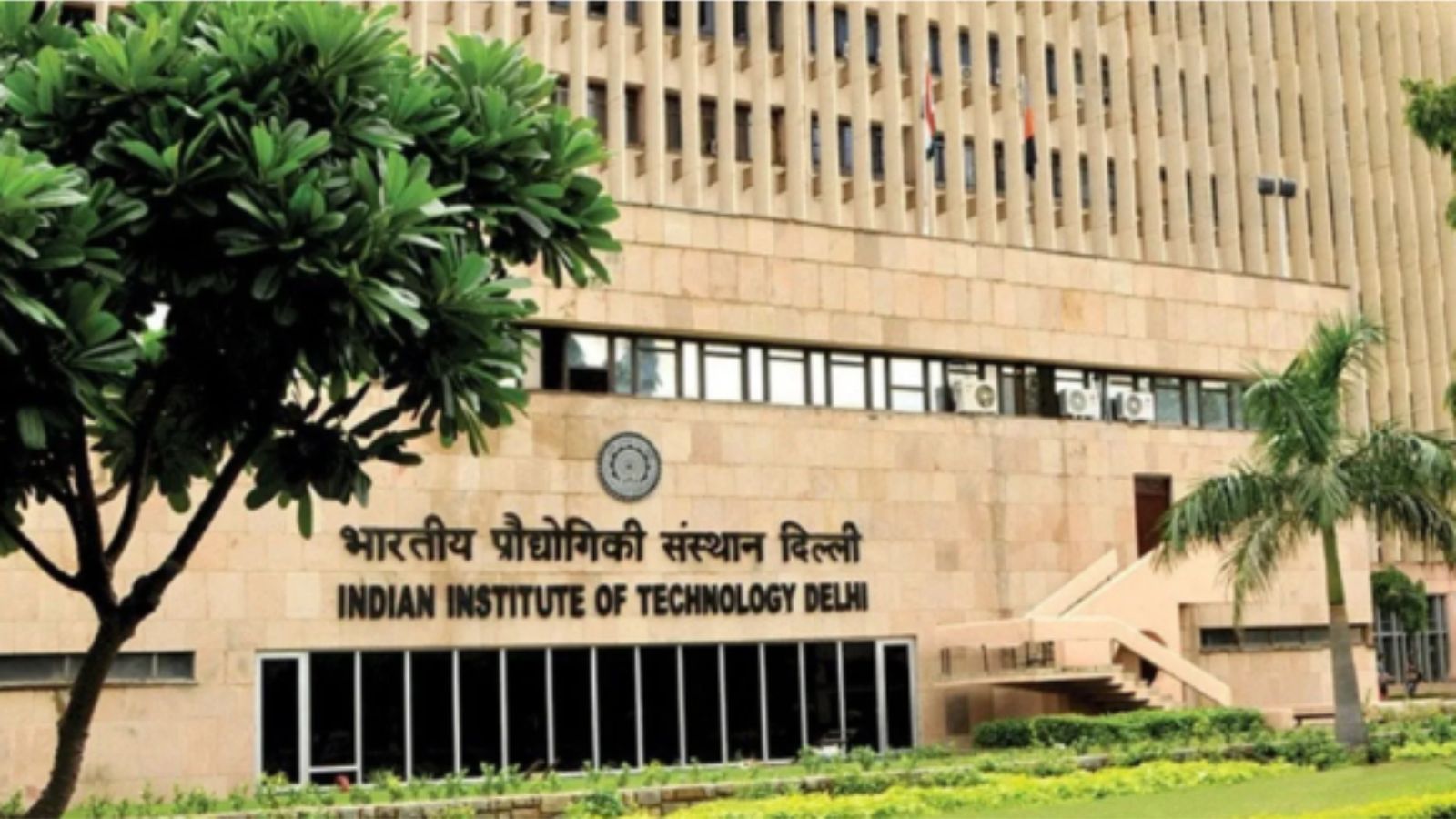
Following recent campus tragedies, IIT Delhi has outlined a comprehensive welfare framework focusing on mental health, academic flexibility, and inclusivity to support its student community.
- 24/7 access to psychiatrists and counselors from AIIMS and VIMHANS.
- Reduction in academic credit load and introduction of life-skills courses.
- Full reimbursement for external mental healthcare services.
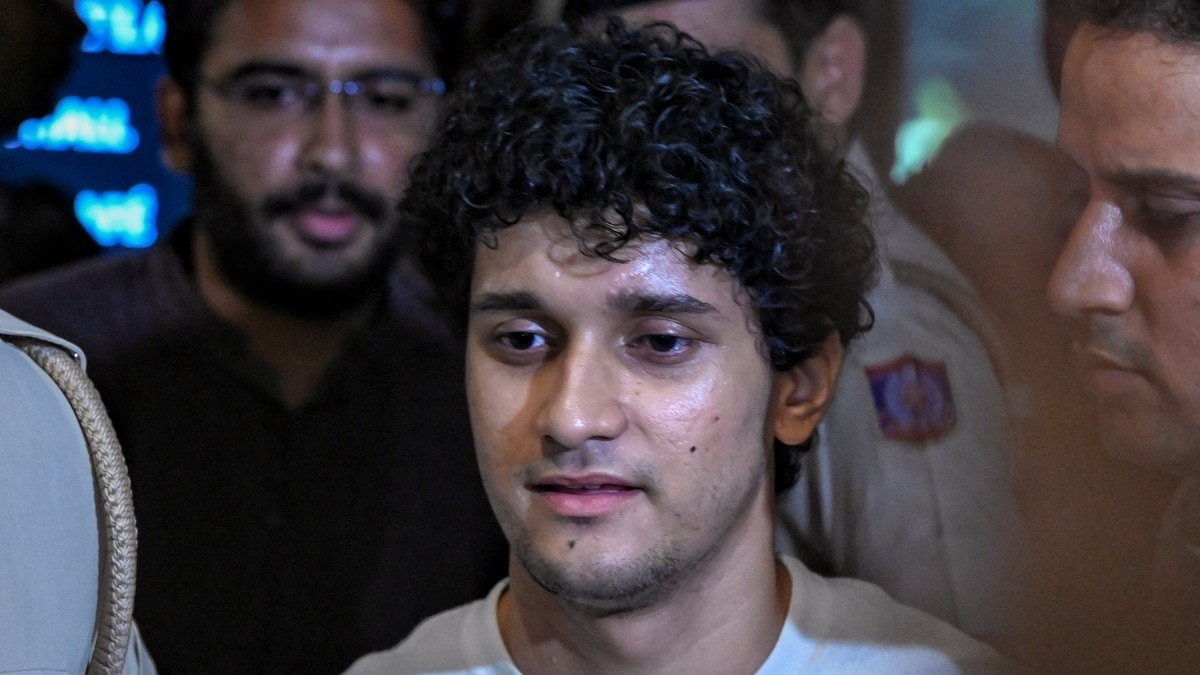
New Delhi: The Indian Institute of Technology (IIT) Delhi on Wednesday issued a profound statement asserting that student well-being is a "fundamental prerequisite" for a healthy campus environment. This declaration comes in the wake of recent protests and the tragic death of a student on campus, highlighting an urgent need for institutional reform and psychological support systems.
In an effort to address academic and mental pressures, the institute has detailed several structural changes. A new curriculum, rolled out in 2025, has significantly reduced the credit load for first-semester students and integrated essential life-skills courses. To further mitigate academic stress, first-year departmental classes are now capped at a maximum of 60 students, ensuring more personalized attention and less overwhelming environments.
Why This Matters
BozokMedia analysis shows that the high-pressure environment of premier technical institutes in India often leads to severe mental health crises. IIT Delhi's proactive approach in institutionalizing wellness—rather than treating it as an afterthought—sets a critical precedent for higher education institutions across the country.
Institutionalizing mental health support is no longer optional; it is a core component of academic excellence.
A standout feature of the institute's welfare policy is the mental health support system. Students have 24/7 access to professional counselors and psychiatrists, including specialists from renowned institutions like AIIMS and VIMHANS. Importantly, IIT Delhi has committed to fully reimbursing the costs of external mental healthcare, removing financial barriers to seeking help.
Historically, the struggle with academic rigor in IITs has been a long-standing issue. While the National Resource Centre for Value Education in Engineering (NRCVEE) has promoted yoga and meditation since 2001, the current measures go much deeper into systemic changes, such as the removal of minimum CGPA requirements for BTech degrees starting from the 2024-25 session.
| Focus Area | Implemented Measures |
|---|---|
| Academic Load | Reduced credits, capped class sizes, minimized weekend exams |
| Mental Health | 24/7 expert access, full cost reimbursement |
| Inclusivity | Office of Diversity and Inclusion (ODI), sensitization programs |
Frequently Asked Questions
Question 1: How does IIT Delhi handle academic backlogs?
Answer: The Academic Progress Group (APG) provides evening tutoring and credit-backlog support to students facing difficulties.
Question 2: What measures are taken against discrimination?
Answer: The Office of Diversity and Inclusion (ODI) and various sensitization initiatives (IGES, ICE) work to address biases related to caste, gender, and ethnicity.