Prepare for the UPSC Prelims 2027 with a deep dive into this week's critical current affairs, covering glacial collapses, defense technology, and strategic treaties. This comprehensive guide provides MCQs and detailed analytical explanations for aspirants.
- Detailed analysis of glacial collapse mechanisms and their impact on Himalayan ecology.
- Strategic overview of the Javelin anti-tank guided missile system and India-US defense ties.
- Focus on multidisciplinary preparation linking geography, science, and international relations.
As the UPSC Civil Services Examination (CSE) Prelims 2027 approaches, the necessity of building a robust conceptual foundation becomes paramount. Current affairs are not merely about facts but about understanding the 'why' and 'how' behind global and national events. This weekly curation focuses on high-yield topics that intersect with the UPSC syllabus, ensuring aspirants develop a holistic perspective.
Understanding Glacial Collapse and Environmental Hazards
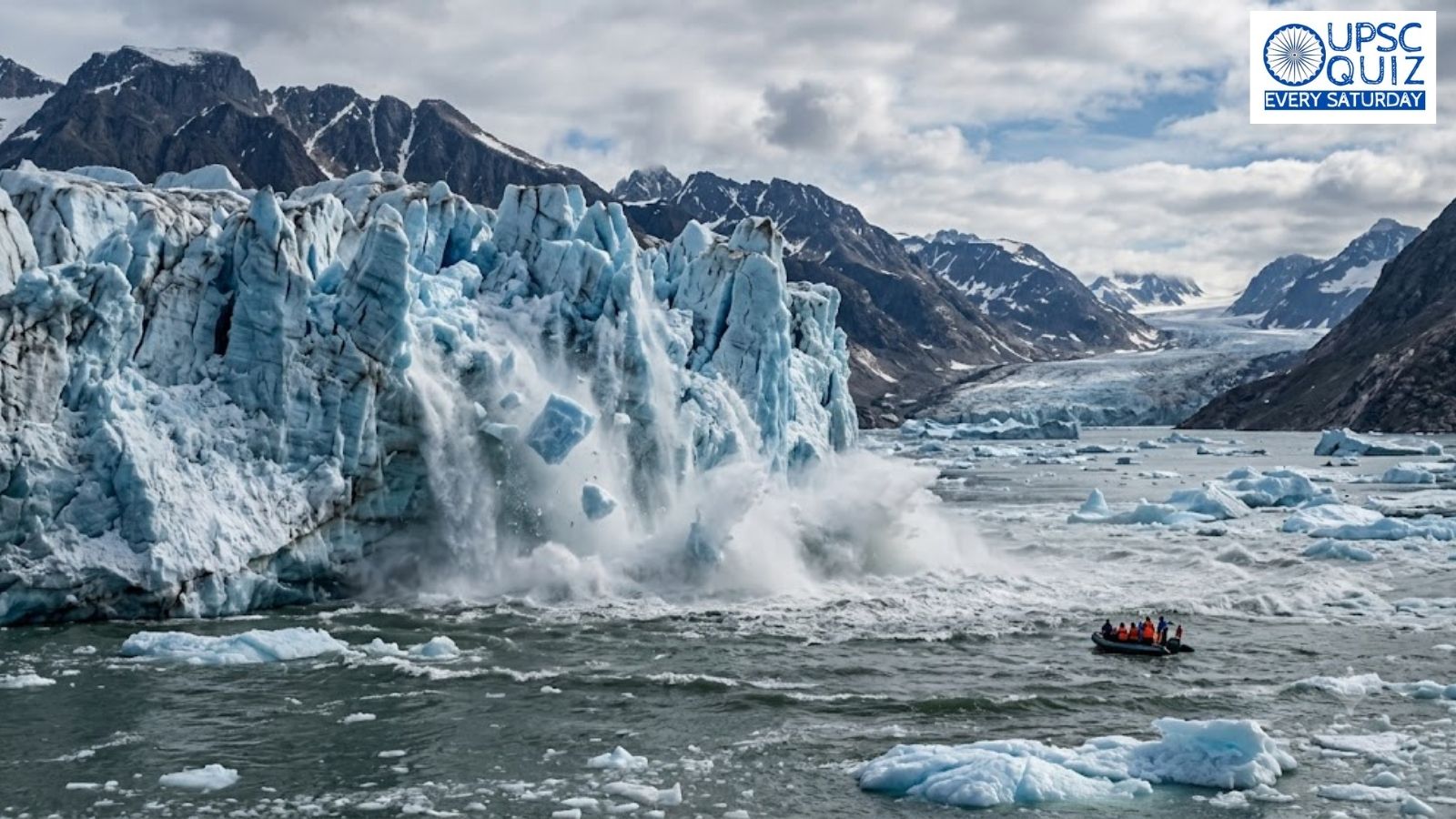
One of the most critical topics this week is the phenomenon of glacial collapse, particularly in the context of the recent flash floods in Nepal and Tibet. A glacial collapse occurs when a massive volume of ice, rock, and water detaches from a steep mountain slope. This event is often triggered by geological stressors such as earthquakes or rapid temperature fluctuations driven by climate change.
When these collapses occur, they create a volatile mixture of water, debris, and riverbed materials that race down narrow valleys. A particularly dangerous aspect is the formation of temporary natural dams; when these dams breach, they trigger secondary, often more destructive, flooding cycles. This highlights the extreme vulnerability of the Himalayan region and the urgent need for advanced disaster management protocols.
Why This Matters
BozokMedia analysis shows that UPSC is increasingly shifting toward 'applied geography.' Instead of asking simple definitions, the commission now tests how climate change manifests as physical disasters. Understanding the link between the permanent snowline, firn layers, and subglacial channels is essential for scoring high in the Geography and Environment sections.
"The interplay between warming temperatures and subglacial water pressure is transforming the Himalayas into a high-risk zone for catastrophic flash floods."
Defense Strategic Updates: The Javelin Missile System
In the realm of internal and external security, the acquisition of the Javelin anti-tank guided missile system marks a significant shift in India's defense procurement strategy. By signing a Letter of Offer and Acceptance (LOA) with the United States, India is enhancing its capability to tackle heavily armored vehicles and main battle tanks.
The Javelin is renowned for its infrared guidance system, which allows the missile to track and neutralize targets autonomously after launch. This procurement underscores the strengthening strategic partnership between New Delhi and Washington, moving away from traditional reliance on a single defense supplier and diversifying the Indian Army's arsenal.
Comparison: Traditional vs. Modern Anti-Tank Systems
| Feature | Traditional Systems | Javelin System |
|---|---|---|
| Guidance | Manual/Wire-guided | Infrared/Autonomous |
| Attack Mode | Direct Fire | Top-Attack Capability |
| Operator Risk | High (must stay aimed) | Low (Fire-and-Forget) |
Frequently Asked Questions
Q1: What is 'firn' in the context of glaciology?
Firn is the intermediate stage between fresh snow and glacial ice, where snow survives multiple melting seasons and is compressed over time.
Q2: Which country is India partnering with for the Javelin missile system?
India has entered into an agreement with the United States for the purchase of the Javelin system through the US Foreign Military Sales process.