A comprehensive subject-wise quiz on International Relations designed for UPSC Prelims aspirants. Covers critical topics including Central Asian geopolitics, US H-1B visa policies, and the Pacific Ring of Fire.
- Identification of Central Asian nations and India's 'Connect Central Asia' policy.
- Structure of the US H-1B visa program and recent policy implications.
- Geographical significance of the Pacific 'Ring of Fire' and seismic activity.
For aspirants preparing for the Union Public Service Commission (UPSC) examinations, International Relations (IR) remains a cornerstone of the General Studies syllabus. This week's quiz focuses on high-yield topics that bridge the gap between static geography and dynamic global politics.
Central Asia and India's Strategic Outreach
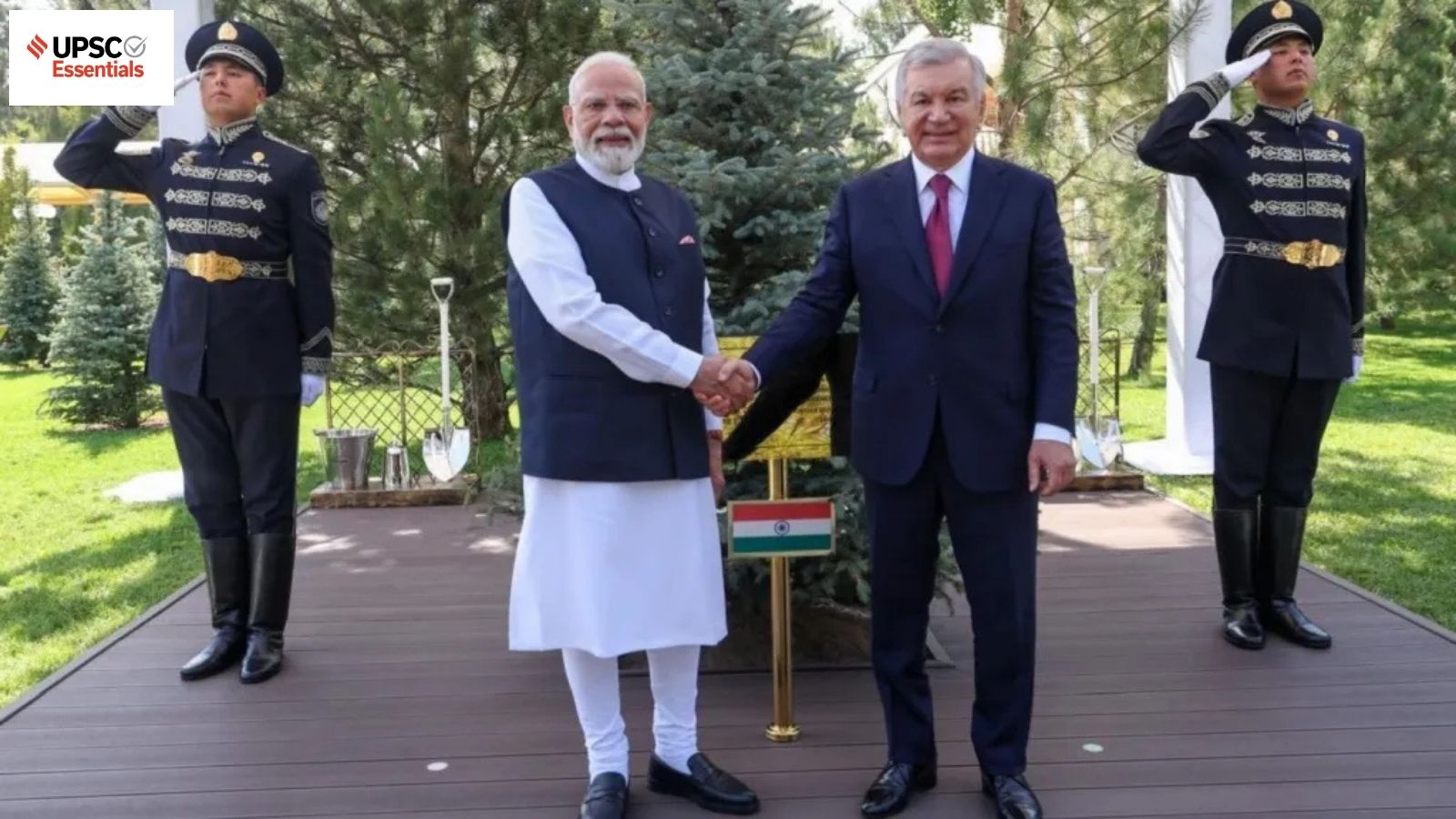
The recent diplomatic engagements of Prime Minister Narendra Modi in Central Asia underscore the region's growing importance. India's 'Connect Central Asia' policy, established in 2012, aims to deepen ties with Kazakhstan, the Kyrgyz Republic, Uzbekistan, Tajikistan, and Turkmenistan.
This engagement is driven by multifaceted interests: securing energy corridors (such as the Turkmenistan-Afghanistan-Pakistan-Iran pipeline), countering regional dominance by China, and ensuring security stability following the political shifts in Afghanistan.
India's proactive stance in Central Asia is a strategic necessity for long-term energy security and regional stability.
Why This Matters
BozokMedia analysis shows that UPSC increasingly favors questions that test the ability to distinguish between closely related regions. For instance, candidates must clearly differentiate between Central Asian republics and South Caucasus nations like Azerbaijan and Armenia to avoid errors in map-based questions.
US Immigration Dynamics: The H-1B Visa Debate
Global labor mobility is a key component of international relations. The H-1B visa program allows US employers to hire highly skilled foreign professionals in specialty fields. However, recent legislative proposals to significantly hike visa fees pose a potential barrier for international talent, particularly from India.
| Feature | H-1B Visa Details |
|---|---|
| Annual Quota | 65,000 regular + 20,000 advanced degree |
| Approval Duration | 3 to 6 years |
| Core Purpose | Hiring foreign experts in specialized fields |
Geophysical Hazards: The Ring of Fire
The recent 7.7-magnitude earthquake near Indonesia has brought the 'Ring of Fire' back into the global spotlight. This horseshoe-shaped zone in the Pacific Ocean is where tectonic plates meet, making it the most seismically active region on Earth, encompassing Japan, Indonesia, and the western coasts of the Americas.
Frequently Asked Questions
Q1: Is Azerbaijan considered a Central Asian country?
A: No, Azerbaijan is generally classified as a South Caucasus country.
Q2: How long is an H-1B visa typically valid for?
A: It is typically approved for a period of three to six years.

