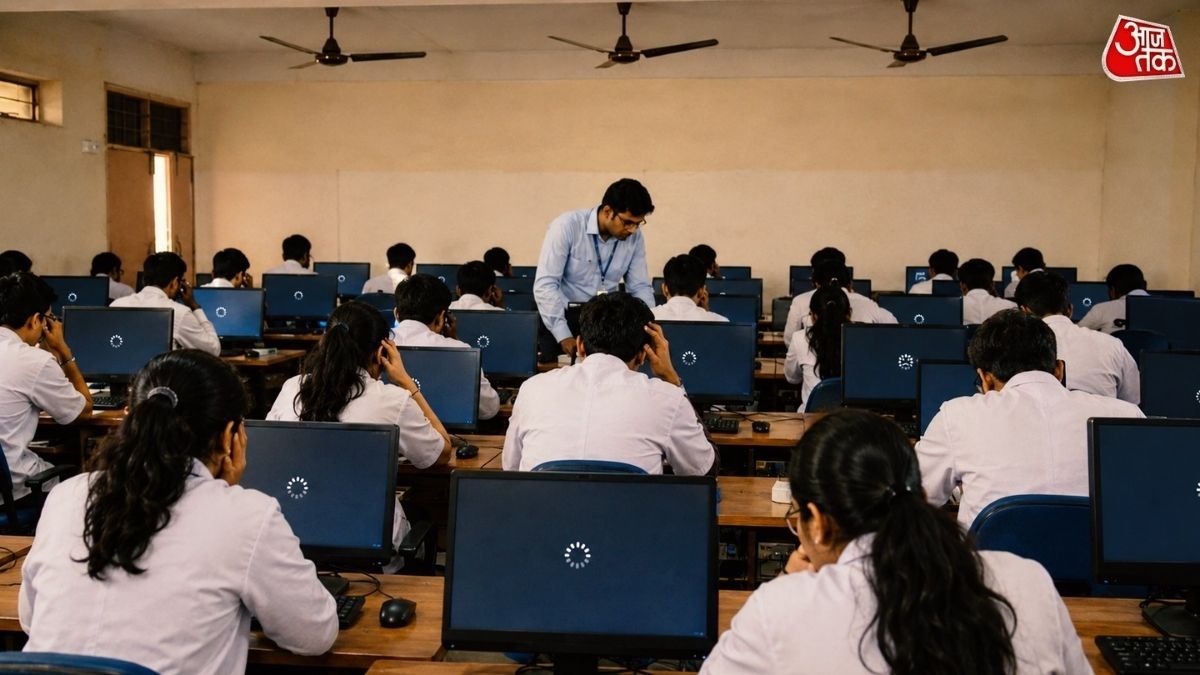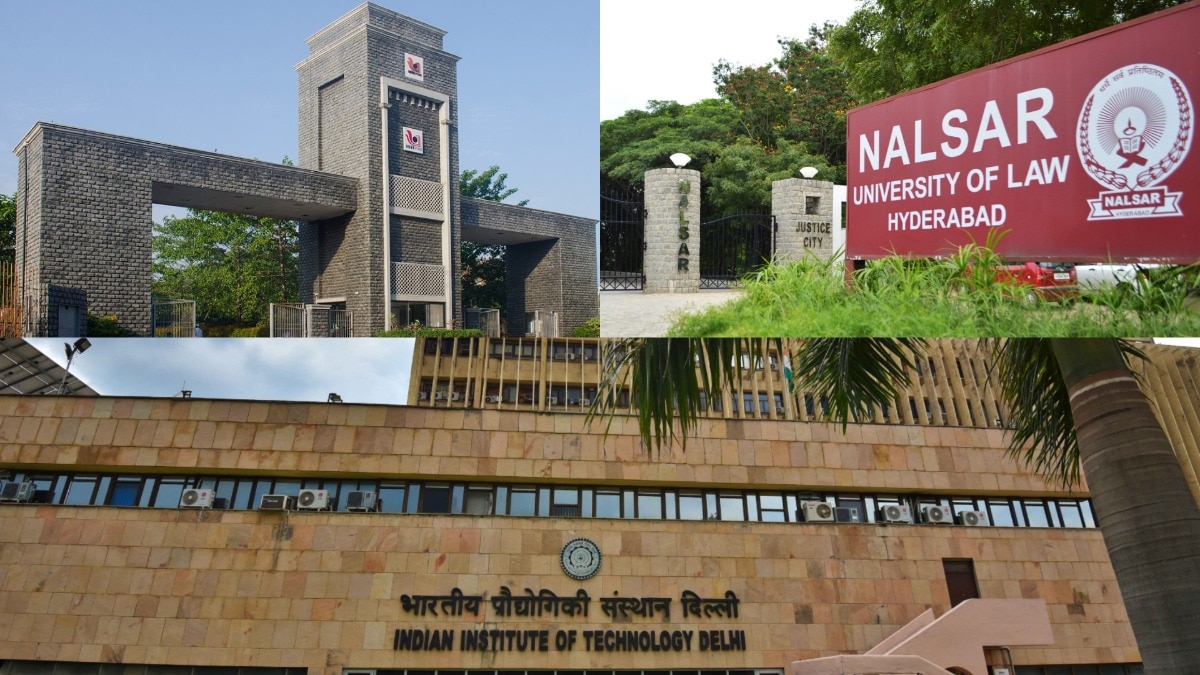
A wave of protests is sweeping through India's most elite academic institutions, including IIT Delhi and NALSAR, signaling a resurgence of student activism and a demand for systemic administrative accountability.
- Widespread protests at NALSAR, NLSIU, IIT Delhi, and IISER Pune over administrative conduct and student welfare.
- Law students are challenging the authority of the Chief Justice of India and the Bar Council of India.
- Tragic student deaths at IIT Delhi and IISER Pune have sparked demands for mental health reforms and independent inquiries.
India's most selective academic institutions, long known for their rigorous academic focus, are currently witnessing an unprecedented surge in student activism. From the corridors of NALSAR University of Law in Hyderabad to the campus of IIT Delhi, students are no longer content with passive learning; they are actively challenging the administrative structures and the conduct of high-ranking officials.
The Legal Battle: NALSAR and NLSIU
The unrest began at NALSAR University of Law, where over 400 students protested the proposed invitation of Chief Justice of India (CJI) Surya Kant to the university's convocation. This was not merely a ceremonial dispute but a political statement regarding the CJI's perceived role in handling student protests nationally. The tension escalated when the Bar Council of India (BCI) briefly threatened to withhold the enrollment of the 2026 graduating batch, a move that was quickly retracted but left a lasting scar on the students' trust in the legal establishment.
The contagion spread to the National Law School of India University (NLSIU) in Bengaluru. Here, a coalition of students and alumni signed a statement opposing the attendance of the CJI and BCI Chairman Manan Kumar Mishra. The situation became so volatile that the university eventually cancelled its 2026 convocation, opting to confer degrees in absentia to avoid further conflict.
BozokMedia analysis shows that these protests represent a fundamental shift in the psyche of India's elite youth. Unlike previous decades where activism was centered in social science universities, the 'technocratic' and 'legal' elite are now engaging in political discourse. This suggests that the demand for transparency and accountability has permeated the highest strata of the Indian education system, indicating a broader national trend toward questioning institutional authority.
The current wave of campus unrest is not about isolated incidents but a systemic demand for a social contract between students and the administration that prioritizes dignity over discipline.
Tragedies and Accountability at IIT Delhi and IISER Pune
While the law schools fought ideological battles, IIT Delhi and IISER Pune faced crises centered on student welfare. At IIT Delhi, the suicide of 31-year-old MSc Physics student Rishikesh Kumar triggered massive protests. Students accused the administration of negligence in mental health support and demanded a transparent inquiry into the death.
Despite the appointment of retired Justice Mukta Gupta to lead an inquiry, students continued to march, demanding the resignation of officials responsible for hostel management and student welfare. Similarly, at IISER Pune, an indefinite sit-in was launched following the suspension of a student representative and another student death, highlighting a pattern of administrative rigidity in the face of student trauma.
| Institution | Primary Trigger | Core Demand |
|---|---|---|
| NALSAR / NLSIU | CJI/BCI Presence | Institutional Accountability & Free Speech |
| IIT Delhi | Student Suicide | Mental Health Reform & Independent Inquiry |
| IISER Pune | Student Suspension/Death | Student Representation & Welfare |
Q1: Why are students protesting the CJI's presence at convocations?
Students are expressing concerns over the judiciary's handling of student rights and specific remarks made by the CJI regarding campus activism.
Q2: How did IIT Delhi respond to the student protests?
The institute initially formed an internal committee but later appointed a retired High Court judge to lead an external inquiry following student pressure.