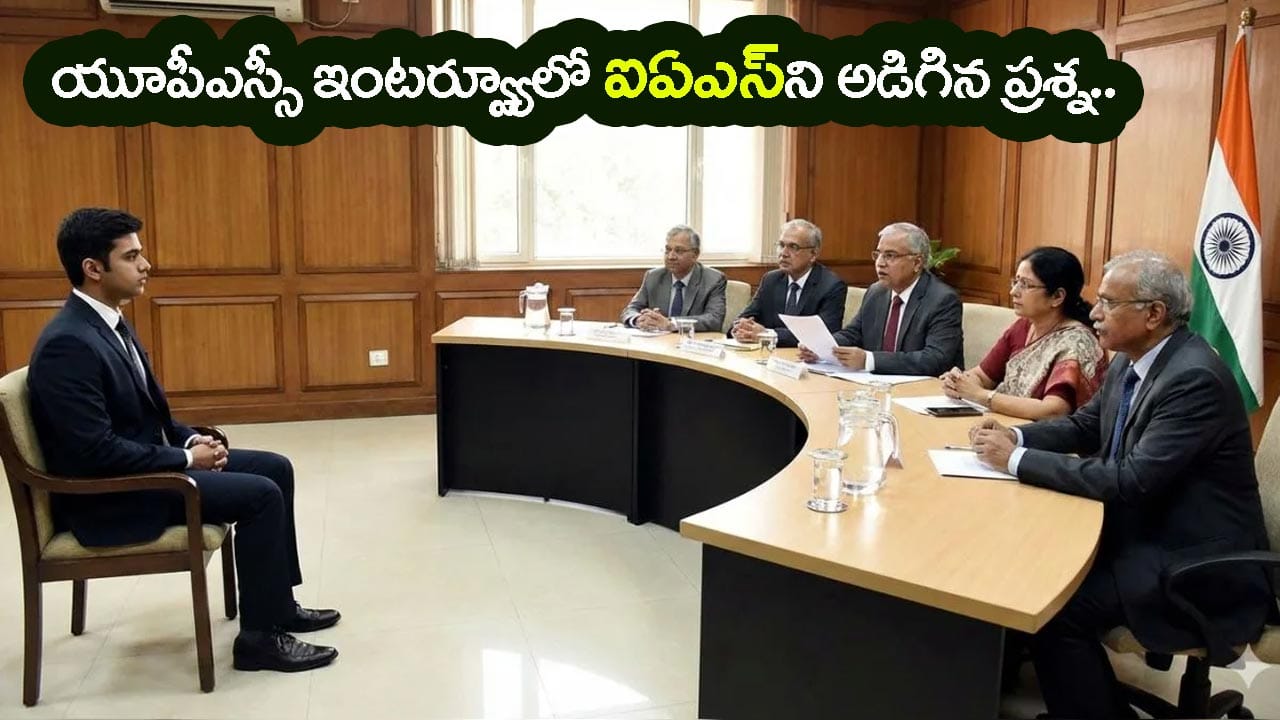
A viral riddle asked during a UPSC interview of a top ranker highlights the importance of lateral thinking and presence of mind over rote learning in civil services.
- UPSC interviews test cognitive flexibility and presence of mind, not just academic knowledge.
- The 'May' vs 'June' paradox was a linguistic trap involving a place name.
- Maintaining composure under pressure is key to cracking the personality test.
The Union Public Service Commission (UPSC) Civil Services Interview is renowned for its unpredictability. While candidates are expected to be well-versed in policy and current affairs, the board often throws 'curveball' questions to evaluate a candidate's analytical thinking and emotional intelligence. A recent example involving a candidate who secured the 98th rank has captured social media attention.
The board posed a riddle: 'Adarsh and Anupam are twins born in May, yet their birthday falls in June. How is this possible?' To a casual listener, this sounds like a logical impossibility, as birth month and birthday month are typically identical.
Why This Matters
BozokMedia analysis shows that these questions are designed to filter out candidates who react impulsively. The 'trick' lies in the interpretation of the word 'May'. In this context, 'May' was not referring to the fifth month of the year, but rather to a town or specific location named May. The twins were born in the town of May, while their calendar birth date was in June.
The ability to pivot one's perspective and identify alternative meanings of a term is a critical trait for high-level administrative decision-making.
Historically, the UPSC personality test has utilized such puzzles to observe a candidate's reaction to stress. Whether it is a question about the number of legs on a table or a riddle about shadows, the goal is to see if the candidate can think 'out of the box' and remain calm when faced with an apparent contradiction.
For aspirants, the lesson is clear: listen intently to every word. The clue to the answer is often embedded within the phrasing of the question itself. Rushing to a conclusion based on common assumptions is where most candidates fail these specific tests.
Frequently Asked Questions
Q1: Are these riddles a major part of the UPSC interview?
No, they are occasional. The bulk of the interview focuses on the Detailed Application Form (DAF) and current global/national affairs.
Q2: How should a candidate react if they cannot find the answer immediately?
It is better to request a moment to think or politely admit if they are unable to solve it, rather than giving a rushed, incorrect answer.