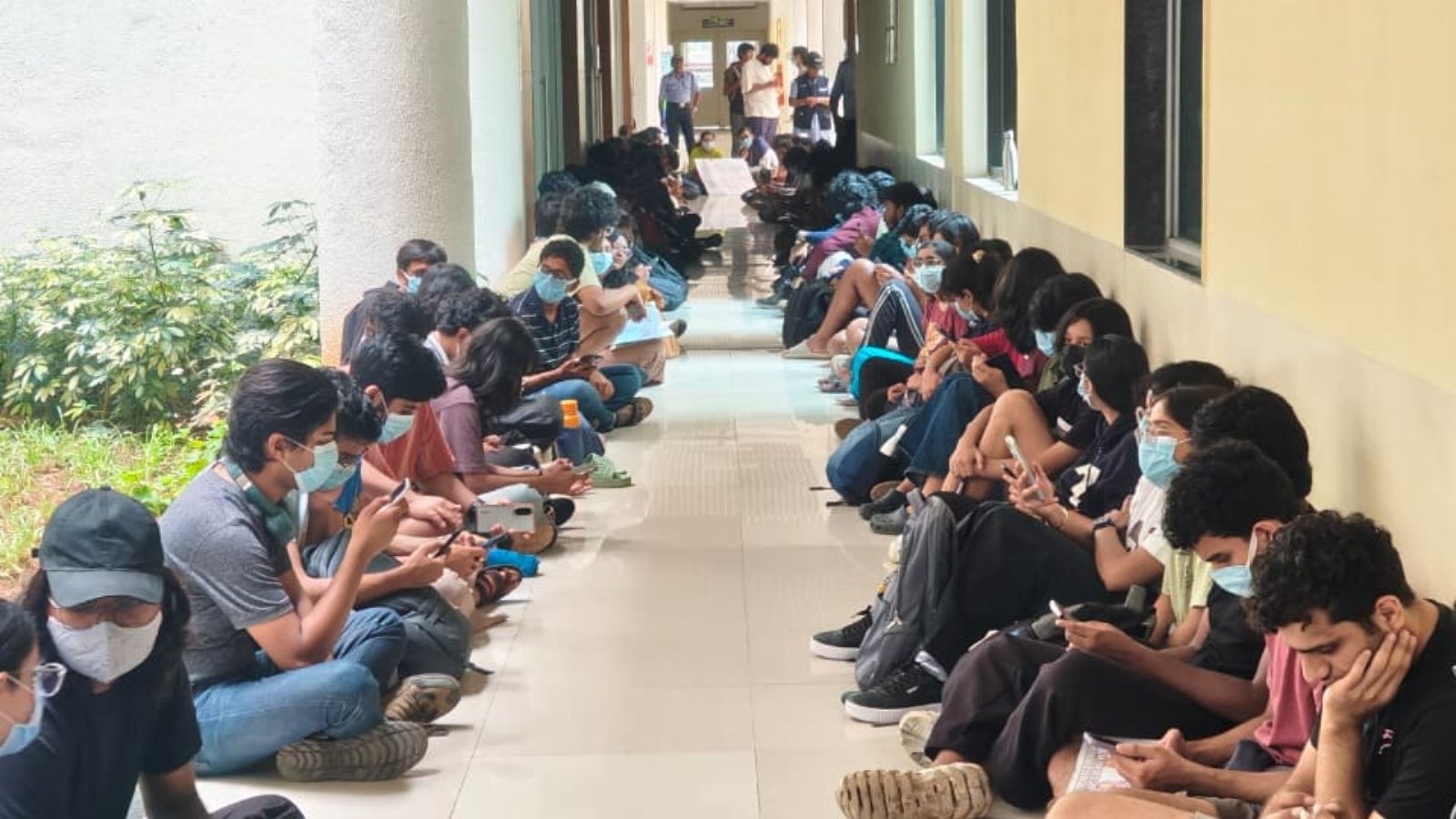
On the death anniversary of S. Anitha, a medical aspirant who died by suicide over the NEET exam, the DYFI and SFI organized massive rallies across Tamil Nadu. The student and youth wings demanded an immediate exemption from the national exam for the state and higher reservation for government school students.
- DYFI and SFI held widespread rallies across Tamil Nadu on S. Anitha's death anniversary.
- Protesters demanded immediate exemption of Tamil Nadu from the National Eligibility cum Entrance Test (NEET).
- The groups are advocating for increased reservation quotas for government school students in medical admissions.
The Democratic Youth Federation of India (DYFI) and the Students' Federation of India (SFI) organized large-scale rallies and public demonstrations across Tamil Nadu, including Chennai, to mark the death anniversary of S. Anitha. Anitha, a bright Dalit student from Ariyalur district, tragically died by suicide in 2017 after failing to secure a medical seat despite scoring outstanding marks in her state board exams, solely due to her NEET score. Her passing sparked a massive political and social movement against the standardized medical entrance test in Tamil Nadu.
During the rallies, hundreds of students and youth activists gathered to raise slogans against the central government's education policies. They strongly advocated for the abolition of the National Eligibility cum Entrance Test (NEET) in the state, arguing that it unfairly disadvantages rural, impoverished, and state-board-educated students who cannot afford expensive private coaching.
Historical Background: The Legacy of S. Anitha's Struggle
S. Anitha's death became a watershed moment in Tamil Nadu's political history. Scoring 1176 out of 1200 in her Class 12 board exams, she would have easily secured a medical seat under the state's previous merit system, which was based on board marks. However, the implementation of NEET in 2017 shattered her dreams, as she scored only 86 out of 720 in the national competitive exam, which heavily favors the CBSE syllabus. Her subsequent legal battle in the Supreme Court and her tragic demise galvanized the entire state, leading to a sustained legislative and public campaign against NEET.
Over the years, Tamil Nadu has consistently argued that NEET undermines federalism by stripping state governments of their right to regulate medical admissions. The state legislative assembly has passed multiple bills seeking exemption from the exam, which remain pending before central authorities and the President of India.
Why This Matters
BozokMedia analysis shows that the ongoing anti-NEET protests in Tamil Nadu are not merely about an entrance exam, but represent a deeper constitutional battle over state rights, educational equity, and social justice. The standardized testing model often creates an uneven playing field, transforming medical education into a privilege accessible mostly to affluent urban students who can afford specialized coaching centers.
"Standardized tests like NEET create an artificial barrier that ignores the socioeconomic realities of rural students, effectively commercializing medical education at the cost of merit and diversity."
Apart from the absolute exemption from NEET, the DYFI and SFI are demanding an increase in the current 7.5% horizontal reservation for government school students in medical admissions. Activists argue that this quota should be expanded to ensure that students from marginalized backgrounds have a fair shot at pursuing healthcare careers. The protesters also criticized the commercialization of the coaching industry, which has grown into a multi-billion dollar enterprise following the introduction of NEET.
| Feature | State Board System (Pre-2017) | NEET System (Post-2017) |
|---|---|---|
| Admission Criteria | Based on Class 12 Board Marks | Based on Single National Entrance Exam |
| Syllabus Alignment | Aligned with State Board Curriculum | Heavily aligned with CBSE Syllabus |
| Socioeconomic Impact | Favored rural and marginalized students | Favors urban students with coaching access |
Frequently Asked Questions
1. Why is S. Anitha's death anniversary significant in Tamil Nadu?
S. Anitha's death in 2017 became the symbol of Tamil Nadu's resistance against NEET, highlighting how standardized national exams can adversely impact highly qualified rural students.
2. What are the main demands of the DYFI-SFI protests?
The main demands include a complete exemption for Tamil Nadu from the NEET exam and an increase in the reservation quota for government school students in medical colleges.