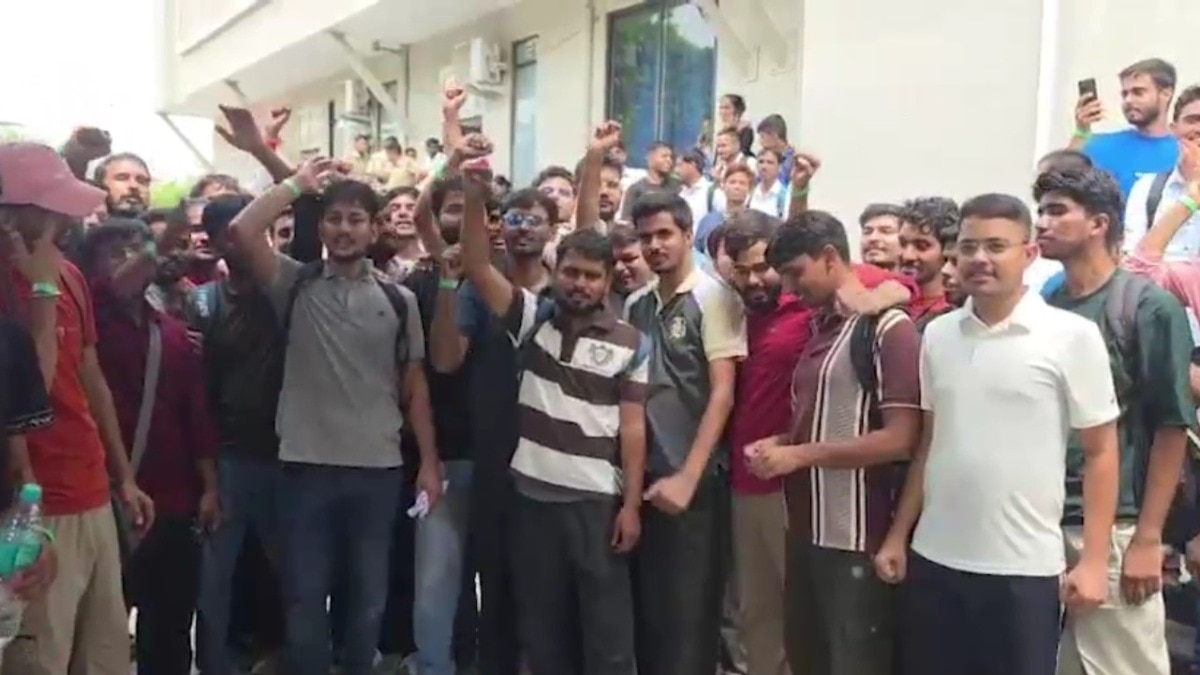
New US sanctions under 'Operation Economic Outcast' have crippled educational access for Iranians, with major platforms like Duolingo and ETS suspending critical certification exams.
- US 'Operation Economic Outcast' expands sanctions to aviation, digital assets, gold, shipping, and technology.
- OFAC has suspended general licenses for academic exchanges and non-profit education services.
- Major testing bodies like ETS and Duolingo have banned Iranian ID holders from language certifications.
Tehran, Iran – When the United States threatened an “economic D-Day” for Iran, the Trump administration framed it as a strategic move to cripple the Iranian government. However, for millions of ordinary citizens, these measures feel less like a strike against the regime and more like a systematic erasure of the Iranian people from the global community.
The latest wave of sanctions has disproportionately hit the civilian population, specifically targeting the education sector. The Office of Foreign Assets Control (OFAC) of the US Treasury has indefinitely suspended general licenses that previously allowed limited cooperation between American universities and Iranian students, effectively halting academic exchange programs.
The Collapse of Educational Access
The real-world impact is immediate and devastating. The Educational Testing Service (ETS), responsible for the TOEFL and GRE exams—essential prerequisites for thousands of global university applications—has paused all administrations within Iran. While ETS claims compliance with US law, the result is a total blockade for students seeking higher education abroad.
Going a step further, Duolingo has implemented a blanket ban on the Duolingo English Test for any user holding an Iranian government-issued ID. Crucially, this includes Iranian passport holders residing outside the country, effectively penalizing the diaspora and those seeking refuge elsewhere.
Why This Matters
BozokMedia analysis shows that these measures represent a shift from targeting state assets to targeting human capital. By restricting access to language certifications and academic exchange, the US is not just pressuring the IRGC, but is creating a 'knowledge vacuum' for the youth. This strategy of total isolation often backfires, pushing the populace closer to the regime they might otherwise oppose.
"Weaponizing education is a dangerous precedent that transforms academic credentials into political leverage, violating the universal right to learn."
Historically, the 'Maximum Pressure' campaign has triggered currency collapse and medical shortages in Iran. By adding education and professional sports to the list of sanctioned sectors, the US is effectively quarantining the Iranian civilian identity from the 21st-century digital and academic economy.
| Sector Affected | Pre-Sanction Status | Current Status (Post-Sanction) |
|---|---|---|
| Language Tests (TOEFL/GRE) | Available in Iran | Suspended/Cancelled |
| Duolingo Certification | Open to Iranian citizens | Banned for Iranian ID holders |
| Academic Exchanges | Permitted via General License | Indefinitely Suspended |
Frequently Asked Questions
1. Can Iranian students still apply to US universities?
While applications are technically possible, the lack of standardized test scores (TOEFL/GRE) and the suspension of academic licenses make the process nearly impossible for most.
2. Why does Duolingo ban Iranians living outside Iran?
Because the ban is based on the identity document (Iranian Passport/ID) rather than the physical location of the user, per US Treasury guidelines.