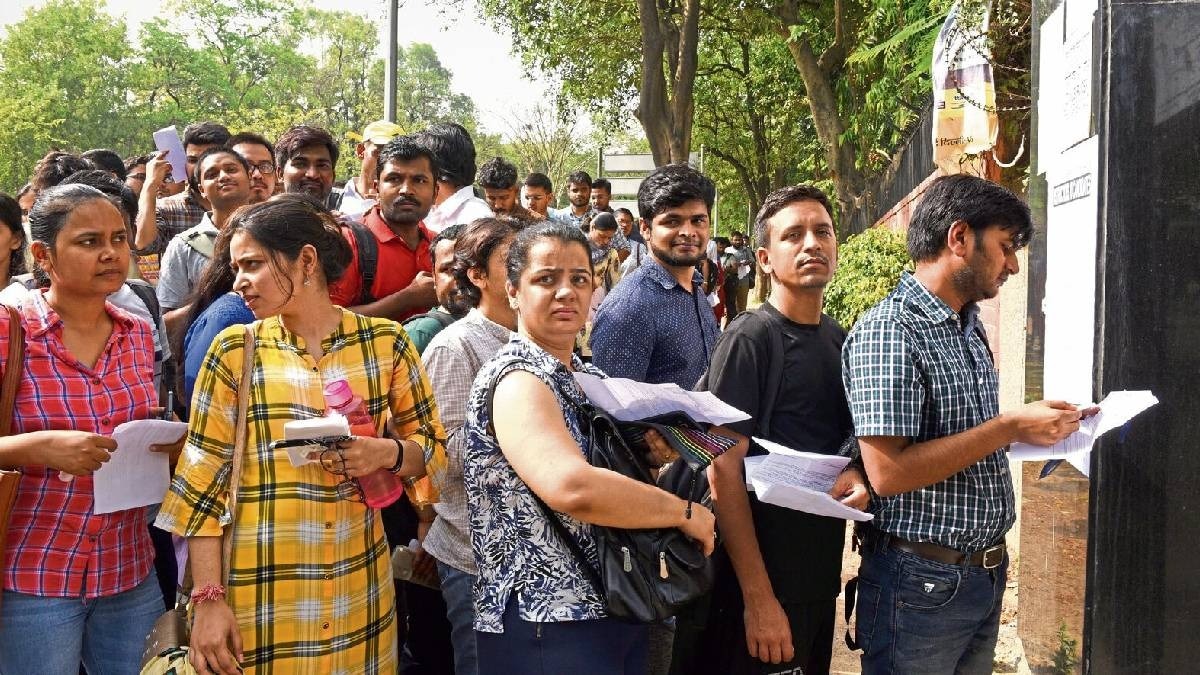
A continuous string of non-teaching assignments, including caste surveys and electoral revisions (SIR), is pulling teachers away from their primary duty in Karnataka schools.
- Teachers and lecturers are being extensively deployed for non-academic duties like SIR and caste surveys.
- Over 65,000 educators are currently assigned to electoral roll revision tasks across Karnataka.
- The diversion of staff is causing significant delays in syllabus completion and student assessments.
Bengaluru: A growing crisis is unfolding in the government schools and Pre-University (PU) colleges of Karnataka. Teachers and lecturers, who are meant to be the backbone of the academic system, are being increasingly diverted to long-drawn non-teaching tasks. The latest assignment, the Special Intensive Revision (SIR) of electoral rolls, has left educators struggling to balance administrative duties with their primary responsibility of teaching.
The Burden of Administrative Jugglery
Educators report being caught in a relentless cycle of surveys. From the Justice Nagamohan Das-headed commission for caste surveys in mid-2025 to the door-to-door census listing in early 2026, the workload has been immense. Currently, teachers are tasked with the 'objection and verification' phase of the SIR process. Many have reported receiving warnings of legal action if they refuse to participate, even as authorities demand they continue conducting lessons and examinations as scheduled.
Why This Matters
BozokMedia analysis shows that the systematic deployment of the Education Department's massive workforce for non-academic purposes—such as elections, census, and surveys—is creating a hollowed-out classroom environment. In Bengaluru South, teachers are attempting to teach in the morning and perform SIR duties in the afternoon, but this 'jugglery' is failing. Students are missing critical summative assessments because their instructors are physically absent from the classroom.
The state is treating teachers as a ready-made workforce for administrative convenience, disregarding the long-term cost to student learning.
The scale of this deployment is massive. Since June 30, 2026, more than 65,000 teachers and lecturers have been deputed across the state, many serving as Booth Level Officers (BLOs). The disruption is particularly acute in Bengaluru Central, where the Deputy Director of Pre-University (DDPU) noted that 127 out of 228 lecturers in 20 government colleges are currently on SIR duty.
Timeline of Teacher Deployment
| Period | Task Assigned | Impacted Personnel |
|---|---|---|
| May/June 2025 | Caste Survey (SC/ST) | Teachers & KPTCL Employees |
| Sept/Oct 2025 | Backward Classes Survey | Teachers & Lecturers |
| April 2026 | Census 2027 Listing | Teachers |
| June 2026 - Present | Special Intensive Revision (SIR) | 65,000+ Teachers/BLOs |
Principals have expressed frustration, noting that while the government sets high targets for PU results, it fails to provide additional guest faculty to fill the void left by teachers on survey duty. The cycle shows no signs of stopping, with local body elections and the 2027 Census expected to demand even more teacher intervention.
Frequently Asked Questions
Question 1: What is the impact of SIR on students?
Answer: The primary impact is the disruption of the academic calendar, leading to incomplete syllabi and unpreparedness for exams.
Question 2: Is there any relief being provided to schools?
Answer: While some officials have requested the release of 50% of staff from duty, the government has yet to provide significant relief or additional faculty.