Discover the fascinating debate behind why September 5 is celebrated as Teachers' Day and the role played by Dr. Radhakrishnan and Jawaharlal Nehru.
- September 5 is observed as Teachers' Day to honor Dr. S. Radhakrishnan.
- Historical accounts debate whether it was his personal wish or a political initiative.
- Radhakrishnan was a renowned philosopher, diplomat, and India's second President.
Every year on September 5, India celebrates Teachers' Day, a tribute to the life and legacy of Dr. Sarvepalli Radhakrishnan. While the occasion is widely celebrated, the historical nuances behind the selection of this specific date reveal a complex interplay between personal humility and political maneuvering.
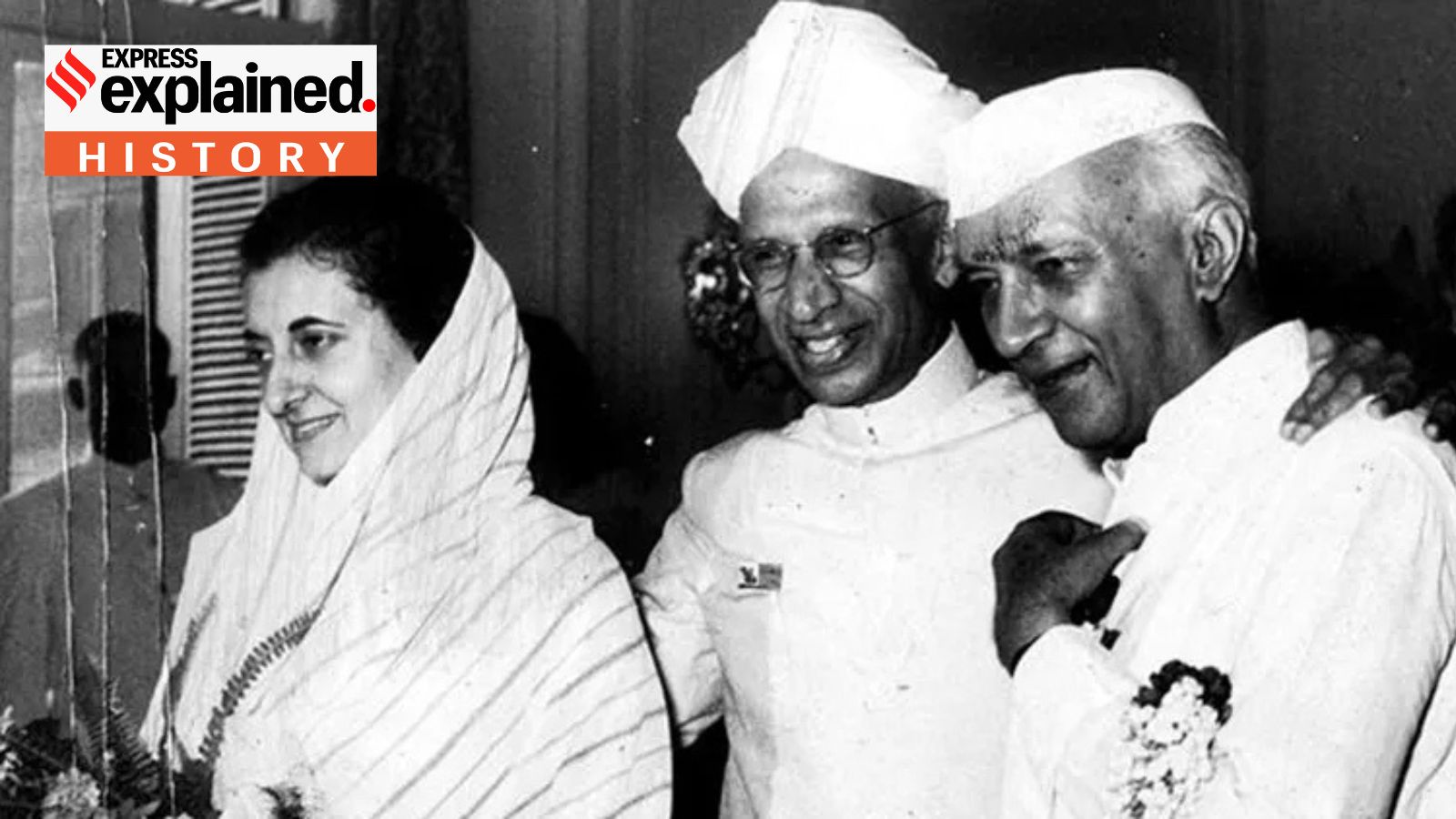
According to historian and philosopher P. Nagaraja Rao, the decision was not solely Radhakrishnan's idea. His research suggests that the National Federation of Teachers made the formal request, with Prime Minister Jawaharlal Nehru playing a pivotal role in facilitating the movement. Conversely, official government records maintain a more modest narrative: Radhakrishnan himself requested that his 75th birthday be celebrated as a day to honor teachers rather than a personal milestone.
Why This Matters
BozokMedia analysis shows that the genesis of Teachers' Day reflects the foundational respect for intellect and pedagogy in post-independence India. The intersection of Radhakrishnan’s academic brilliance and his political stature helped cement the role of the 'teacher' as a cornerstone of nation-building.
Dr. Radhakrishnan's journey from a philosophy professor to the Presidency symbolizes the ultimate triumph of intellect in Indian governance.
Radhakrishnan's academic journey was nothing short of extraordinary. From his early education in Tiruttani to becoming the Spalding Professor at Oxford University, his influence on global philosophy was profound. He engaged deeply with the works of thinkers like Bergson and Russell, bridging the gap between Eastern and Western thought.
His political career was equally distinguished. Serving as India's Ambassador to the Soviet Union and later as Vice-President and President, he was a close confidant of Nehru. This partnership allowed Radhakrishnan to influence domestic policies, including progressive stances on scientific population planning and social equality.
| Aspect | Official Version | Alternative Historical Account |
|---|---|---|
| Originator | Dr. Radhakrishnan himself | National Federation of Teachers |
| Key Influencer | N/A | Jawaharlal Nehru |
| Motivation | To honor educators | Political/Federation request |
Frequently Asked Questions
1. Was Radhakrishnan a politician or a teacher first?
He was primarily a philosopher and academic whose intellectual stature led him into high political offices.
2. How did Nehru influence Radhakrishnan's career?
Nehru provided Radhakrishnan with the political platform and status necessary to exert influence on India's domestic and international policies.