West Bengal Chief Minister Suvendu Adhikari has called for regulating mobile phone use in schools, citing the successful Gujarat model. He also announced major educational reforms and new merit-based schemes during a Teachers' Day event.
- CM Suvendu Adhikari proposed strict regulations on mobile phone usage in schools.
- The Gujarat model (restricting phones from Class I to XII) was cited as a benchmark.
- Launch of 'Swami Vivekananda Merit Scheme' and 'CM Shri' schools announced.
- Commitment to completing SSC teacher recruitment within Supreme Court timelines.
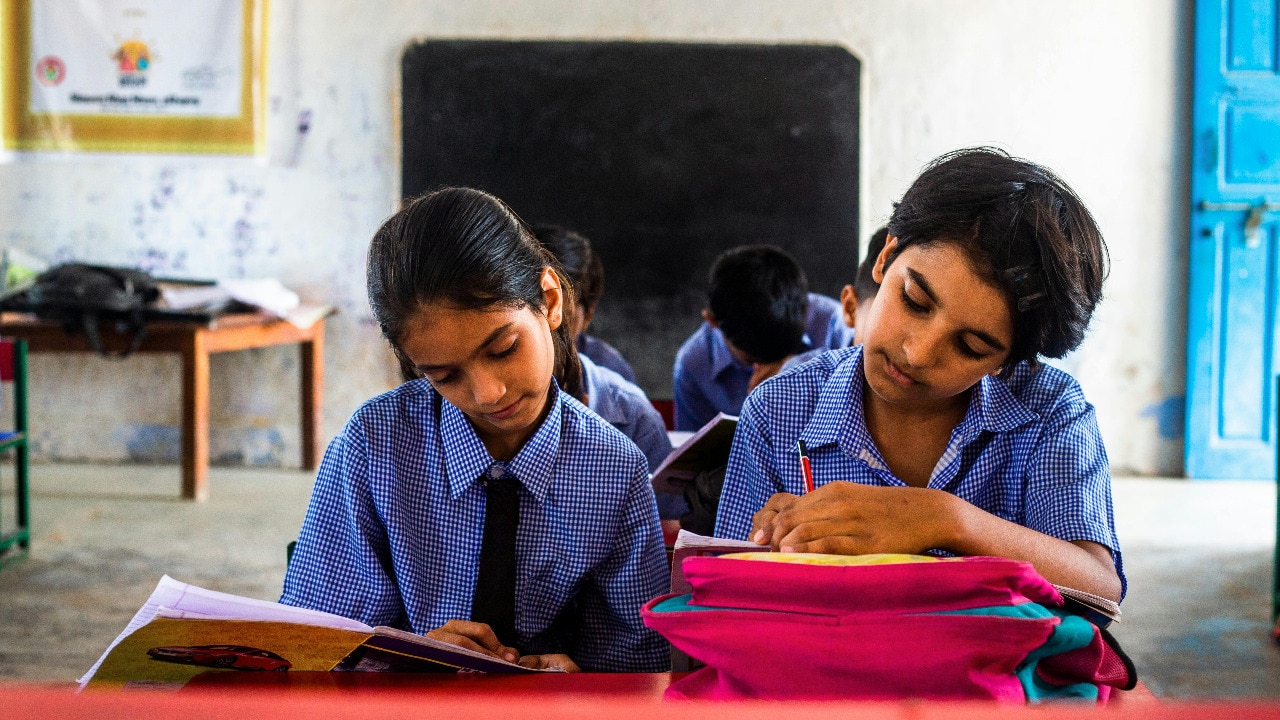
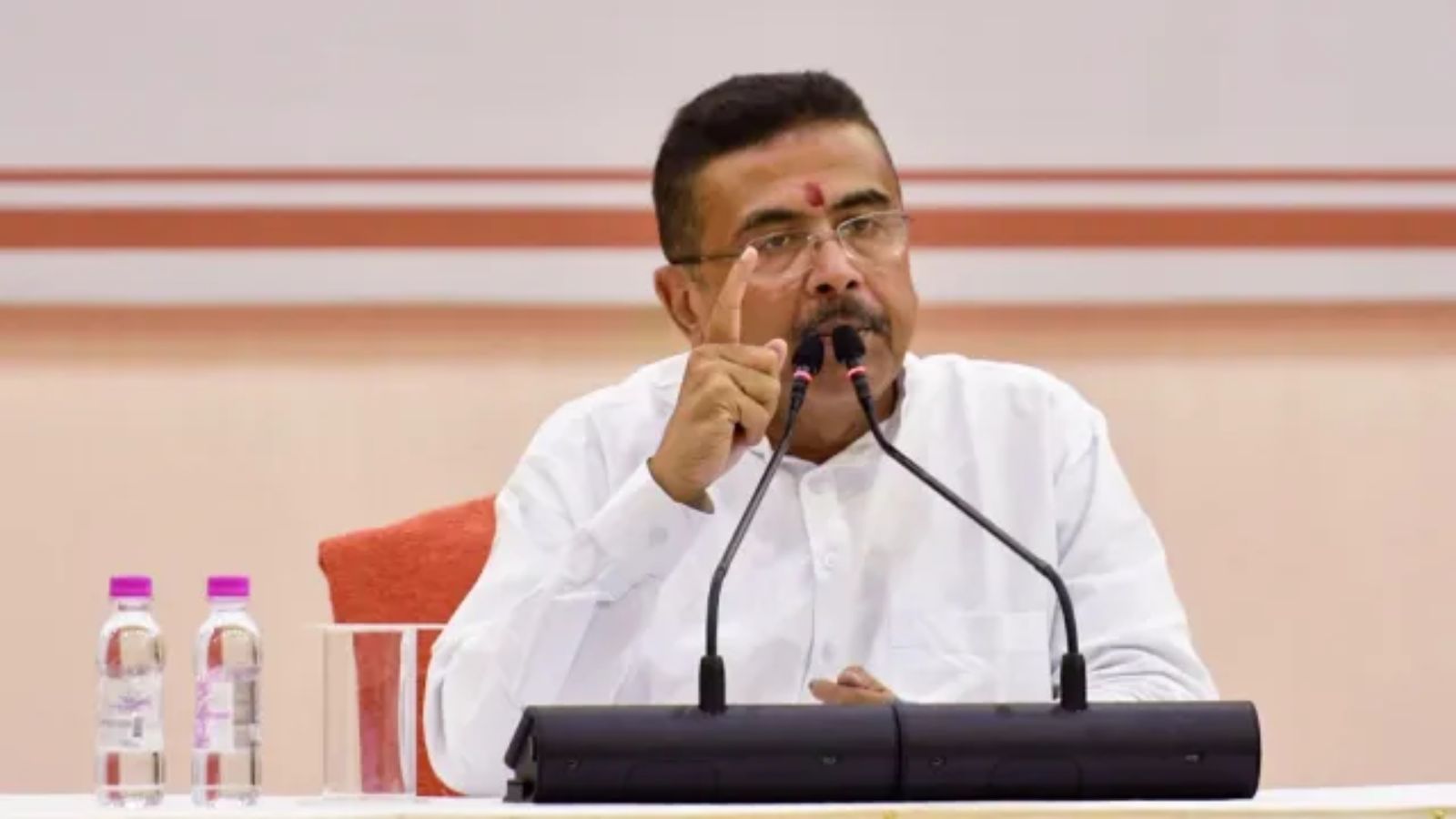
In a significant move aimed at reclaiming academic discipline, West Bengal Chief Minister Suvendu Adhikari has advocated for strict restrictions on the use of mobile phones in schools. Speaking at a Teachers' Day program in Newtown, the Chief Minister emphasized that regulating digital distractions is crucial for the holistic development of students, even if such a stance proves politically unpopular.
The Gujarat Model Benchmark
During his address, Adhikari specifically pointed toward the Gujarat model of education management. He noted that in Gujarat, mobile phone usage is strictly regulated or prohibited from Class I through Class XII. By citing this, the Chief Minister signaled a desire to implement similar structural discipline across West Bengal's educational landscape to minimize classroom disruptions.
"My votes may perhaps decrease. But I will still say that the use of phones in schools needs to be regulated." - Suvendu Adhikari
Major Educational Reforms and Infrastructure
Beyond mobile restrictions, the Chief Minister unveiled a suite of reforms designed to revitalize the state's education sector. He inaugurated the 'Swami Vivekananda Merit Scheme' for higher education and introduced a new transfer management policy for college faculty. To bridge the infrastructure gap, he announced the establishment of two 'CM Shri' schools in every district—modeled after the PM Shri schools—which will feature smart boards and modern facilities, offering merit-based admission from Class VI.
Why This Matters: BozokMedia Analysis
BozokMedia analysis shows that the Chief Minister is attempting to pivot the state's educational narrative from one of systemic neglect to one of meritocracy and patriotism. By highlighting that nearly 19,000 schools in the state still lack basic infrastructure after eight decades of independence, Adhikari is framing his administration's efforts as a restorative mission. His criticism of the previous regime, specifically citing the neglect at the Mitra Institution in Kolkata, underscores a political strategy to link infrastructure quality directly to administrative accountability.
Furthermore, the Chief Minister's emphasis on the School Service Commission (SSC) recruitment process aims to restore faith in teacher hiring. He proposed increasing the weightage of written examinations while reducing marks for oral exams to ensure a more objective and transparent selection process, adhering to the timelines set by the Supreme Court.
Frequently Asked Questions
1. What is the main reason behind the proposed phone ban?
The CM believes that regulating mobile phones is necessary to maintain discipline and focus among students, similar to the system in Gujarat.
2. How will the new 'CM Shri' schools differ from existing ones?
These schools will be modern hubs equipped with smart boards and advanced facilities, providing merit-based education starting from Class VI.