The Delhi Government has introduced the 'Eat Well, Live Well' initiative in 75 CM SHRI schools to instill foundational wellbeing literacy in 30,000 children, focusing on converting health knowledge into lifelong habits.
- Covers 75 CM SHRI schools, impacting approximately 30,000 students.
- Focuses on Foundational Wellbeing Literacy (FWL) rather than academic testing.
- Includes 21 personal habits, 7 social skills, and 7 planetary skills.
- Collaborative effort involving ICMR-National Institute of Nutrition and Delhi University.
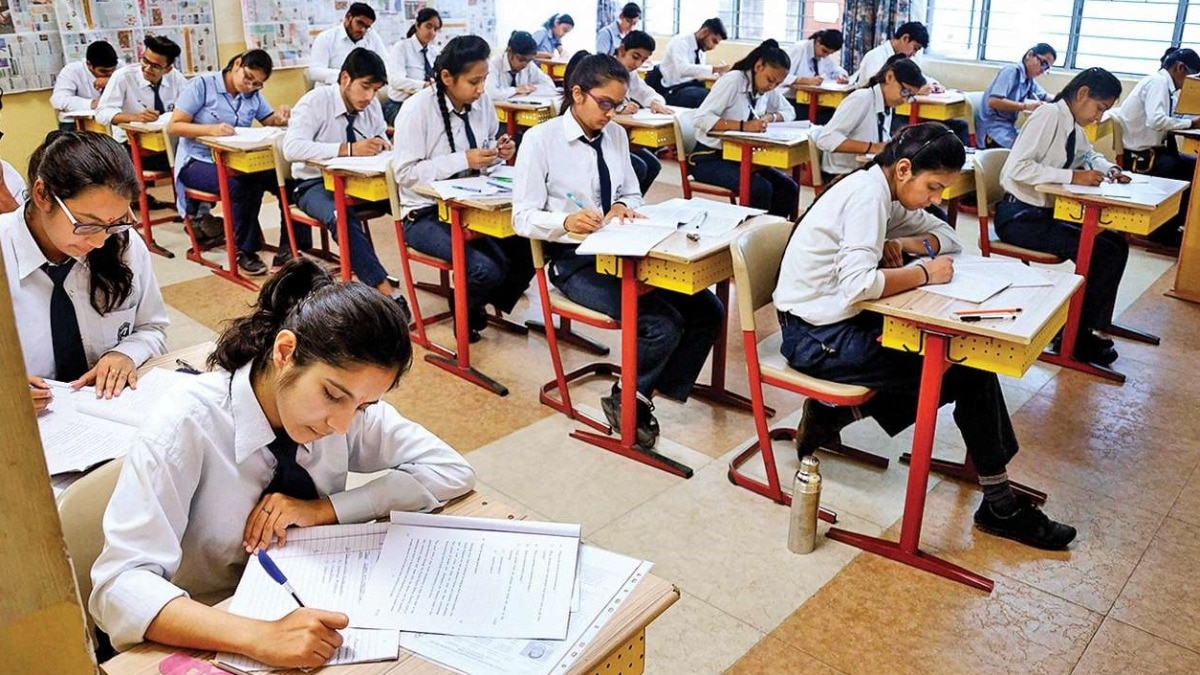
The Government of the National Capital Territory of Delhi has taken a significant leap toward holistic education by launching the 'Eat Well Live Well' initiative. Implemented across 75 CM SHRI Schools, the program is designed to reach roughly 30,000 children, ensuring that health and wellbeing are not just taught as lessons but practiced as daily rituals.
Launched by Education Minister Ashish Sood, the program is built on the premise of Foundational Wellbeing Literacy (FWL). The government posits that just as Foundational Literacy and Numeracy (FLN) are essential for academic success, FWL is the bedrock for a fulfilling and healthy life. Minister Sood emphasized that in an era of information overload, the real challenge is bridging the gap between knowing what is healthy and actually practicing it.
Why This Matters
BozokMedia analysis shows that the traditional education system often neglects the physical and mental wellbeing of students in favor of rote learning. By integrating nutrition, hygiene, and physical activity into the school's daily fabric, Delhi is shifting the paradigm from 'learning for exams' to 'learning for living.' This systemic approach reduces the burden of lifestyle diseases in children and fosters a culture of mindfulness and environmental stewardship.
"Schools provide an important setting where children can learn healthy habits, practice them regularly, and carry them into adulthood." - Dr. Bharati Kulkarni, Director, ICMR-National Institute of Nutrition.
A standout feature of the 'Eat Well Live Well' framework is the absence of textbooks or examinations. The program avoids adding to the academic stress of students. Instead, it employs short conversations, visual cues, and repeated practical activities to nudge children toward healthier choices. This methodology ensures that wellbeing becomes an intuitive part of their identity rather than a chore.
The curriculum is comprehensive, encompassing 21 personal habits, 7 social skills, and 7 planetary skills. By including 'planetary skills,' the initiative expands the definition of health to include the health of the environment, teaching children that their wellbeing is inextricably linked to the wellbeing of the planet.
To ensure accountability and measurable impact, School Wellbeing Committees have been established. These committees will utilize a 'School Wellbeing Score' to benchmark their progress and identify gaps in implementation. The program is further strengthened by research partnerships with the IFPRI and the Food Future Foundation, ensuring that the outcomes are evidence-based.
Frequently Asked Questions
Q1: Will students be graded on their participation in this program?
A: No, the program is specifically designed to be non-evaluative, meaning there are no grades or exams; the focus is entirely on habit formation.
Q2: What role do parents play in this initiative?
A: The program aims to involve parents actively so that the healthy habits children develop at school are reinforced and maintained at home.