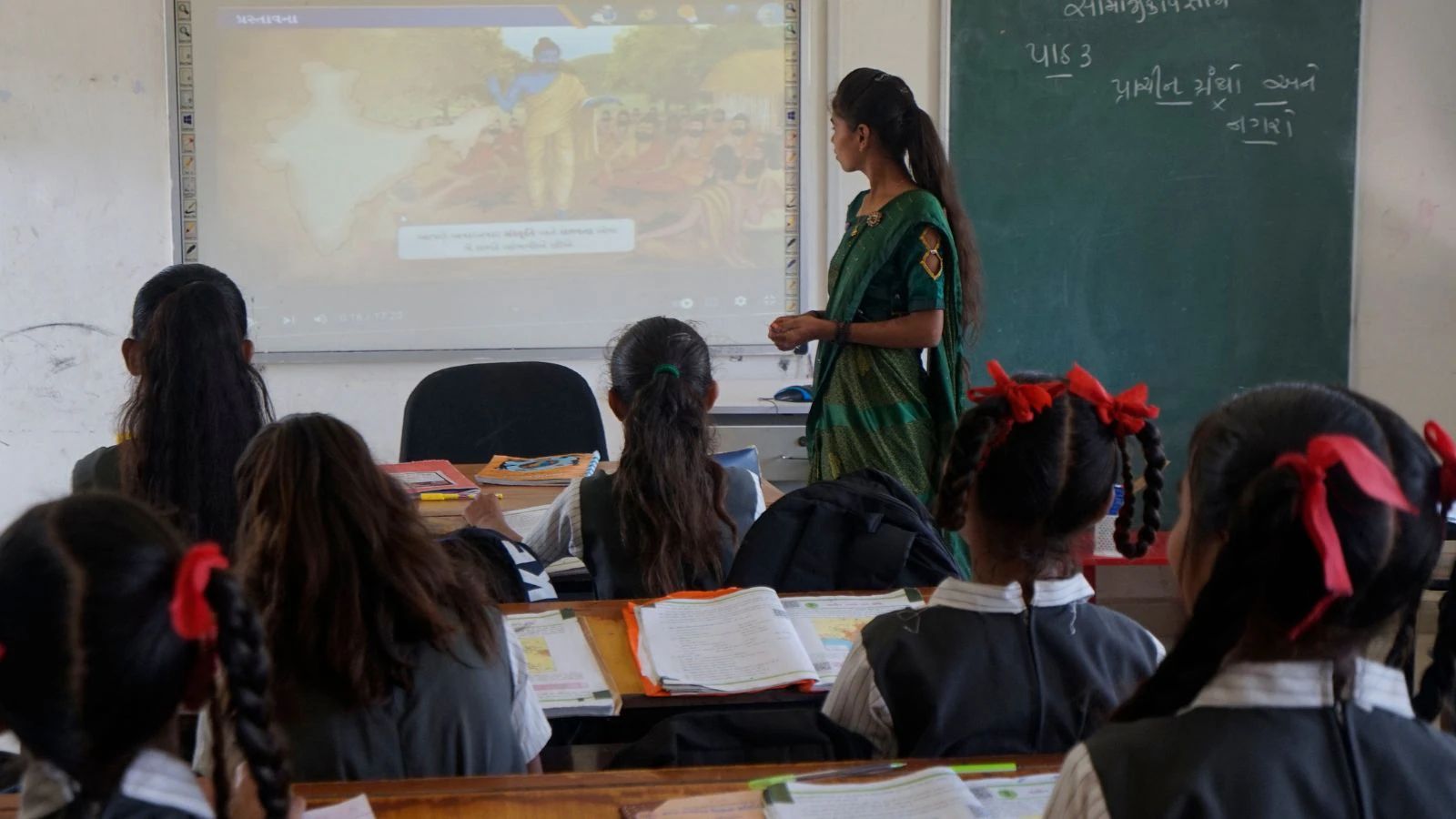
The Karnataka government is restructuring its rural quota to provide a dedicated 7.5% reservation for students from rural government schools in professional courses. This strategic move aims to bridge the educational divide between urban and rural sectors.
- 7.5% of government seats in professional courses will be reserved specifically for rural government school students.
- The existing 15% rural quota is being split into two equal categories: government school students and general rural institution students.
- The proposal covers engineering and other professional programs under the Higher Education Department.
The Government of Karnataka has introduced a draft amendment to the state's admission rules, proposing a targeted 7.5% reservation for students who have completed their primary and secondary education in rural government schools. This move is designed to ensure that the most marginalized students, who rely entirely on state-funded education, have a fair shot at entering prestigious professional courses.
According to the Karnataka Selection of Candidates for Admission to Government Seats in Professional Educational Institutions (Amendment) Rules, 2026, the government intends to modify Rule 9 of the original 2006 guidelines. The core of the proposal is the redistribution of the current 15% rural quota. Instead of a blanket rural reservation, the state will now divide this pool into two distinct horizontal categories.
The New Quota Structure
To understand the shift, it is essential to look at how the seats will be allocated. The first 7.5% will be strictly for candidates who studied from Class 1 to Class 10 in government schools or government pre-university colleges managed by the School Education Department within rural areas. The remaining 7.5% will remain open to any student who studied in a rural area, regardless of whether their school was private or government-run.
| Category | Previous System (15% Total) | Proposed System (Split 7.5% + 7.5%) |
|---|---|---|
| Rural Govt School Students | Competed with all rural students | Dedicated 7.5% Ring-fenced Quota |
| Rural Private/Other Students | Shared 15% Pool | Dedicated 7.5% Rural Pool |
Why This Matters
BozokMedia analysis shows that this policy shift is a calculated attempt to combat the 'private school advantage' often seen in rural areas. By ring-fencing a portion of the quota specifically for government school students, the state is acknowledging that students in government institutions face different socio-economic challenges compared to those in rural private schools. This aligns with the Vidyarthi Sahayahastha initiative launched in August to empower economically weaker sections.
"This restructuring transforms a general geographic quota into a targeted socio-economic tool, ensuring that state-funded education leads directly to professional opportunity."
The Higher Education Department (Technical Education) has issued this notification to solicit public feedback. Stakeholders, students, and affected persons have a window of 15 days to submit objections or suggestions before the rules are finalized and published in the Official Gazette.
Frequently Asked Questions
Q1: Does this create a new 15% reservation?
No, it simply splits the existing 15% rural quota into two equal parts to provide better targeting.
Q2: Which courses are covered under this proposal?
The reservation applies to government seats in professional educational institutions, including engineering and other professional degrees.