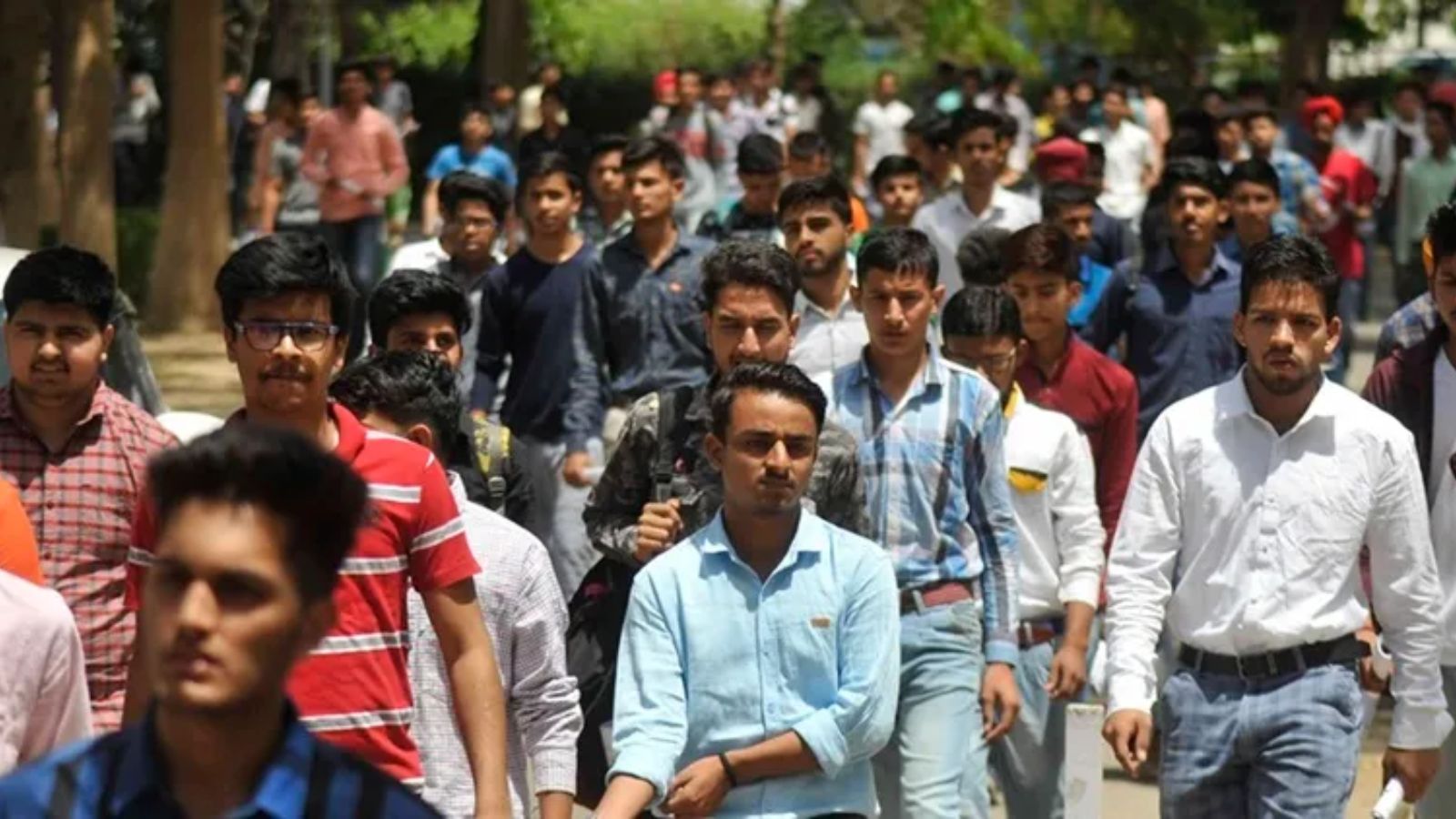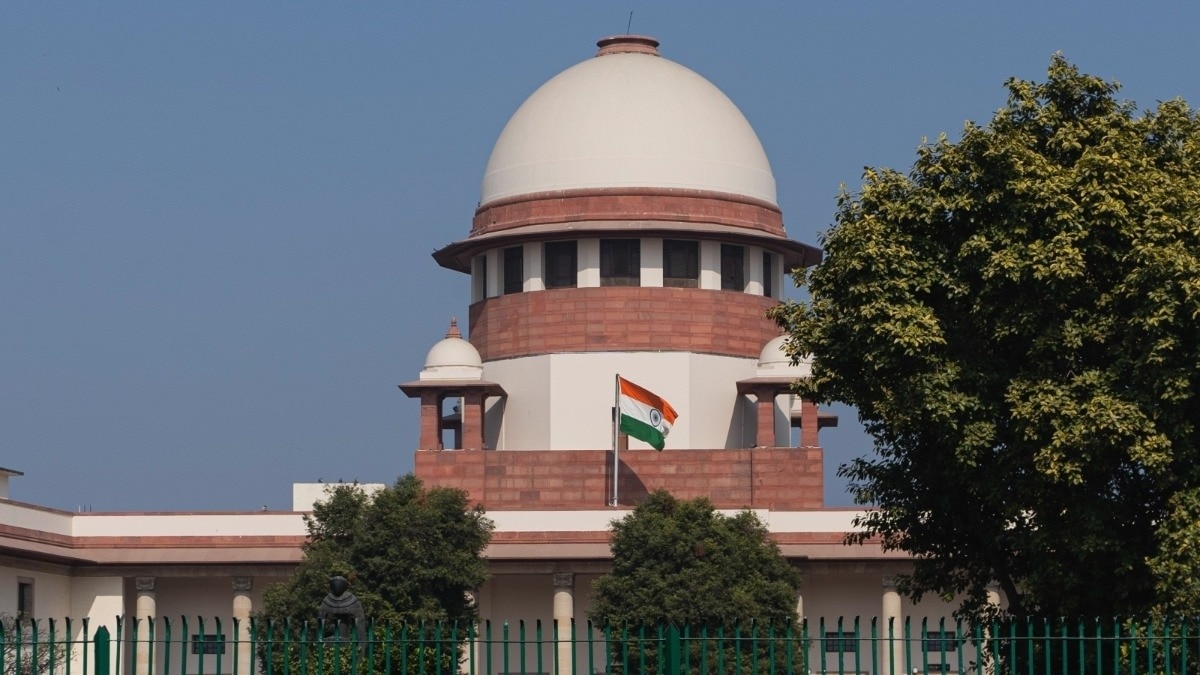
The Supreme Court has urged the Central Government to consider providing relief to Class 6 students regarding the mandatory third language policy of CBSE. The next hearing is set for September 17.
- The Supreme Court suggested the Center consider adjustments for Class 6 students.
- Petitions challenge the mandatory third language requirement starting from the 2026-27 session.
- The court indicated that Class 7 implementation need not be deferred until 2028.
New Delhi: In a significant legal development, the Supreme Court has intervened in the ongoing controversy surrounding the Central Board of Secondary Education's (CBSE) 'Three Language Policy'. During the hearing, the court requested the Central Government to explore the possibility of granting relief to students of Class 6, who may be disproportionately affected by the new mandates.
The legal challenge centers on the CBSE's decision to make a third language mandatory for Class 9 students starting from the 2026-27 academic session. Justice Bagchi noted that since Class 6 students were promoted in January, a mechanism for their adjustment should be considered to prevent academic distress. Senior advocates Gopal S. and Anand Grover, representing the petitioners, emphasized the growing anxiety among parents and students facing upcoming examinations.
Why This Matters
BozokMedia analysis shows that the sudden imposition of linguistic requirements can create an undue cognitive load on students. The court's focus on Class 6 suggests a judicial recognition of the 'transition gap'—the period where students are most vulnerable to systemic policy shifts. This case could redefine how educational mandates are phased into the Indian schooling system.
Educational reforms must prioritize student well-being over rigid administrative deadlines to ensure true learning outcomes.
Solicitor General Tushar Mehta informed the court that he would consult with relevant government officials to formulate a response. While the court showed empathy toward Class 6, the Chief Justice remarked that there is no immediate need to postpone the implementation of the third language for Class 7 until 2028, suggesting it can proceed as planned.
A critical point of contention arose regarding the definition of 'non-native languages'. Advocate Gopal S. questioned whether English could be excluded from the mandatory third language requirement to reduce the burden. The Solicitor General responded that the government maintains a distinct stance on the role of English in the curriculum.
Frequently Asked Questions
Q1: Why is the Supreme Court considering relief for Class 6 students?
Because these students were promoted in January, making the immediate implementation of a new language mandate practically difficult for them.
Q2: When is the next hearing for this case?
The matter is listed for further hearing on September 17.