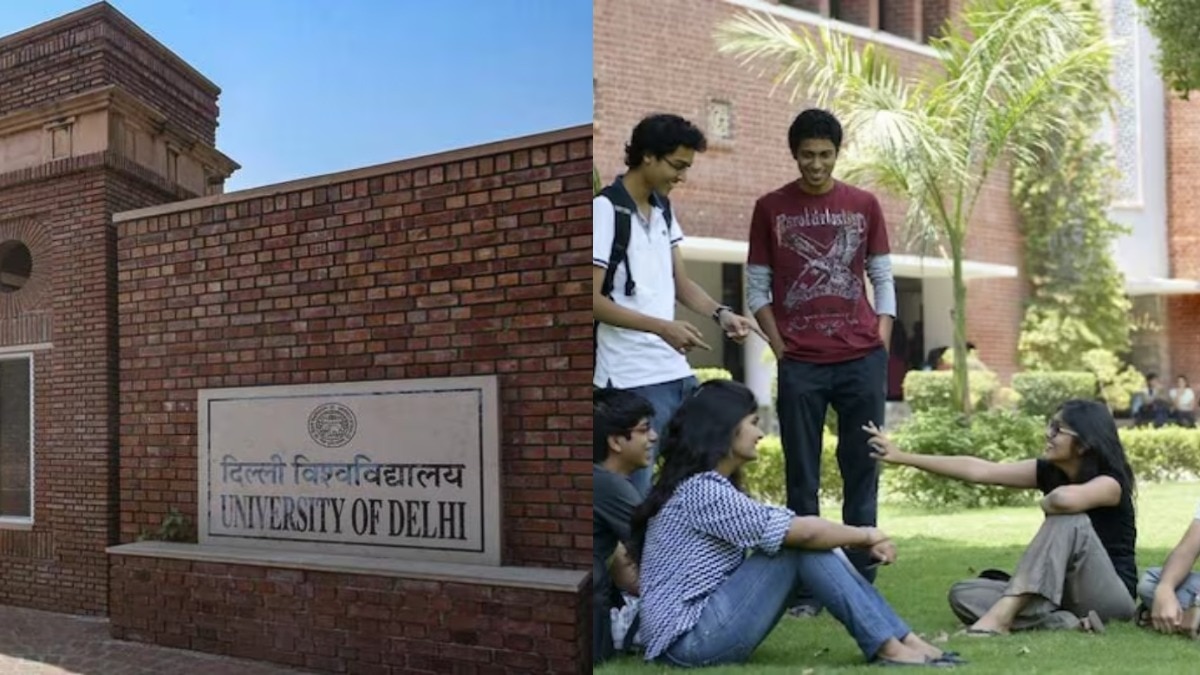
A tragic building collapse in DU's South Campus killing seven students has highlighted a systemic failure. With over 2.5 lakh students and less than 4% hostel availability, the university faces a severe housing emergency.
- Total enrollment stands at 2.51 lakh students, while hostel capacity is limited to just 6,500–7,000 seats.
- A recent PG collapse in South Campus resulted in 7 fatalities, sparking massive student protests.
- Private rental costs in Delhi often exceed the annual academic fees of the public university.
Delhi University (DU), one of India's most prestigious public institutions, is currently embroiled in a profound accommodation crisis. The tragedy of a paying guest (PG) building collapse near the South Campus, which claimed the lives of seven students, has stripped away the facade of the university's expansion story. These students, hailing from various parts of India, sought a better future but instead became victims of a system that forces them into unregulated, overcrowded, and unsafe private dwellings.
The statistics provided in the university's 2024-25 annual report are staggering. With 2.51 lakh students enrolled across undergraduate, postgraduate, and PhD programs, the total available hostel capacity across the university and its 91 constituent colleges is estimated at only 6,500 to 7,000 places. This means fewer than four out of every hundred students have access to official university housing.
Why This Matters
BozokMedia analysis shows that this deficit is not merely a logistical failure but a socio-economic barrier to education. While DU is lauded for its affordable public education, the hidden cost of living in Delhi negates these savings. By failing to provide safe housing, the university effectively pushes students into a predatory private rental market where safety standards are ignored, and financial exploitation is common.
"When a public university fails to provide basic shelter, it creates a dangerous dependency on unregulated private sectors, turning a student's pursuit of education into a gamble with their life."
Students like Saumya from Maitreyi College and Priya Dutt from ARSD College describe a harrowing reality. For Priya, an Assam native, the building collapse was a visceral reminder of the risks they take daily. Her own residence was subsequently marked unsafe and slated for demolition. The narrative is consistent across the campus: students are forced into narrow, congested lanes and crumbling structures because there is simply no other choice.
Despite holding an A++ NAAC accreditation and a top-10 rank in the NIRF university rankings, DU's infrastructure has failed to keep pace with its academic growth. The slow pace of hostel construction has created an ecosystem where the cost of studying in Delhi extends far beyond the college tuition fees, making the 'public' nature of the university a paradox.
| Metric | Approximate Figures |
|---|---|
| Total Enrolled Students | 2,51,000 |
| Total Hostel Seats | ~7,000 |
| Accommodation Availability | < 4% |
| Number of Constituent Colleges | 91 |
Frequently Asked Questions
Q1: Why is there such a severe hostel shortage at DU?
The shortage is due to a massive surge in student admissions that has far outpaced the construction of new residential infrastructure.
Q2: What are the primary risks students face in private PGs?
Students often face structural instability of buildings, lack of fire safety, extreme overcrowding, and exorbitant rents without legal protections.
