The Karnataka Cabinet has approved the revival of college student union elections after nearly four decades. The new guidelines strictly prohibit campaigning under political party banners to ensure a non-partisan environment.
- Student union elections restored in Karnataka after a 37-year hiatus.
- Strict prohibition on campaigning under political party banners.
- Reservation for women in key positions; no caste-based reservation.
- Implementation begins with degree and PU colleges in the first phase.
Bengaluru: In a landmark move to restore campus democracy, the Karnataka Cabinet has cleared the recommendations of a sub-committee to lift a 37-year-old ban on college elections. This decision marks the return of student governance in the state's academic institutions, allowing students to engage in leadership and representation, provided the process remains independent of official political party affiliations.
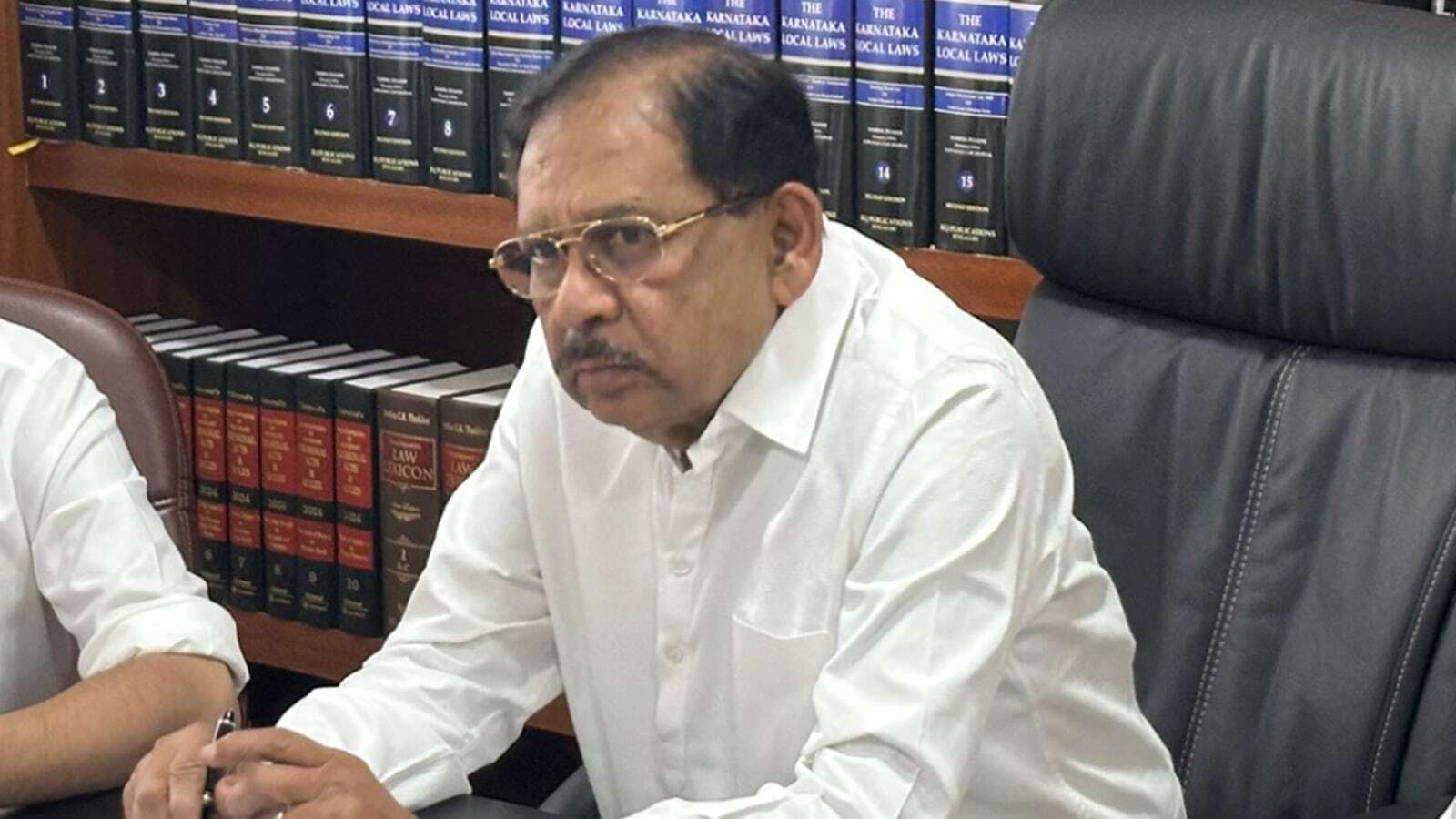
Speaking to the press, Deputy Chief Minister G Parameshwara detailed the organizational structure of the revived unions. Each student body will consist of one president, two vice-presidents, one general secretary, two joint secretaries, and a six-member executive committee. To promote gender inclusivity, the government has mandated reservations for women, specifically for one vice-president, one joint secretary, and two seats within the executive committee.
Guidelines and Restrictions
To prevent the campuses from becoming battlegrounds for political parties, the government has imposed a strict rule: candidates cannot campaign under the banner of any student organization affiliated with a political party. While individuals who are members of such organizations may contest, they must do so as independent candidates without using the branding of political groups. Furthermore, the Cabinet decided against implementing caste-based reservations for these positions.
Why This Matters
BozokMedia analysis shows that this shift is an attempt to balance democratic expression with campus security. The original ban in 1989 was a direct response to escalating violence and clashes between rival political factions on campus. By decoupling student elections from party banners, the government is testing whether student leadership can thrive on merit and campus-centric issues rather than external political agendas.
The revival of student unions is a victory for campus democracy, but its success depends entirely on the administration's ability to curb external political interference.
The initiative was first introduced during the Budget speech earlier this year, leading to the formation of a Cabinet sub-committee. The first phase of implementation will cover all degree and Pre-University (PU) colleges. Importantly, the government has left the final decision to the students; college managements are required to hold polls if students favor them, but can cancel them if there is no demand.
| Feature | Old Regime (1989-2026) | New Regime (2026 onwards) |
|---|---|---|
| Election Status | Completely Banned | Permitted (Non-Political) |
| Political Banners | N/A | Strictly Prohibited |
| Gender Reservation | N/A | Mandatory for specific posts |
Frequently Asked Questions
Q1: Can candidates use the name of a political party during the campaign?
A: No, candidates are strictly prohibited from campaigning under the banner of any student organization affiliated with a political party.
Q2: Are these elections mandatory for all colleges?
A: No, elections will be conducted only if the students favor them; otherwise, the college management can cancel the polls.