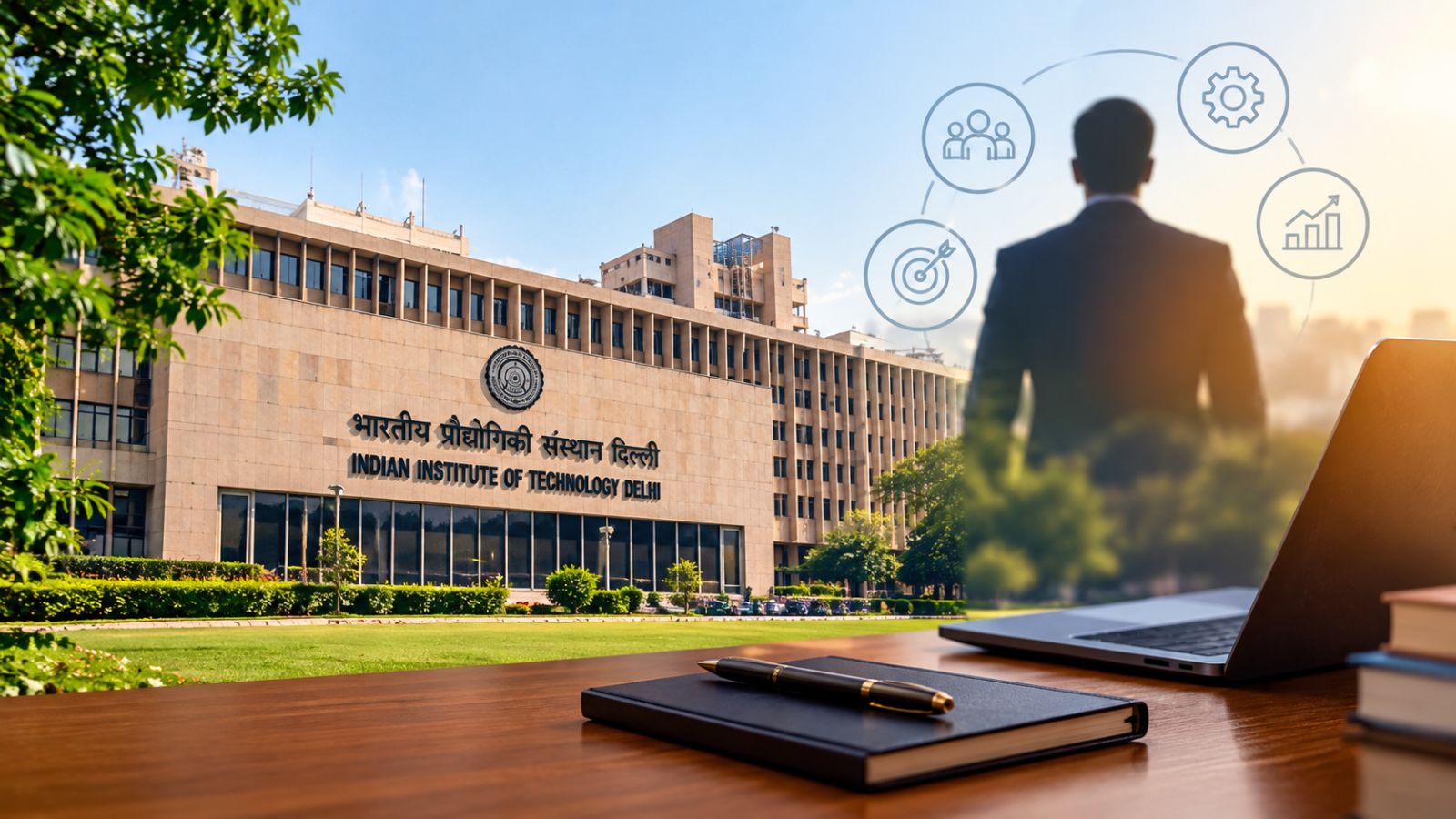
A critical analysis of how the National Education Policy 2020's focus on measurable outcomes may be stifling genuine curiosity and intellectual risk-taking in Indian higher education.
- Outcome-Based Education (OBE) risks turning learning into a mechanical exercise of meeting rubrics.
- The pressure for measurable attainment creates 'rubric-generated anxiety' among students.
- Genuine learning thrives on spontaneity and curiosity, which are often absent in rigid OBE frameworks.
- The role of the educator is shifting from a mentor to a bureaucratic facilitator of results.
The National Education Policy (NEP) 2020 has introduced a paradigm shift in Indian higher education through the implementation of Outcome-Based Education (OBE). While the framework promises employability and competency-based learning, a deeper journalistic examination reveals a troubling trend: the reduction of the intellectual journey to a set of checkboxes. When every lesson is designed to produce a measurable outcome, the 'magic' of serendipitous learning is often lost.
The core logic of OBE involves traveling backward from a desired future outcome to the present. Universities now demand that students be creative and critical thinkers, yet they simultaneously prescribe exactly how that creativity should be demonstrated. This creates a fundamental contradiction. Students are no longer asking, "What do I want to express?" but rather, "What does the rubric want me to say?" This shift transforms the student from an explorer into a strategist, optimizing their answers to secure marks rather than seeking truth.
Why This Matters
BozokMedia analysis shows that when education is reduced to 'measurable attainment,' the psychological cost is high. The fear is no longer about failing to understand a concept, but about transgressing the boundaries of a pre-defined rubric. This 'rubric-generated anxiety' kills the spirit of experimentation. If a student fears losing marks for taking an intellectual risk, they will naturally gravitate toward the safest, most mediocre path that satisfies the system's requirements.
Education should be a practice of freedom, not a production line where competencies are manufactured and checked off.
Drawing from the philosophy of bell hooks in Teaching to Transgress, it becomes evident that a progressive classroom should be a community of learners grounded in mutual respect and intellectual openness. However, the current trajectory of NEP 2020 risks turning the classroom into a corporate production floor. The human element—emotions, biases, and the unpredictability of cognitive growth—is ignored in favor of a 'clean and neat' bureaucratic rationality.
Furthermore, the role of the teacher is being diluted. Instead of being a guide who facilitates a transformative experience, the educator is becoming a manager of outcomes. This shift erodes the power dynamics necessary for genuine dialogue, replacing the poetic space of encounter with a rigid structure of assessment and documentation.
| Feature | Curiosity-Driven Learning | Outcome-Based Education (OBE) |
|---|---|---|
| Primary Goal | Discovery and Understanding | Measurable Attainment |
| Student Mindset | Exploratory & Risk-taking | Rubric-compliant & Anxious |
| Teacher Role | Mentor/Facilitator | Bureaucratic Evaluator |
| Result | Transformation of Person | Certification of Competency |
Frequently Asked Questions
Q1: What is Outcome-Based Education (OBE)?
OBE is an educational model that focuses on the end result (the 'outcome') and organizes the entire curriculum to ensure students achieve specific, measurable competencies.
Q2: How does NEP 2020 impact the teacher-student relationship?
Critics argue that by emphasizing rubrics and measurable results, the relationship shifts from one of mutual intellectual growth to one of administrative compliance.