A comprehensive deep-dive and quiz for UPSC CSE Prelims 2027 aspirants covering the mechanics of Plug-in Hybrid Electric Vehicles (PHEV) and the dangers of antibiotic-resistant Gram-negative bacteria.
- Plug-in Hybrid Electric Vehicles (PHEVs) bridge the gap between internal combustion engines and full EVs.
- Gram-negative bacteria are highly resilient pathogens capable of causing systemic infections.
- PHEVs offer longer electric ranges and external charging options compared to traditional HEVs.
For aspirants of the UPSC CSE Prelims 2027, the Science and Technology section requires a blend of static knowledge and current affairs. Recent developments in green mobility and microbiology have made topics like Plug-in Hybrid Electric Vehicles (PHEV) and Antibiotic Resistance high-priority areas for the syllabus.
Understanding Plug-in Hybrid Electric Vehicles (PHEV)
A PHEV is a sophisticated hybrid that combines an internal combustion engine (ICE) with an electric propulsion system. Unlike standard Hybrid Electric Vehicles (HEVs), which rely solely on regenerative braking and the engine to charge their small batteries, a PHEV can be plugged into an external power source.
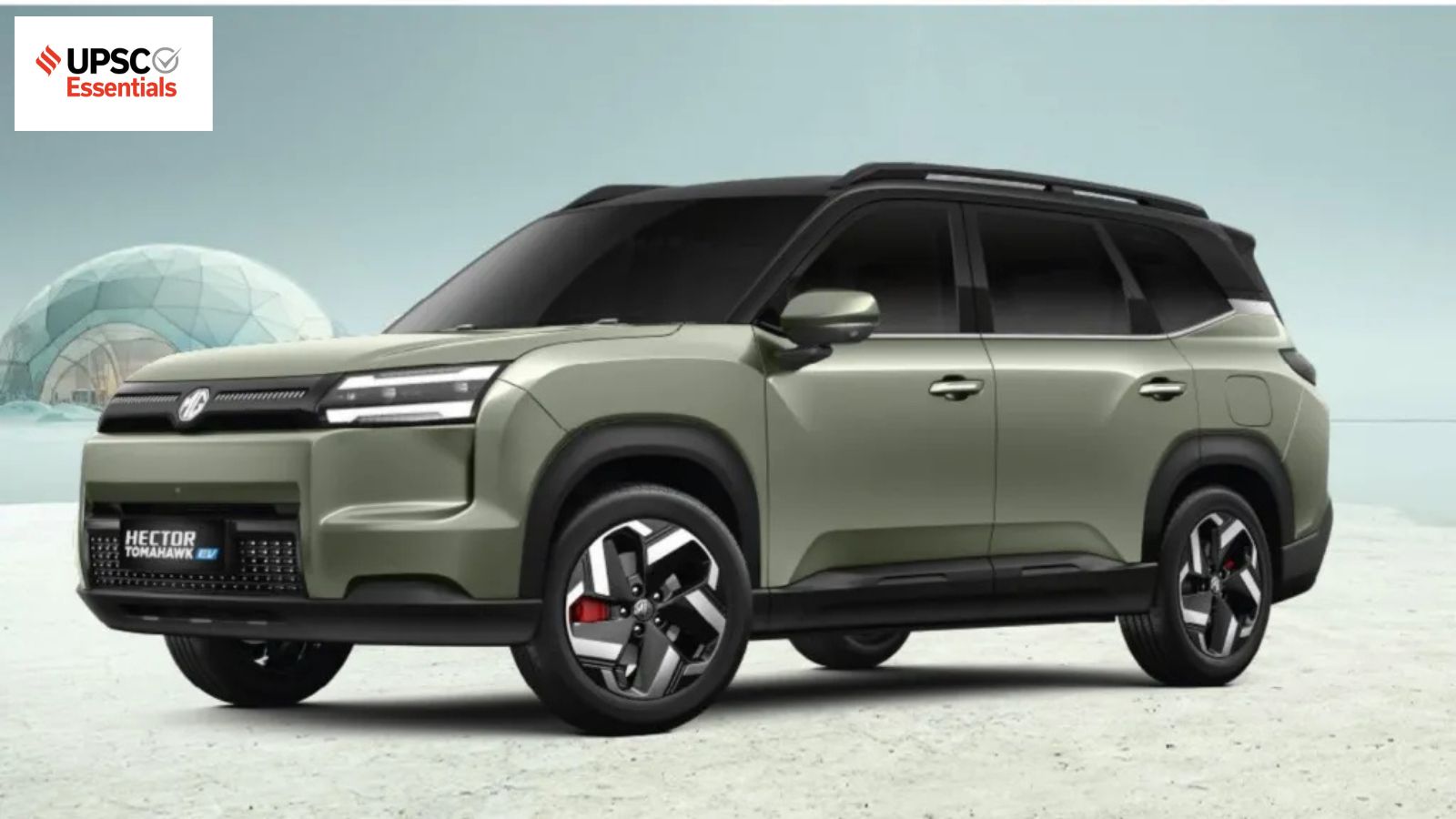
The recent launch of the Hector Tomahawk PHEV by JSW MG Motor India exemplifies the industry's push toward range efficiency. By integrating a larger battery, PHEVs allow drivers to commute on pure electricity for significant distances before the petrol/diesel engine takes over, effectively eliminating 'range anxiety'.
Why This Matters
BozokMedia analysis shows that PHEVs are critical in the global transition toward net-zero emissions. They serve as a strategic intermediate step for consumers who are not yet ready to switch to Battery Electric Vehicles (BEVs) due to inadequate charging infrastructure.
"The shift to PHEVs represents a pragmatic approach to decarbonization, balancing current infrastructure limitations with future environmental goals."
The following table highlights the core differences between HEV and PHEV technologies:
| Feature | Hybrid (HEV) | Plug-in Hybrid (PHEV) |
|---|---|---|
| Charging Method | Internal Only (Regenerative) | External Plug & Internal |
| Battery Size | Small | Large |
| Electric Range | Limited | Extended |
| Initial Cost | Moderate | Higher |
The Threat of Gram-Negative Bacteria
In the realm of microbiology, Gram-negative bacteria—including pathogens such as Klebsiella pneumoniae and Escherichia coli—pose a severe threat to global public health. These bacteria are characterized by a complex cell wall structure that acts as a barrier to many antibiotics.
Recent clinical studies in India indicate that infections caused by antibiotic-resistant Gram-negative strains are significantly more fatal and expensive to treat. These pathogens can colonize various parts of the body, including the lungs, urinary tract, and bloodstream, making them a primary concern in hospital-acquired infections.
Frequently Asked Questions
Q1: Are PHEVs completely emission-free?
A: No, they still possess an internal combustion engine, but they significantly reduce emissions compared to traditional vehicles.
Q2: Why are Gram-negative bacteria harder to treat?
A: Their outer membrane prevents many antibiotics from penetrating the cell, leading to higher rates of drug resistance.