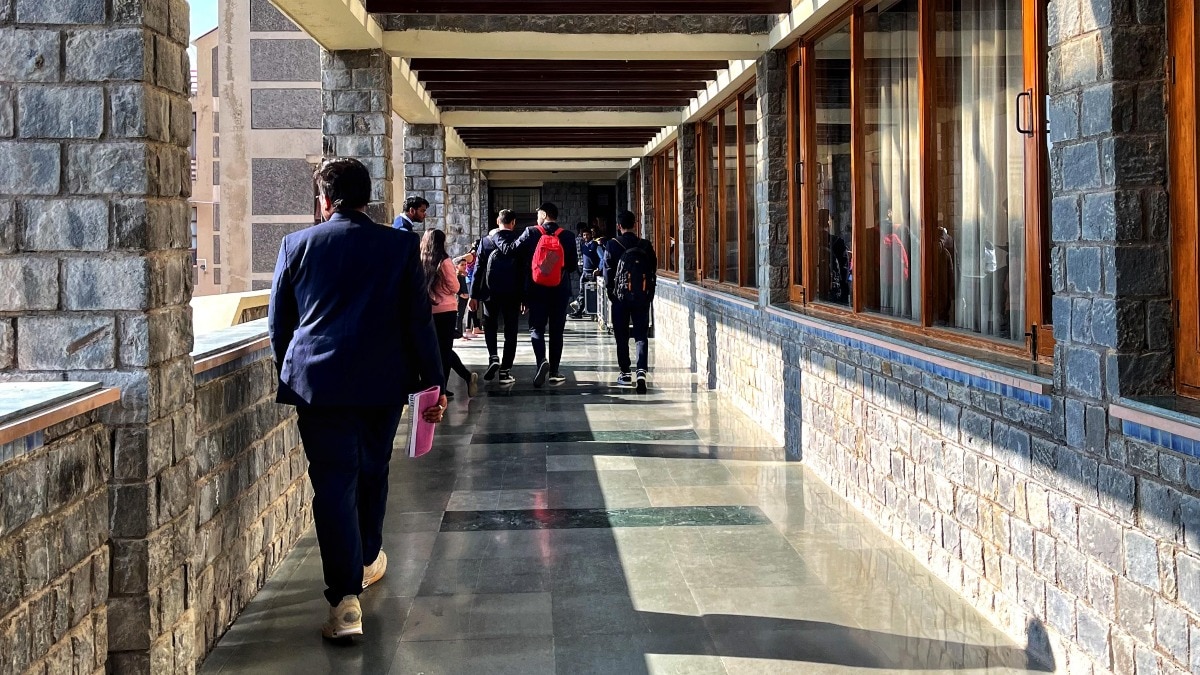
In a massive move to address safety concerns and the acute shortage of affordable housing, Delhi University is expanding its total hostel capacity to 12,754 seats across the university and its colleges.
- Total hostel capacity to increase from 7,210 to 12,754 seats.
- Expansion driven by safety concerns and student protests following incidents in Satya Niketan.
- Major projects include the Nirbhaya Residential Accommodation and an Institute of Eminence hostel.
The University of Delhi (DU) has announced an ambitious plan to drastically increase its residential infrastructure, aiming to more than double its current hostel capacity. This strategic expansion is designed to reach a total of 12,754 seats across the central university and its affiliated colleges, providing a much-needed safety net for students migrating from across India.
Currently, the university operates 3,422 seats, while its colleges provide 3,788. Under the new roadmap, the university's own capacity will rise to 7,344 seats, and the colleges will increase their share to 5,410. This growth involves the addition of 3,922 seats at the university level and 1,622 seats within various colleges.
Infrastructure Milestones
Several high-profile projects are already in the final stages of completion. A massive hostel for the Institute of Eminence with 1,450 seats is nearing completion at the Dhaka Complex. Perhaps most significantly, the university is constructing the Nirbhaya Residential Accommodation, a dedicated 1,000-seat women's hostel designed with high security standards. Additionally, a modern studio apartment complex offering 1,050 seats is under construction to cater to diverse student needs.
"The shift toward institutional housing is not just about convenience; it is a critical response to the systemic failure of the private PG ecosystem in North Campus."
Why This Matters
BozokMedia analysis shows that this expansion is not merely an administrative upgrade but a reactive measure to a growing crisis. The recent building collapse at Satya Niketan and subsequent student protests highlighted the precarious nature of private rentals. By internalizing housing, DU is attempting to regain control over student safety and affordability, reducing the reliance on unregulated private landlords who often charge exorbitant rents for substandard facilities.
The university administration has now mandated that all college principals review their current residential facilities. They have been instructed to expedite existing projects and explore the feasibility of new constructions based on available land and government schemes, ensuring that the growth is sustainable and widespread.
| Entity | Current Seats | Projected Seats | Net Increase |
|---|---|---|---|
| University (Central) | 3,422 | 7,344 | +3,922 |
| Affiliated Colleges | 3,788 | 5,410 | +1,622 |
| Total | 7,210 | 12,754 | +5,544 |
Frequently Asked Questions
Q1: Which are the major new hostels being built?
The most notable projects include the 1,450-seat Institute of Eminence hostel and the 1,000-seat Nirbhaya Residential Accommodation for women.
Q2: Why is the university expanding seats now?
The push is driven by the need for affordable housing and urgent safety concerns following structural failures in private student housing areas like Satya Niketan.


