Aspiring civil servants are diving into the complexities of India's rapid urban growth and its environmental impact. This comprehensive guide analyzes the intersection of demographic shifts and global human resource distribution for the UPSC Mains 2027.
- Rapid urban expansion in India is fundamentally altering urban environmental geography through pollution and waste.
- The demographic contrast between India's youth bulge and the aging populations of developed economies is driving new global migration trends.
- Sustainable urban planning must integrate air-quality management and waste modernization to ensure livable cities.
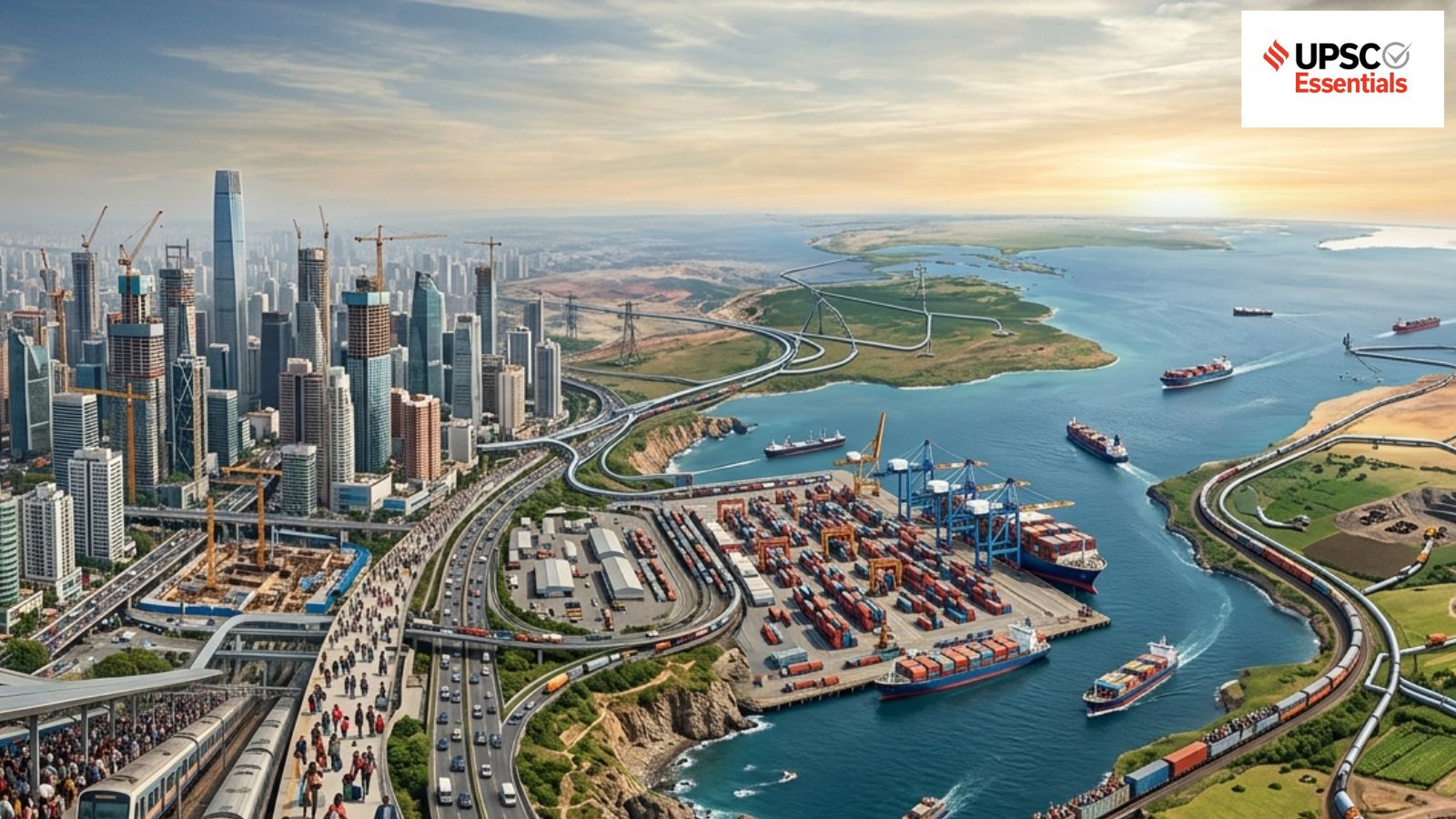
As India marches toward becoming one of the world's largest urban economies, the UPSC Civil Services Mains Exam 2027 preparation highlights a critical intersection: the relationship between spatial expansion and environmental degradation. The current discourse focuses on how the rapid transformation of rural landscapes into urban hubs is not merely a demographic shift but a geographical upheaval that affects air quality, land use, and public health.
The Environmental Cost of Urban Expansion
The expansion of built-up regions in cities like Lucknow and Mumbai has led to a significant increase in construction activity and vehicular traffic. This growth has pushed pollution beyond traditional industrial zones, creating 'urban airsheds' where emissions from one sector impact the entire metropolitan region. The resuspension of road dust, fueled by inadequate surface management and massive infrastructure projects, has become a primary source of particulate matter in cities like Delhi.
Why This Matters
BozokMedia analysis shows that the 'urban heat island' effect, combined with poor waste management, creates a vicious cycle of environmental stress. When municipal infrastructures fail to keep pace with population growth, as seen in Gurugram, solid waste issues quickly evolve into air pollution crises through open burning, proving that urban planning is now a matter of survival rather than just administration.
"The future of Indian urbanism depends not on how fast we build, but on how effectively we integrate ecological preservation with infrastructure growth."
Demographic Divergence and Global Migration
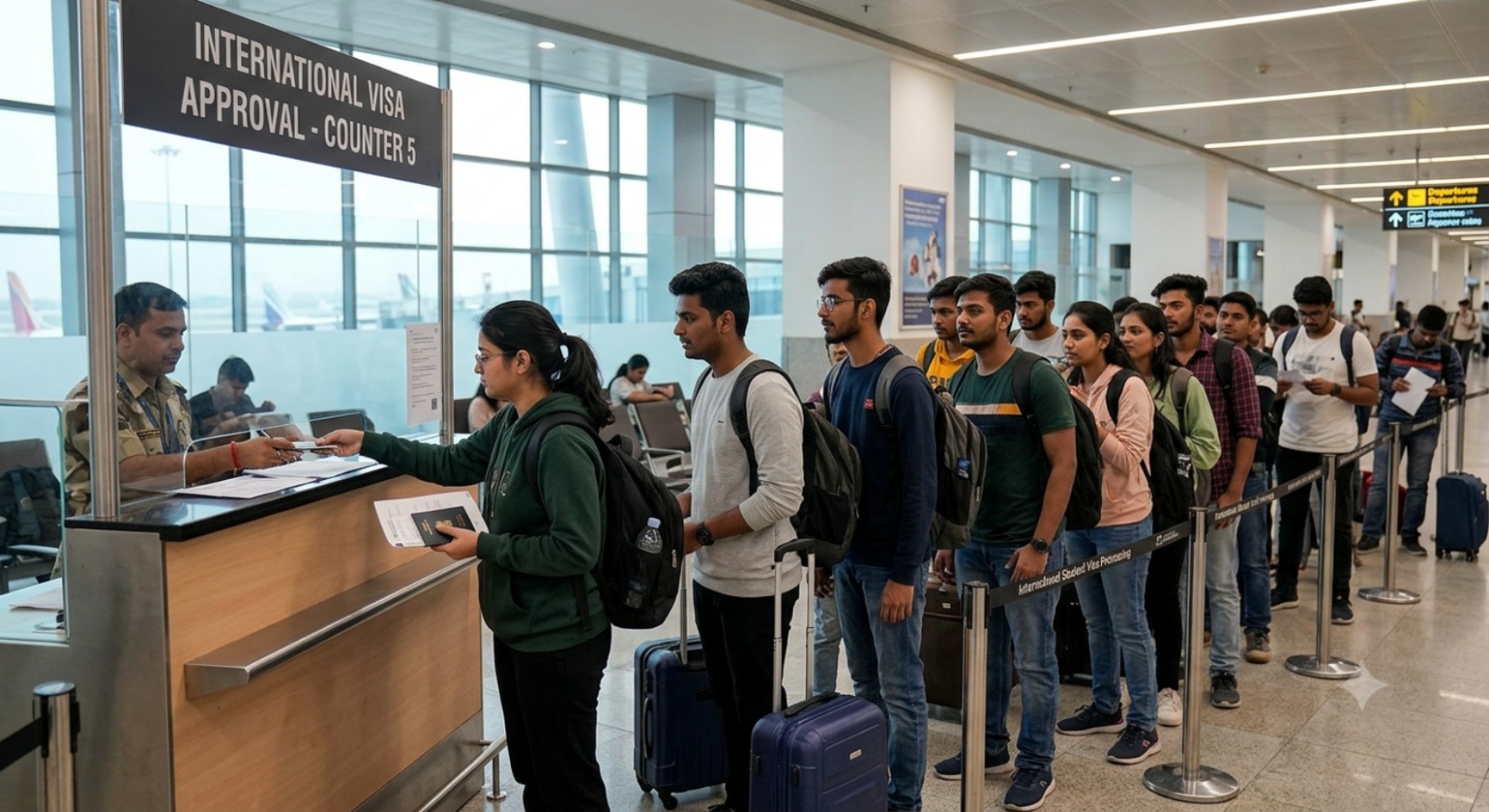
While India grapples with urban density, a broader global trend is emerging: the demographic gap. Developed economies (such as Japan, Germany, and South Korea) are facing an 'ageing crisis,' while India possesses a massive, young, and skilled workforce. This contrast is reshaping the distribution of human resources globally, turning India into a primary source of talent for ageing nations seeking to sustain their productivity.
| Feature | India's Demographic Profile | Ageing Economies (Global North) |
|---|---|---|
| Population Structure | Youth Bulge / Working Age | Aging / Shrinking Workforce |
| Economic Need | Job Creation & Urban Infrastructure | Labor Import & Healthcare Support |
| Migration Role | Primary Source of Emigrants | Primary Destination for Skilled Labor |
This shift creates a symbiotic but complex relationship where migration patterns are no longer just about 'brain drain' but are becoming strategic human resource alignments. The distribution of global talent is now dictated by the biological clock of nations.
Frequently Asked Questions
Q1: How does road dust contribute to urban air pollution?
Road dust consists of particulate matter from construction, tire wear, and soil, which is resuspended into the air by moving vehicles, significantly increasing PM10 levels.
Q2: Why are ageing economies looking toward India for migration?
Due to declining birth rates and an increasing elderly population, these nations face acute labor shortages in both healthcare and high-tech sectors, which India's young population can fill.